
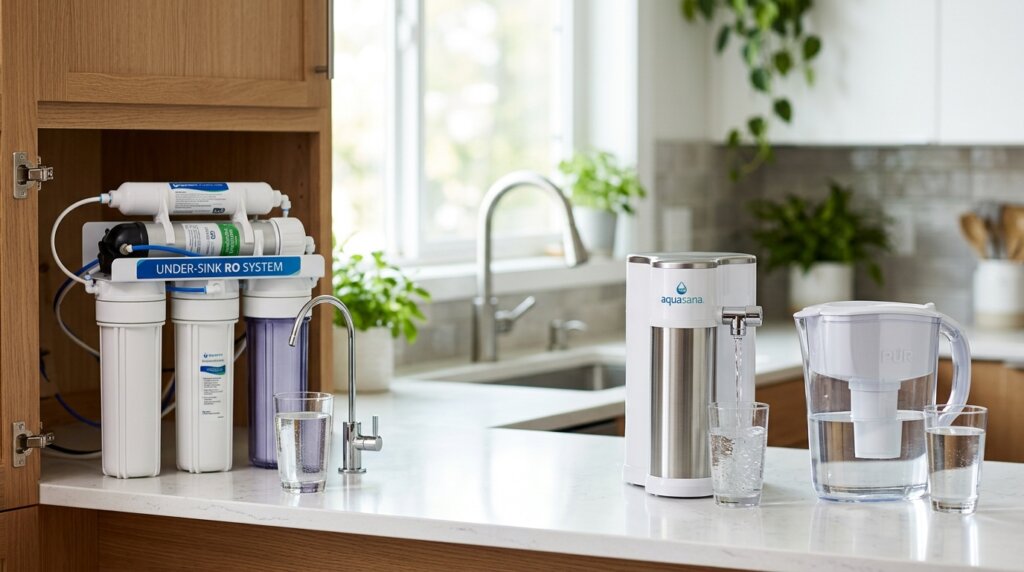
Under-Sink vs Countertop vs Pitcher: Which PFAS Filter? (2026)
Under-sink vs countertop vs pitcher — which PFAS filter is right for you? A 2026 decision guide by budget, home type, and install effort,…
Read full guide
Under-sink vs countertop vs pitcher — which PFAS filter is right for you? A 2026 decision guide by budget, home type, and install effort,…
Read full guide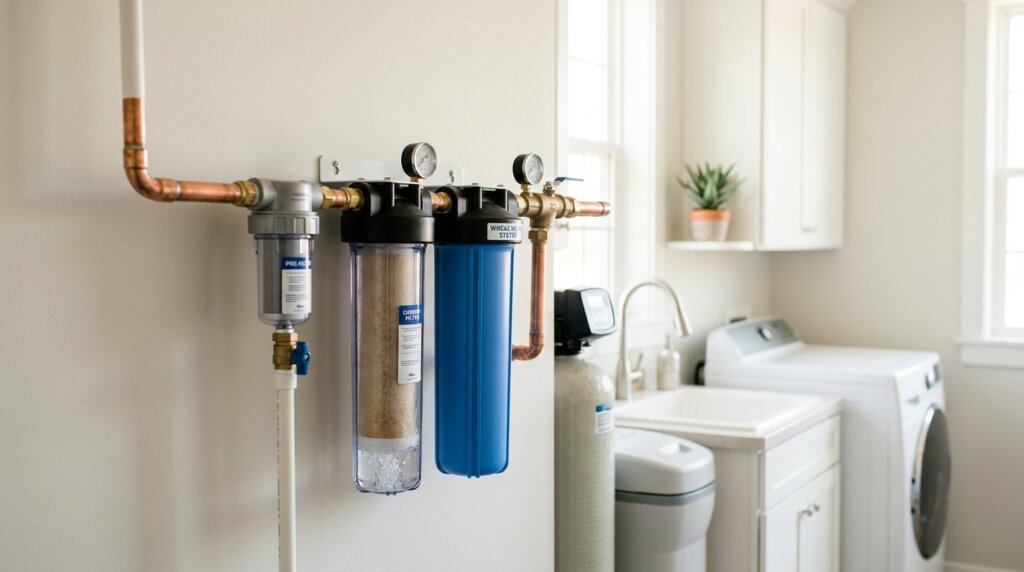
The best whole-house water filter systems of 2026 compared by type, cost, and capacity. Sediment, carbon, and combo systems from $500 to $2,000+ —…
Read full guide
The pitcher filter in your fridge probably isn't removing fluoride. Here's what actually works, and whether you even need to remove it.
Read full guide
Nitrates are a common well-water contaminant that carries a real health risk at high levels, especially for infants. Here's how to test for and…
Read full guide
Metallic taste, cloudy water, chlorine smell, sputtering faucet — find your symptom, get the likely cause, and go straight to the fix. A complete…
Read full guide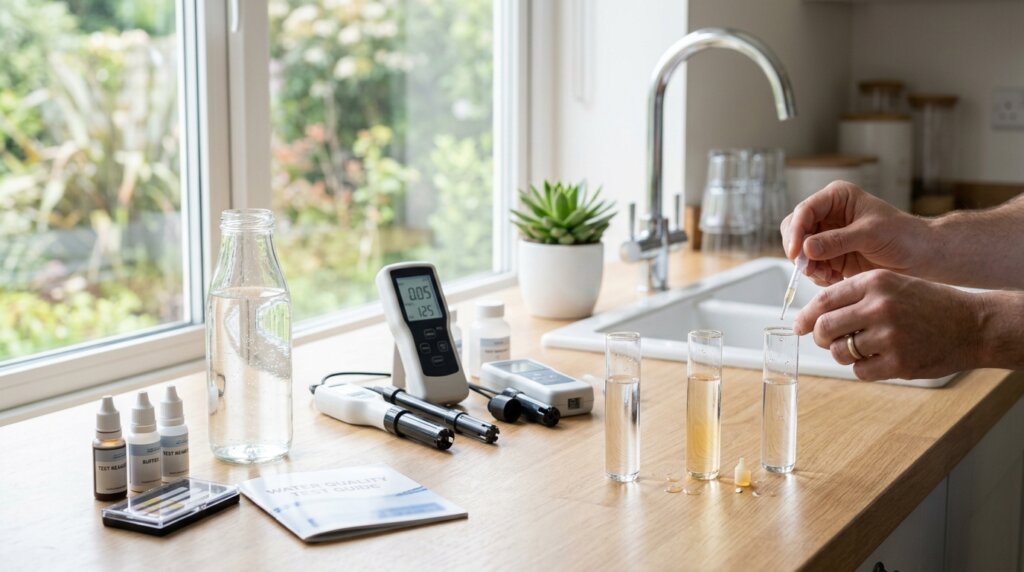
From $15 strips to $300 lab panels, 'water test kit' covers a lot. Here's how to pick the right one for your situation, whether…
Read full guide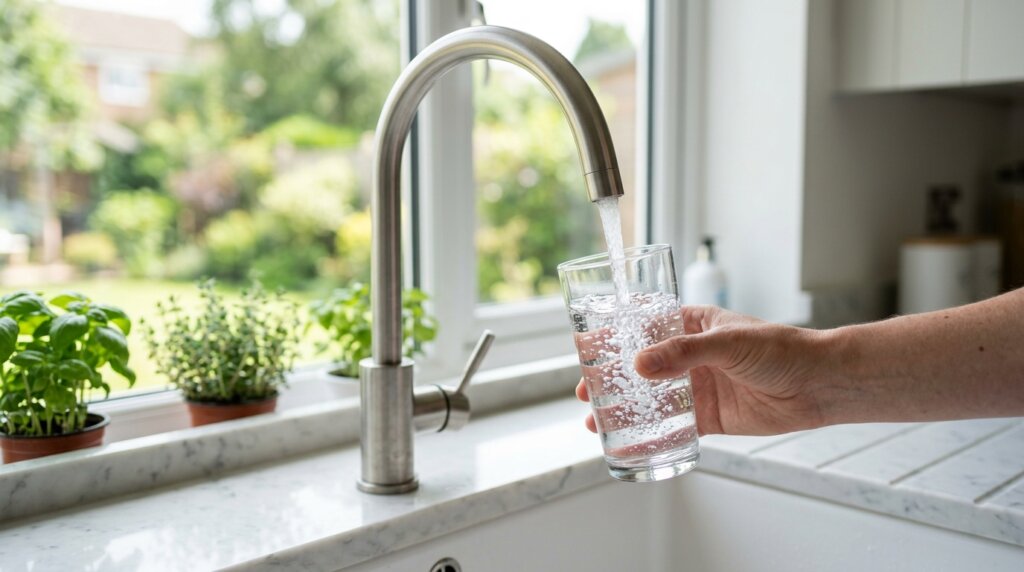
PFAS contamination isn't the same everywhere. Here's which states are most affected, why the rankings can mislead, and how to check the water where…
Read full guide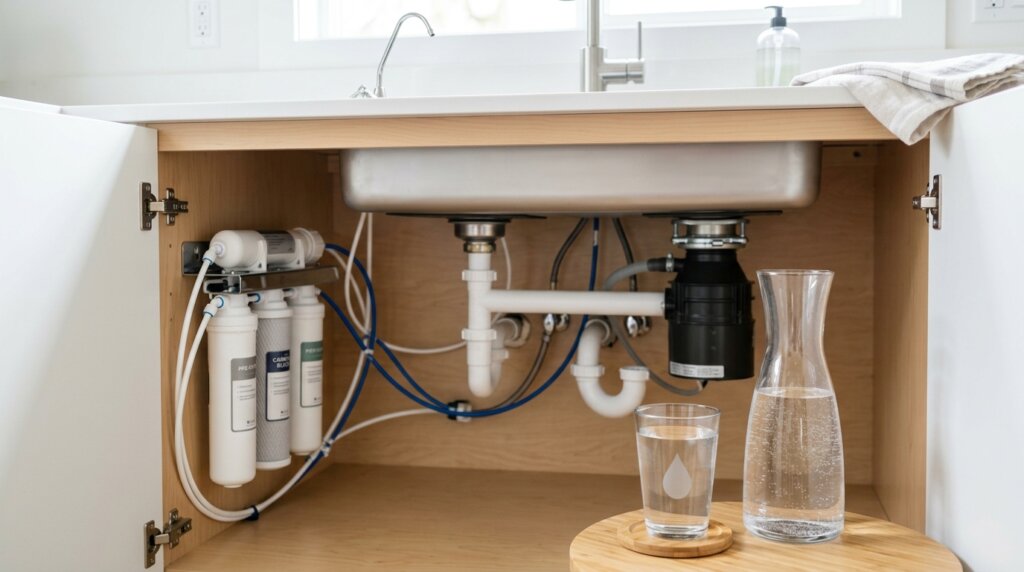
Only NSF 53 or NSF 58 certified systems actually remove PFAS. 3 certified under-sink picks compared on cost, capacity and what they remove.
Read full guide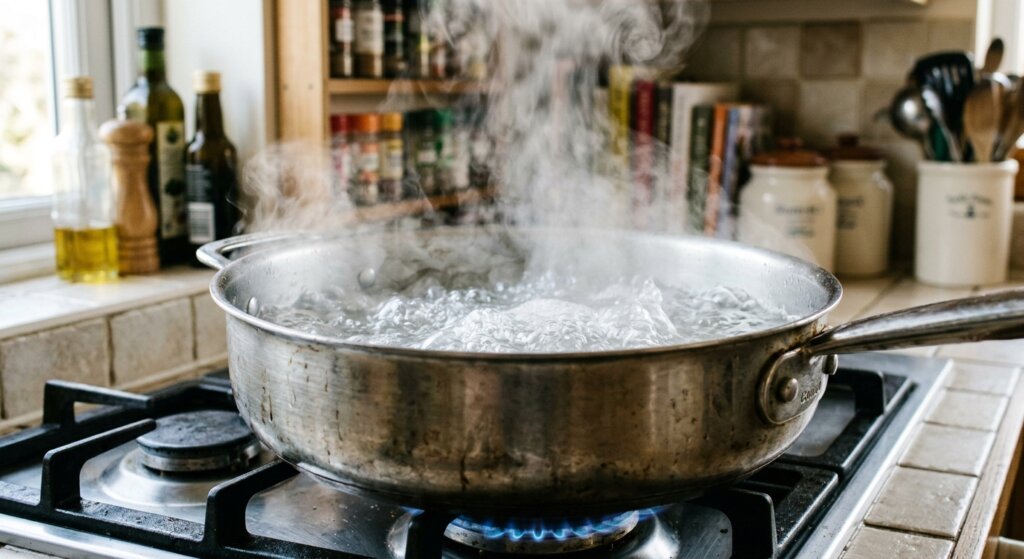
Boiling water does not remove PFAS — and it actually concentrates them. Here's the science behind the myth, and the filtration that genuinely removes…
Read full guide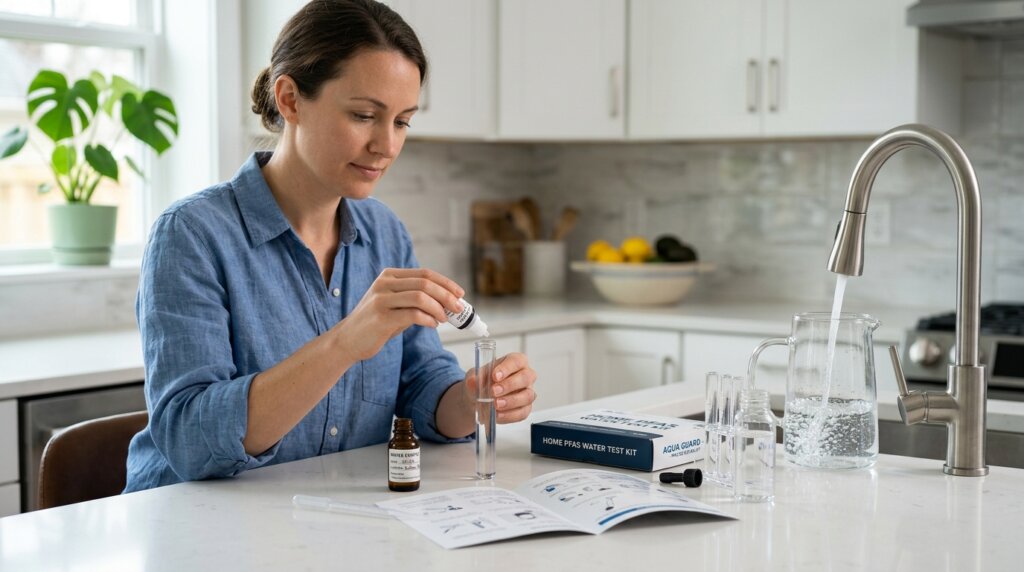
You can't test for PFAS with a strip or meter. Here's how to actually test your tap or well water for PFAS at home…
Read full guideReader favourites
Chosen on certification and tested performance — not on price.
 AquaTru Countertop RO
Removes 84 contaminants. No plumbing.
View on Amazon
Best budget pick
AquaTru Countertop RO
Removes 84 contaminants. No plumbing.
View on Amazon
Best budget pick
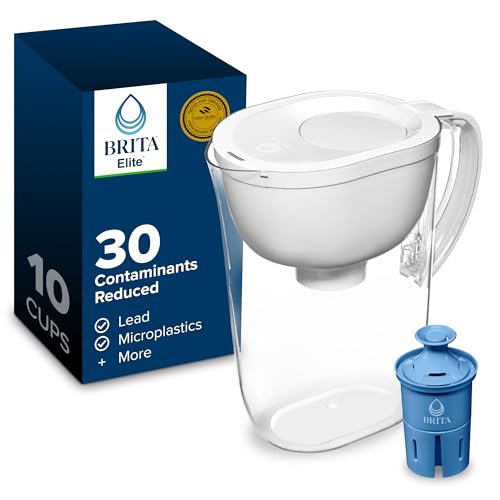 Brita Elite 10-Cup Pitcher
Reduces 99% lead. Filter lasts 6 months.
View on Amazon
Best shower filter
Brita Elite 10-Cup Pitcher
Reduces 99% lead. Filter lasts 6 months.
View on Amazon
Best shower filter
 AquaHomeGroup 20-Stage
KDF-55 + calcium sulfite. Spare included.
View on Amazon
Best for hard water
AquaHomeGroup 20-Stage
KDF-55 + calcium sulfite. Spare included.
View on Amazon
Best for hard water
 Aquasana SimplySoft 40K
NSF/ANSI 44 certified. Stops scale.
View on Amazon
Aquasana SimplySoft 40K
NSF/ANSI 44 certified. Stops scale.
View on Amazon
As an Amazon Associate we earn from qualifying purchases. This never changes which products we recommend.