
Drinking distilled water once is clearly safe. But should you drink it every day, as your main source of water?
That is a different question, and it is the one people actually worry about. Distilled water is the purest form of drinking water you can buy, with virtually all minerals removed, and that purity is exactly why daily use sparks debate. Here is what the evidence says about making distilled water your everyday drink.
What Makes Distilled Water Different
Distilled water is produced by boiling water into steam and condensing it back into liquid, leaving behind minerals, salts, and most contaminants.
The result is water with almost zero total dissolved solids — no calcium, no magnesium, no sodium to speak of. That is what separates it from spring, mineral, and ordinary tap water, all of which carry some level of dissolved minerals.
If you want the full primer on safety and myths, our guide on whether you can drink distilled water covers the basics. This article focuses specifically on the long-term, everyday question.
How Distilled Water Is Made
Understanding the process helps explain why distilled water behaves the way it does. Distillation mimics the natural water cycle in miniature: water is heated until it turns to steam, and that steam rises away from everything that cannot evaporate with it.
Minerals, salts, heavy metals, and most other dissolved solids are left behind in the boiling chamber because they do not vaporise at water’s boiling point. The pure steam is then cooled and condensed back into liquid water in a separate container.
The outcome is water that is exceptionally pure — typically removing the vast majority of dissolved minerals and many contaminants in one step. This is why distilled water is used in laboratories, medical equipment, and appliances where mineral buildup would cause problems.
It also explains the trade-off at the heart of this article: the same process that removes unwanted contaminants also removes the beneficial calcium and magnesium that other waters provide. Purity and mineral content move in opposite directions.
Is It Safe to Drink Distilled Water Every Day?
For a healthy adult eating a normal, balanced diet, drinking distilled water daily is generally safe. The minerals you would otherwise get from water — mainly calcium and magnesium — make up only a small fraction of your total intake. The vast majority comes from food.
So removing minerals from your water does not, on its own, create a deficiency in someone who eats well. The water is doing its primary job — hydration — perfectly well.
The concern that distilled water “leaches” minerals out of your body is largely overstated for ordinary drinking. Your body tightly regulates its mineral balance, and a glass of mineral-free water does not strip electrolytes from your tissues.
The real-world risk only becomes meaningful in specific situations, which is where the nuance matters and where blanket “distilled water is dangerous” claims fall apart.
When Daily Distilled Water Could Be a Problem
The picture changes if water is one of your few mineral sources, or if your diet is already low in key minerals. Consider these scenarios:
- A poor or restricted diet that is low in calcium and magnesium to begin with. Here, removing the small contribution from water matters more.
- Very high fluid intake in hot climates or during intense exercise, where you lose electrolytes through sweat and replace them only with mineral-free water.
- Specific medical conditions affecting electrolyte balance, where any change to mineral intake should be discussed with a doctor.
The Taste Factor
Many people find distilled water tastes flat or “empty.” That is not your imagination — the minerals removed during distillation are exactly what give water its characteristic taste.
If you switch to daily distilled water and find yourself drinking less because you dislike the taste, that mild dehydration is a more immediate downside than any mineral concern. Drinking enough water matters more than which type, so taste is not a trivial issue.
The good news is that taste is easy to fix. A squeeze of lemon, a slice of cucumber, or a tiny pinch of mineral-rich salt restores flavour and, in the case of salt, adds back a trace of the very minerals distillation removed.
Who Actually Benefits From Daily Distilled Water?
Distilled water has clear advantages in certain cases:
- People in areas with heavily contaminated tap water, where purity outweighs the loss of minerals
- Anyone advised to limit specific minerals or sodium for a medical reason
- Households using it for appliances, CPAP machines, or specific health devices that benefit from mineral-free water
If your main goal is removing contaminants rather than chasing zero minerals, a good home filter may serve you better while keeping some beneficial minerals. Our roundup of the best water filters for home compares the options, and our guide to the best water to drink puts distilled water alongside every other type.
How to Drink Distilled Water Daily Without Downsides
If you prefer distilled water, a few habits keep it sensible:
- Eat a balanced diet with mineral-rich foods like leafy greens, dairy, nuts, and legumes, so water is not your mineral source.
- Replace electrolytes when you sweat hard. If you exercise intensely or sweat heavily, top up through food or an electrolyte drink, not just plain distilled water.
- Consider alternating distilled water with mineral or filtered water if you like the purity but want some minerals back.
Distilled vs Filtered, Spring, and Mineral Water
It helps to see where distilled water sits against the everyday alternatives, because the daily-drinking decision is really a choice between these.
Spring and mineral water sit at the opposite end from distilled — they carry natural calcium, magnesium, and other minerals, adding small nutritional value and a fuller taste.
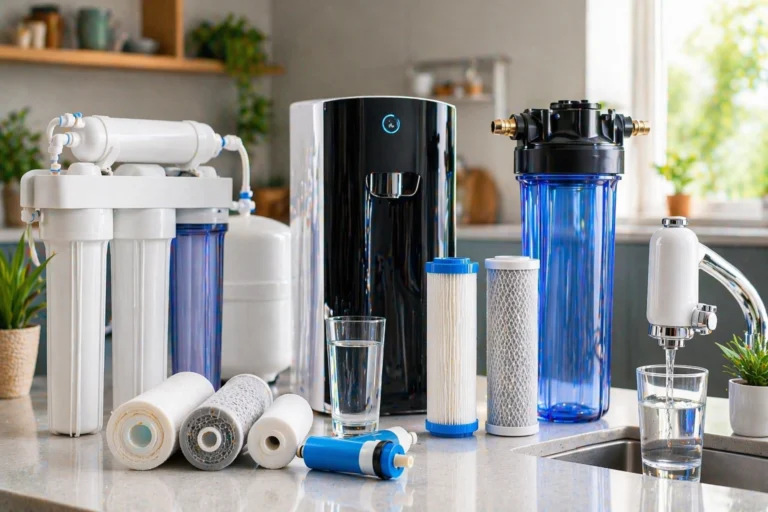
Filtered tap water (including reverse osmosis with a remineralisation stage) lands in the middle: it removes many contaminants while keeping or restoring some minerals.
Distilled water is the purest of all, with essentially nothing left but H₂O. That purity is a genuine advantage when contamination is your worry, and a mild drawback when minerals are.
| Water Type | Mineral Content | Best For |
|---|---|---|
| Distilled | Virtually none | Maximum purity, appliances, contamination concerns |
| Reverse osmosis | Very low (unless remineralised) | High-purity drinking water at home |
| Filtered tap | Moderate (some kept) | Everyday balance of clean & mineral |
| Spring | Natural, moderate | Everyday drinking with natural minerals |
| Mineral | Natural, can be high | Added calcium & magnesium intake |
If your tap water is safe and you want minerals kept, filtered water is often the easiest everyday choice. If contamination is the concern, distilled or reverse osmosis gives you the cleanest result. The “best” daily water depends far more on your local water and diet than on any single type being superior.
Other Everyday Uses for Distilled Water
Even if you decide distilled water is not your everyday drink, it is worth keeping some at home, because its purity makes it the best choice for several household and health uses.
- Appliances that heat water: kettles, steam irons, and humidifiers last longer with distilled water because there are no minerals to form limescale.
- CPAP machines and humidifiers: distilled water is widely recommended to avoid mineral buildup and keep the device clean.
- Car batteries and cooling systems: the absence of minerals prevents deposits that can shorten component life.
- Aquariums and certain plants: some sensitive setups benefit from starting with mineral-free water and adding controlled amounts back.
So distilled water has a genuine place in most homes, even for people who choose mineral or filtered water for daily drinking. The same purity that sparks debate for drinking is a clear advantage for these uses.
The pH and Acidity Question
One of the most repeated worries about distilled water is that it is “acidic” and therefore bad for you. This deserves a clear, accurate answer because it is widely misunderstood.
Freshly distilled water is essentially neutral, with a pH near 7. However, once it is exposed to air, it absorbs carbon dioxide, which forms a tiny amount of carbonic acid and nudges the pH slightly below neutral. This is normal and happens to any pure water left open to the atmosphere.
Crucially, this mild acidity is harmless. The amount of acid involved is minuscule, and your body’s pH is tightly regulated by your lungs and kidneys regardless of what you drink. No ordinary beverage meaningfully changes your blood pH; the body simply does not allow it.
So the “acidic distilled water” concern, while technically rooted in a real chemistry detail, has no practical health consequence for drinking. It is a good example of a fact that sounds alarming but means very little in context.
Cost, Convenience, and Sustainability
Beyond health, the everyday practicality of distilled water is worth weighing, because it influences whether daily use is sensible for you.
Buying distilled water by the bottle is more expensive over time than filtering your own tap water, and it generates plastic waste if you rely on single-use bottles. For daily drinking, that cost and waste add up quickly compared with a home filter jug or under-sink system.
Making distilled water at home with a countertop distiller removes the plastic problem but uses a fair amount of energy, since boiling water repeatedly is not efficient. It is best reserved for when you specifically need mineral-free water rather than as your only water source.
For most households, the practical verdict is that filtered tap water is cheaper, greener, and keeps some beneficial minerals, while distilled water is best bought or made in smaller amounts for the uses where its purity genuinely matters.
The “Sole Source” Distinction Most Articles Miss
Much of the fear around daily distilled water comes from studies and guidance about demineralised water as a sole source over long periods — often in contexts where water genuinely was the main mineral contributor.
In a modern balanced diet, water is a minor mineral contributor. That single fact reframes most of the concern: if your food is doing the heavy lifting on calcium and magnesium, the type of water you drink has limited nutritional impact either way.
So the honest takeaway is not “distilled water is dangerous” or “distilled water is best.” It is that the answer depends on your whole diet, not on the water in isolation. Treat the water choice as one small input among many, and the daily-distilled question loses most of its drama.
Should You Switch to Daily Distilled Water?
If you are weighing the switch, a few simple questions cut through the noise and point you to the right answer for your situation.
- Do you eat a balanced diet? If yes, distilled water’s lack of minerals is unlikely to matter, and daily use is fine. If your diet is poor, address that first.
- Is your tap water contaminated? If contamination is your real concern, distilled or reverse osmosis solves it — but a good filter may do the job while keeping minerals.
- Do you sweat heavily? If you lose a lot of fluid through exercise or heat, make sure you replace electrolytes through food or drinks, not just plain distilled water.
- Do you dislike the taste? If flat taste makes you drink less, a mineral or filtered water you enjoy is healthier than a “purer” water you avoid.
Run through these and the decision usually makes itself. For most people with a normal diet and safe tap water, there is no strong reason to switch entirely to distilled — but no strong reason to fear it either.
Myths vs Facts About Distilled Water
- Myth: “Distilled water pulls minerals out of your bones.” Fact: drinking mineral-free water does not strip minerals from your body; your mineral balance is governed by diet and kidney function, not the water’s purity.
- Myth: “Distilled water is acidic and harmful.” Fact: distilled water can sit slightly below neutral pH after absorbing carbon dioxide from air, but this is harmless and quickly neutralised in the body.
- Myth: “You’ll get sick drinking distilled water.” Fact: distilled water is used in medical and laboratory settings precisely because it is clean and safe; healthy people can drink it without harm.
- Myth: “Distilled water detoxifies you.” Fact: there is no special detox effect; it hydrates like any water, simply without added minerals.
Frequently Asked Questions
Is it bad to drink distilled water every day?
For a healthy adult with a balanced diet, drinking distilled water daily is generally safe. The minerals it lacks are a minor part of total intake compared with food. It only becomes a concern if your diet is already mineral-poor or water is a major mineral source for you.
Does distilled water remove minerals from your body?
Not in any meaningful way for ordinary drinking. Your body regulates its own mineral balance, and drinking mineral-free water does not strip electrolytes from your tissues. Mineral balance is governed mainly by diet and kidney function.
Why does distilled water taste flat?
The minerals removed during distillation are what give water its taste. Without them, distilled water tastes flat or empty to many people. Adding a pinch of mineral-rich salt or a slice of fruit can improve the taste if it bothers you.
Is distilled or mineral water healthier for daily use?
For most people eating a balanced diet, both are fine. Mineral water adds small amounts of calcium and magnesium, while distilled water offers maximum purity. The healthier choice depends on your diet, local water quality, and personal preference.
Can babies drink distilled water?
Distilled water is sometimes recommended for making infant formula because of its purity, but you should follow your pediatrician’s guidance. Babies have specific needs, so any decision about their water should be made with a doctor rather than as a general rule.
Will distilled water dehydrate me?
No. Distilled water hydrates just like any other water. The only practical risk is that some people drink less of it because they dislike the flat taste, which can lead to mild under-hydration — a taste problem, not a property of the water itself.
Is distilled water acidic?
Pure distilled water is neutral, but it can become slightly acidic after absorbing carbon dioxide from the air. This mild acidity is harmless and has no meaningful effect on your body’s pH, which is tightly regulated regardless of what you drink.
Can I make distilled water at home?
Yes. You can distil water at home by boiling it and collecting the condensed steam, or with a countertop distiller. It is slower and more energy-intensive than buying it, but produces the same mineral-free result for drinking or appliance use.
Related Guides
- Can You Drink Distilled Water? Safety, Benefits & Myths
- What Is the Best Water to Drink? Ranked Guide
- Best Water Filters for Home in 2026
- Best Reverse Osmosis Systems for Home 2026
References & Sources
- World Health Organization — Nutrients in Drinking Water
- NIH Office of Dietary Supplements — Calcium Fact Sheet
- NIH Office of Dietary Supplements — Magnesium Fact Sheet
The Bottom Line
Drinking distilled water every day is safe for most healthy people who eat a balanced diet, because food — not water — supplies the bulk of your minerals. The cautions apply mainly to those with mineral-poor diets, very high fluid loss, or specific medical conditions.
If you like the purity, pair it with mineral-rich food and replace electrolytes when you sweat hard. And if you mainly want clean water with some minerals retained, a quality filter may suit you better than distillation — same clean result, without stripping everything out.