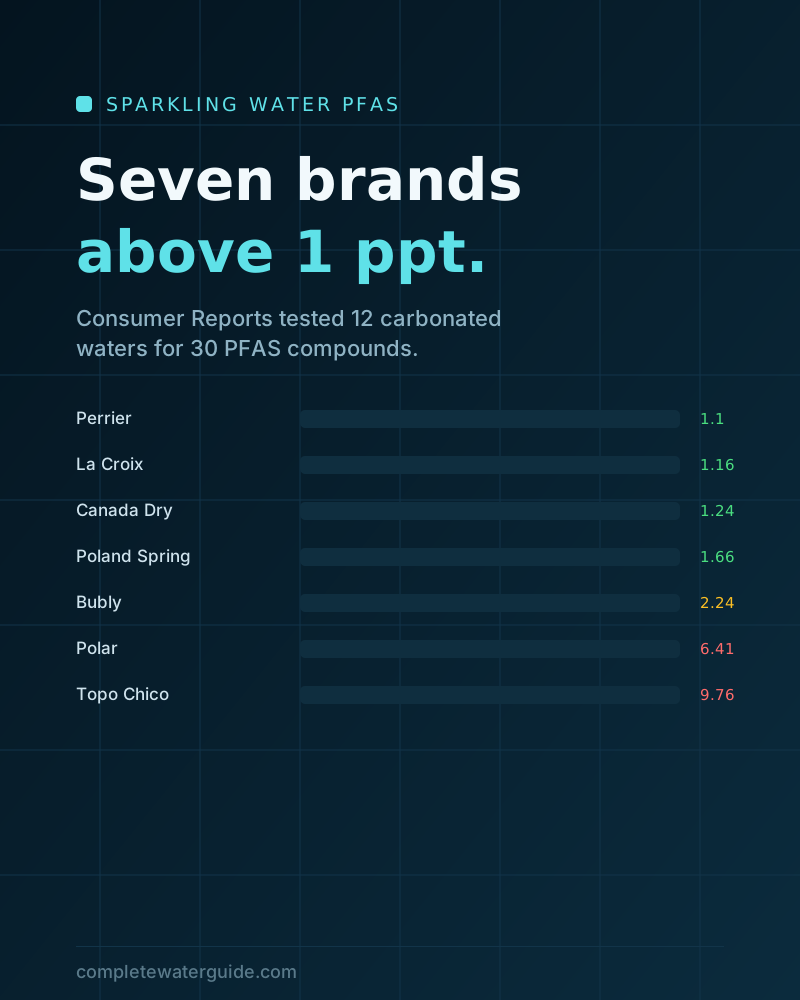
Key Takeaway: The healthiest sparkling water for daily drinking is one with undetectable or minimal PFAS (“forever chemicals”), no added sugars, and transparent source monitoring. In independent lab testing, San Pellegrino, Gerolsteiner, and Liquid Death tested with lowest or non-detectable PFAS, while brands like Perrier (1.1 ppt) and La Croix (1.16 ppt) tested just slightly above the 1 ppt precautionary guideline.
The healthiest sparkling water is the one with the lowest contaminant exposure, and there are two key datasets that measured PFAS across carbonated brands: Consumer Reports’ testing of 47 bottled waters and the newer 2025 independent EPA Method 1633 analysis of sparkling waters.
Most internet rankings grade sparkling water on marketing buzzwords or arbitrary flavor scores. This guide focuses strictly on published lab data: PFAS levels, natural minerality, sodium content, and packaging safety.
Quick Summary: Cleanest Sparkling Waters Ranked
- Cleanest / Non-Detect Brands (2025 Testing): Gerolsteiner, Liquid Death, poppi, Mountain Valley, Mineragua, and home-carbonated filtered tap water (e.g., SodaStream with certified filtration).
- Lowest Tested with Exact Figures: San Pellegrino (0.31–0.81 ppt), Perrier (1.06–1.1 ppt), and La Croix (0.94–1.16 ppt).
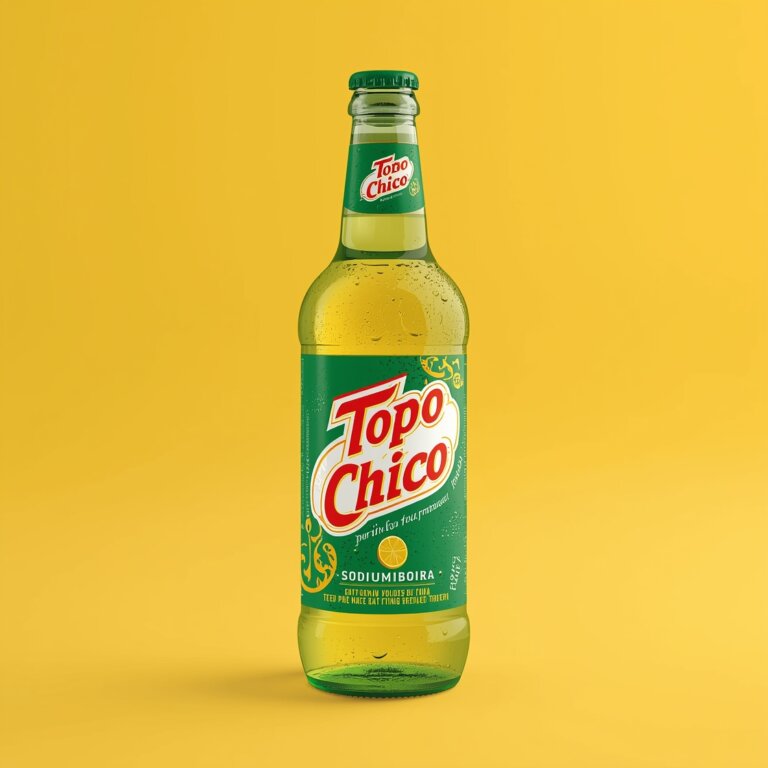
- Retested & Improved: Topo Chico dropped from 9.76 ppt down to 1.41–3.9 ppt after implementing advanced reverse osmosis filtration.
- Higher Readings: Spindrift (2.62 ppt 6:2FTS in 2025 testing), Polar Seltzer (6.41 ppt in 2020 testing).
Which Sparkling Water Has the Least PFAS?
Independent testing reveals significant differences between carbonated brands. Here is the verified lab data from Consumer Reports (total PFAS) and the 2025 testing round (EPA Method 1633):
| Brand | PFAS Level | Water Type & Packaging | Health Verdict |
|---|---|---|---|
| Gerolsteiner | Non-Detect | Natural Mineral (Glass) | Exceptional: High minerals (calcium & magnesium), glass packaging. |
| Liquid Death | Non-Detect | Mountain Water (Can) | Clean: Tested clean under 40-compound EPA 1633 screening. |
| San Pellegrino | 0.31 – 0.81 ppt | Natural Mineral (Glass/Can) | Safest named: Consistently low across both testing rounds. |
| Perrier | 1.06 – 1.10 ppt | Natural Mineral (Glass/Can) | Very Low: Well below EPA 4.0 ppt tap limit; slight mineral content. |
| La Croix | 0.94 – 1.16 ppt | Seltzer (Can) | Statistically level with Perrier; negligible difference. |
| Poland Spring Sparkling | 1.66 ppt | Spring Water (Bottle/Can) | Moderate: Slightly above 1 ppt precautionary benchmark. |
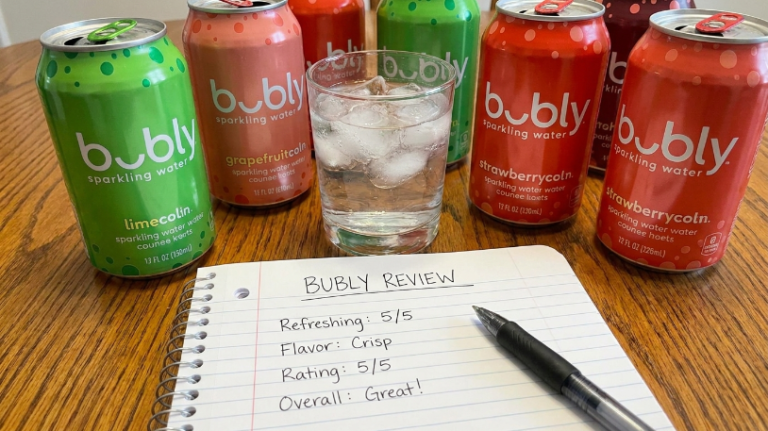
| Bubly | 2.24 ppt | Seltzer (Can) | Moderate: Below federal drinking water limits, but detectable. |
| Topo Chico | 1.41 – 3.9 ppt | Mineral Water (Glass) | Improved: Reduced by over 60% after filtration upgrades. |
| Polar Seltzer | 6.41 ppt | Seltzer (Can) | High: Exceeds the EPA’s 4.0 ppt public tap water limit. |
What Happened with Topo Chico?
In Consumer Reports’ initial 2020 testing, Topo Chico tested highest at 9.76 ppt. Following those findings, parent company Coca-Cola upgraded its manufacturing filtration system. Subsequent retesting by Consumer Reports averaged 3.9 ppt, and the 2025 EPA Method 1633 round recorded 1.408 ppt for 6:2FTS.
This drop demonstrates that brand contamination is not permanent: when bottlers add multi-barrier filtration (such as granular activated carbon or reverse osmosis), PFAS levels can be reduced substantially.
Is There a Legal PFAS Limit for Sparkling Water?
Surprisingly, no federal legal limit currently applies to bottled sparkling water.
In April 2024, the EPA finalized a landmark Maximum Contaminant Level (MCL) of 4.0 ppt for PFOA and PFOS. However, EPA regulations apply exclusively to public tap water systems. Bottled water is regulated separately by the FDA, which has not enacted enforceable PFAS limits for bottled beverages.
| Authority | Standard / Guideline | Applies To | Enforceable? |
|---|---|---|---|
| EPA (Drinking Water) | 4.0 ppt (PFOA / PFOS) | Municipal Tap Water | Yes |
| IBWA (Industry Body) | 5 ppt single / 10 ppt combined | Member Bottlers | Voluntary Trade Rule |
| Health Scientists / EWG | 1.0 ppt total PFAS | All Drinking Water | Precautionary Target |
| FDA | No Enforceable Limit | Bottled Water | No Standard Set |
Why Do Sparkling Waters Tend to Test Higher Than Still Water?
In Consumer Reports’ testing, only 2 out of 35 still waters exceeded 1 ppt (Deer Park at 1.21 ppt and Tourmaline Spring at 4.64 ppt). In contrast, 7 out of 12 sparkling waters exceeded 1 ppt. Two technical factors contribute to this disparity:
- Source Aquifers: Natural sparkling waters are often sourced from deep mineral springs that are rich in dissolved solids, which can carry legacy chemicals if nearby groundwater recharge zones were impacted.
- Carbon Dioxide & Industrial Piping: Industrial food-grade carbon dioxide or the pressurized carbonation piping lines can occasionally introduce trace lubricants or fluoropolymer seals during bottling.
What About Sodium, Dental Enamel, and Daily Intake?
Beyond PFAS, consumers evaluating daily sparkling water should consider:
- Sodium Content: Seltzers (like La Croix and Bubly) contain 0 mg sodium. True mineral waters (like Gerolsteiner at ~118 mg/L and Topo Chico) contain naturally occurring sodium. If you are on a sodium-restricted diet, check the label.
- Dental Enamel & Carbonic Acid: Carbonation naturally creates mild carbonic acid (pH 4.5–5.5). While unflavored sparkling water is far less erosive than sugary soda or citrus juice, sipping it continuously throughout the day can soften enamel. Drinking it alongside meals is best.
- Packaging Leaching: Glass bottles eliminate microplastic shedding and can-lining bisphenols completely. Aluminum cans are lined with epoxy or polyester polymers, which are BPA-NI (non-intent) in modern brands, but glass remains the purest vessel.
Best Healthiest Sparkling Waters to Buy
Based on published lab verifications and packaging safety, these are the standout options:
Gerolsteiner Sparkling
Non-detectable PFAS in 2025 testing. High in essential minerals (348 mg calcium, 108 mg magnesium per liter) in pure glass bottles.
San Pellegrino (Glass)
Tested at 0.31 ppt in Consumer Reports testing and 0.81 ppt in 2025. Delicate effervescence with natural Italian mineral spring balance.
La Croix Sparkling Water
Tested between 0.94 and 1.16 ppt, well below federal drinking water limits. 0 calories, 0 sodium, and 0 artificial sweeteners.
SodaStream + Home RO
Carbonate your own reverse osmosis filtered water at home. Eliminates single-use packaging and guarantees verified zero PFAS.
The Bottom Line
If safety and purity are your goals, Gerolsteiner, Liquid Death, and San Pellegrino in glass are the top choices with proven clean records. For unflavored everyday seltzers, La Croix and Perrier sit right near 1 ppt—safe within tap water limits. Avoid high-testing brands like Polar (6.41 ppt) if you are minimizing PFAS, and consider DIY carbonation using a verified reverse osmosis filter for true peace of mind.
Frequently Asked Questions
What is the healthiest sparkling water?
Based on independent lab testing for PFAS and chemical purity, Gerolsteiner and Liquid Death tested non-detectable under EPA Method 1633, while San Pellegrino tested lowest among named mineral waters at 0.31–0.81 ppt. Unflavored sparkling waters in glass containers offer the cleanest profiles without microplastic shedding.
Which sparkling water has the most PFAS?
In original Consumer Reports testing, Topo Chico tested highest at 9.76 ppt, though Coca-Cola subsequently upgraded its filtration, cutting levels to 1.4–3.9 ppt. In 2020 testing, Polar Natural Seltzer tested at 6.41 ppt, which exceeds the EPA’s 4.0 ppt public tap water limit.
Is La Croix bad for you?
No. La Croix measured between 0.94 and 1.16 ppt of total PFAS across multiple independent tests. This is far below the EPA’s 4.0 ppt tap water limit. It contains zero calories, zero sodium, and zero artificial sweeteners.
Is sparkling water bad for your teeth or bones?
Plain sparkling water is mildly acidic due to carbonic acid, but research from the American Dental Association shows it is roughly 100 times less erosive than sugary soft drinks. It does not leach calcium from bones; claims linking carbonation to osteoporosis stem from phosphoric acid in colas, not carbonated water. We look at the bone-density research in full in is sparkling water bad for your bones.
Does Spindrift have PFAS?
In 2020 Consumer Reports testing, Spindrift tested at just 0.19 ppt total PFAS. In a 2025 test evaluating 6:2FTS under EPA Method 1633, Spindrift Grapefruit measured 2.62 ppt. Both levels are within federal safety thresholds, though it demonstrates that batch, flavor, and harvest differences affect readings.