
01
LaCroix (La Croix)
Light carbonation, zero sweetener, wide flavors (Key Lime, Grapefruit) for all-day sipping.
Honest, in-depth guide to sparkling water. Compare 18+ brands, learn the difference between seltzer and club soda, find out if it's good for you, and decide whether a home maker is worth it.
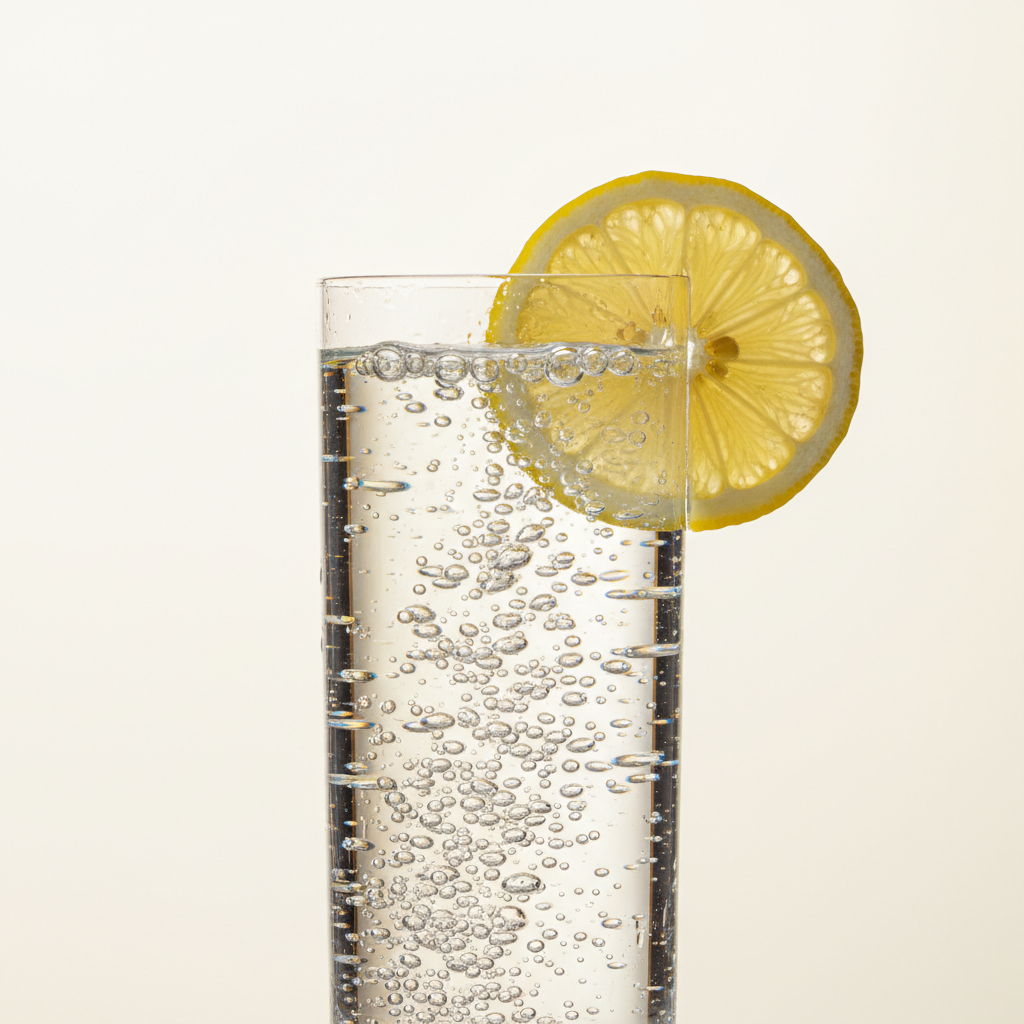
One-line takes on 18+ brands you'll actually find at the store. No paid placements.
Light carbonation, zero sweetener, wide flavors (Key Lime, Grapefruit) for all-day sipping.
Fine bubbles, balanced minerals; smooth with meals and cheese boards.
Botanical, adventurous flavors; unsweetened seltzer with herb-forward notes.
Crisp bite and lively carbonation; excellent straight or as a mixer.
Sparkling water + real fruit juice; natural flavor with light fruit sweetness.
Bold zero-sweetener flavors with energetic bubbles (Grapefruit, Lime standouts).
Classic budget seltzer; huge seasonal flavor rotations, clean finish.
Spring-sourced, clean taste, aluminum packaging; lightly alkaline profile.
Legendary high carbonation with minerally snap; bartender-approved for cocktails.
Editor's PickEasy-drinking, calorie-free flavors; widely available and wallet-friendly.
Neutral profile; reliable everyday sipper and excellent mixer base.
Spring-based, straightforward taste; dependable value pick for bulk buyers.
Big-city fizz with bold flavors; unsweetened and punchy variety packs.
Mineral-rich in glass; gentle bubbles and premium table presentation.
Very high TDS natural mineral water; satisfying saline-mineral finish.
Mountain spring water in tallboy cans; clean taste with edgy branding.
Flavored and sweetened (zero sugar); soda-alternative feel with vitamins.
Creative flavor pairings (e.g., lime + watermelon); no sweetener, bright aroma.
Our top 3 by use case. Glass-mineral, flavored-aluminum, and food-pairing premium.
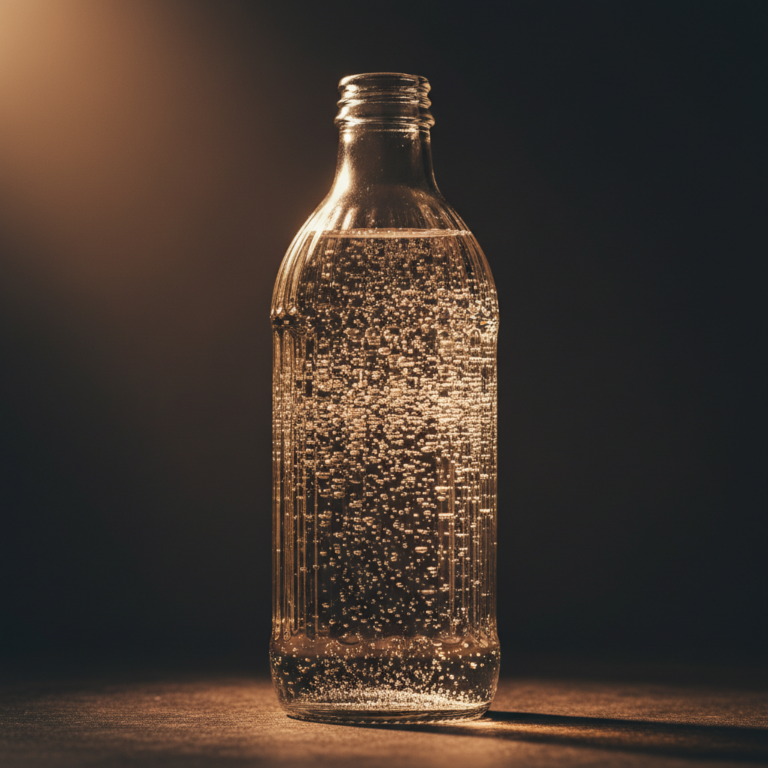
Aggressive carbonation, minerally finish, the classic glass bottle. Bartenders' favourite.
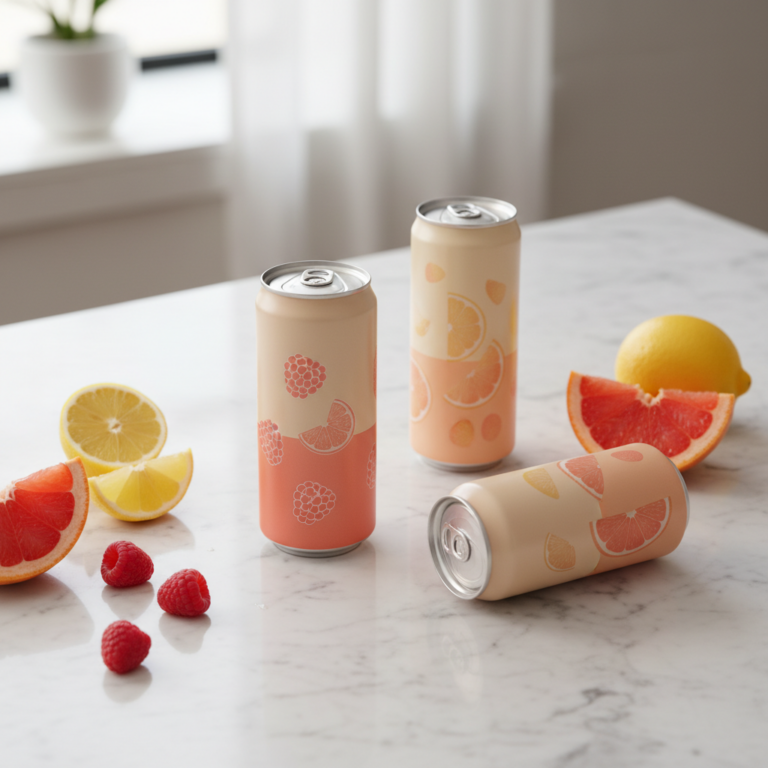
Real squeezed fruit, no sweeteners, no artificial flavors. Cleanest flavored option.
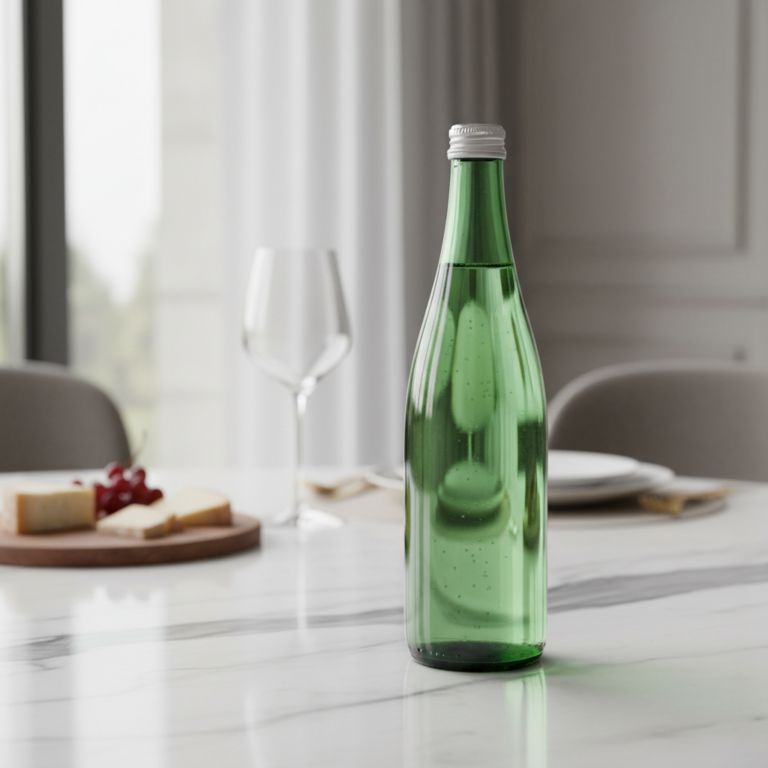
Fine bubbles, balanced TDS — pairs perfectly with cheese, charcuterie, or pasta.
Both fizz, but they're chemically different. Here's when each one wins.
Short answer: yes, for most people, with a few caveats.
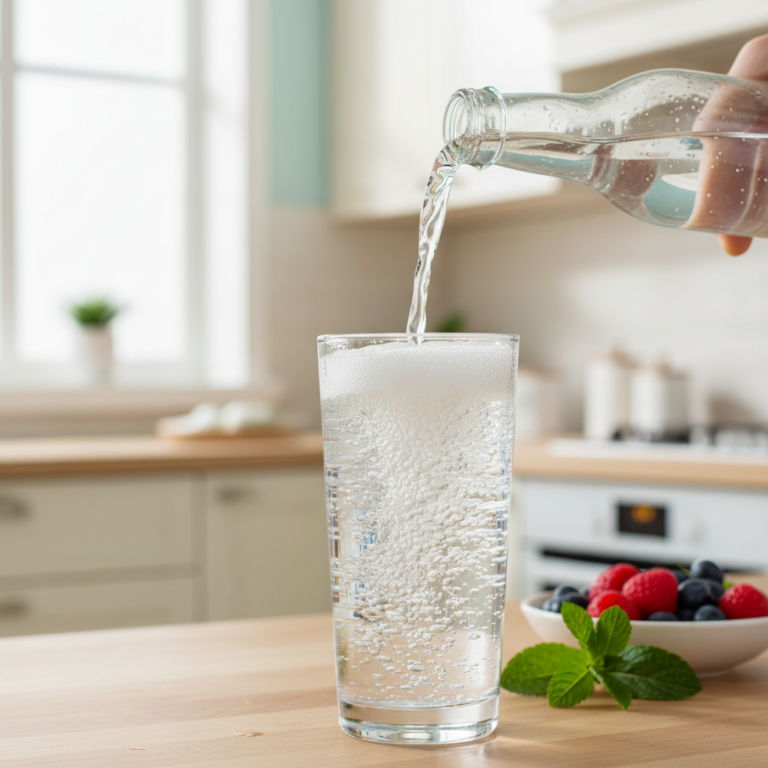
Plain sparkling water hydrates as well as still water. Carbonation does not reduce hydration. The myth that "fizzy drinks dehydrate you" applies to caffeinated sodas, not unsweetened sparkling water. Multiple studies confirm sparkling water counts fully toward your daily fluid intake.
Sparkling water is mildly acidic (pH ~5–6), but far less acidic than soda or fruit juice. The American Dental Association notes that unsweetened sparkling water shows no meaningful enamel damage. Avoid citrus-flavored versions with added citric acid if you have sensitive enamel — they're more acidic.
Some people feel bloated from CO₂ bubbles, especially with IBS or acid reflux. For others, sparkling water actually helps with mild indigestion or constipation. If you experience bloating, switch to still water or lower-carbonation brands like LaCroix.
Sparkling water has zero calories and may keep you fuller between meals. Just don't replace meals with it — and watch flavored versions for hidden sweeteners or sodium. Plain or real-fruit-flavored is the safest weight-management choice.
SodaStream and similar machines can pay for themselves in 4-6 months for daily drinkers.
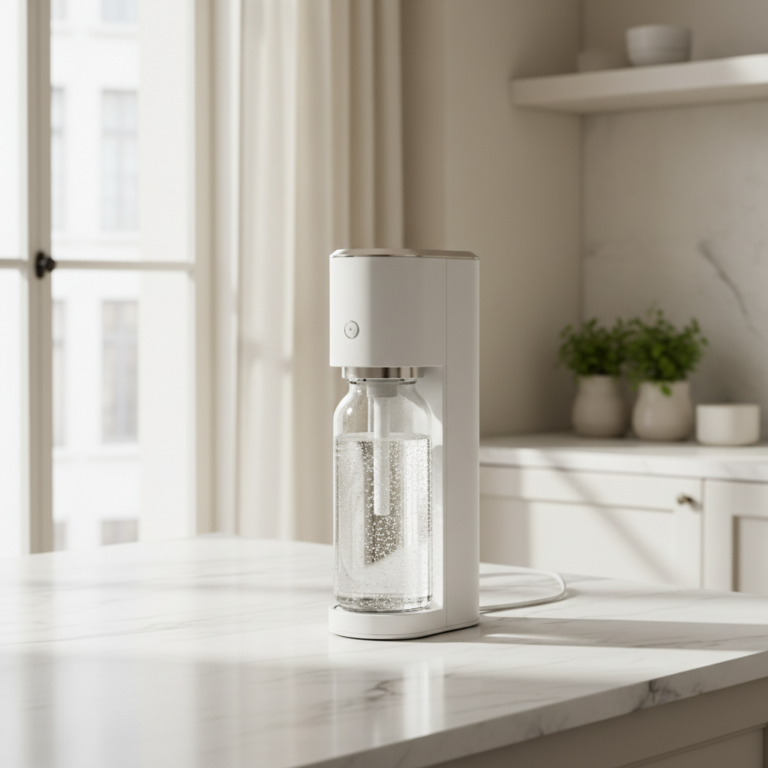
A pressurized CO₂ canister releases gas into chilled water through a small nozzle. Cold water absorbs CO₂ better — refrigerate bottles for stronger fizz. Each canister carbonates 60-130 litres depending on intensity.
Cost per liter: ~$0.20-0.30/L at home with SodaStream vs $0.75-2/L for store-bought sparkling. Quick payback for daily drinkers — 4-6 months on average.
Need to find CO2 refills near you? Use our CO2 Refill Finder — search by ZIP for nearest stations.
All zero-calorie when unsweetened. Some are obvious, some are surprising.
Counts toward daily fluid intake like still water when unsweetened — keep a chilled bottle handy to drink more overall.
The fizz scratches the soda itch with zero calories; choose flavored-but-unsweetened varieties for variety.
Natural mineral waters can provide calcium, magnesium, and trace minerals for fuller mouthfeel — check the label.
From citrus to botanicals, modern sparkling brands offer real variety without sweeteners or empty calories.
The carbonation can give a fuller stomach feeling, making it easier to wait between meals (not a meal replacement).
Add lime + mint = mojito vibe. Add muddled berries = spritzer. Endless creative low-calorie drinks.
Glass and aluminum versions recycle better than plastic. Home makers eliminate packaging waste entirely.
Light, fluffy batters (tempura, pancakes), tenderizing meat marinades, brighter cocktail drinks.
Plain sparkling water is far gentler on teeth than soda — soda is up to 100x more acidic.
7 honest answers — bold first, details after.
Two causes: warm water, or too many press-button-pulls. Always carbonate cold water (refrigerated) and use 2–3 short pulls instead of one long press. If foaming with juice/wine — see Q2.
Most home machines say no — and they're right. Anything with sugar, pulp, or oil will foam violently and damage the machine. Carbonate water only, then add flavorings after pouring.
Start with very cold water (chilled in fridge, not just tap-cold). Use 4–5 short presses instead of 2. Don't shake the bottle after carbonating — gentle handling preserves CO₂.
About $0.20-0.30 per liter with SodaStream. Compared to $0.75-2/L for store-bought sparkling, payback is typically 4-6 months for daily drinkers.
Most likely a leak in the seal or valve. Check the threading is clean and tight. If pressing the button releases CO₂ even before the bottle is attached, the valve seal is compromised. Replace the cylinder.
Mostly no, but citric-acid flavored versions can erode enamel over years. Plain sparkling water is fine. If you sip flavored versions all day with sensitive teeth, alternate with still water.
SodaStream BPA-free PET bottles last about 3 years. Each bottle has an expiry date stamped on it (date of manufacture + 36 months). Glass carafe bottles can last indefinitely with care.