Is boiled water the same as distilled water?
No — boiling kills microbes but leaves minerals behind. Distilled water requires capturing the steam and condensing it. Boiled tap water still contains all original minerals, salts, and metals.
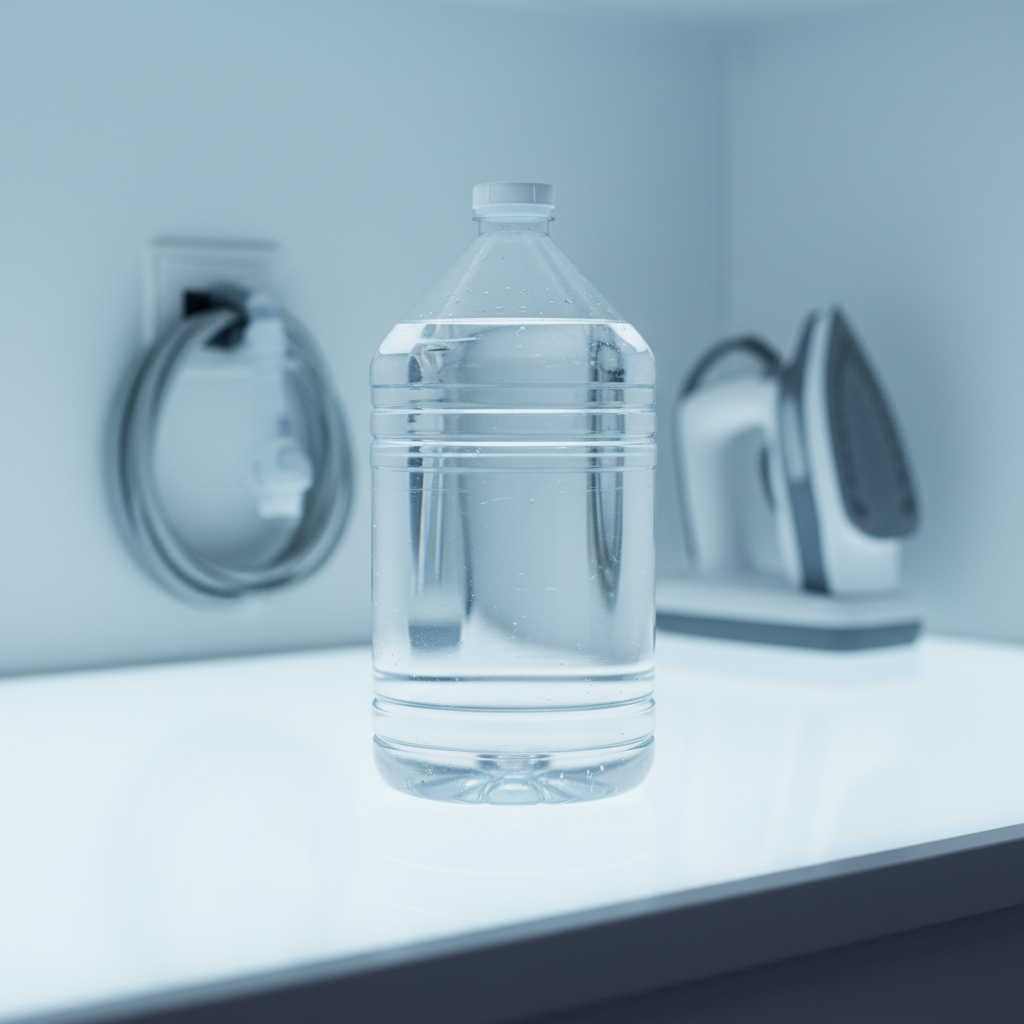
The mineral-free water made by boiling and condensing. Perfect for medical devices, appliances, and certain recipes — but not always your best choice for daily drinking.
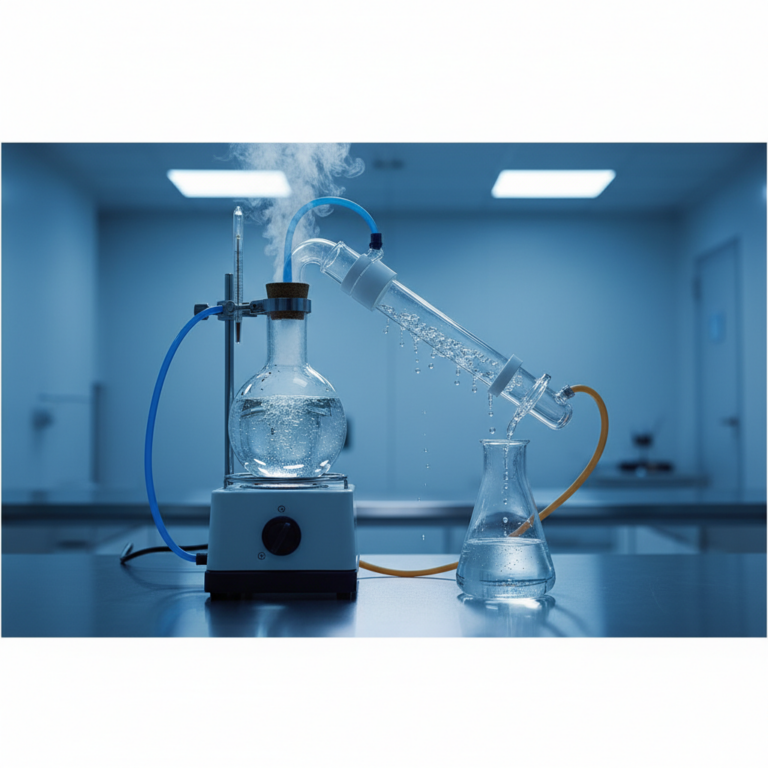
Boil, capture the steam, condense it back to water. Everything heavier than H₂O stays behind.

Water heats to 100°C, becoming steam. Heavier compounds (minerals, salts, most metals, dissolved solids) can't evaporate at that temperature, so they stay behind in the boiling chamber. The pure steam rises, hits a cooler condensing coil, and turns back into liquid water — now mineral-free.
Removes: minerals, heavy metals, microbes, salts, most pesticides. Doesn't always remove: volatile organic compounds (VOCs) with boiling points below 100°C. That's why high-quality distillers add a carbon filter at the end.
All "low TDS" but produced differently and behave differently in real-world use.
| Type | Method | TDS | Best For | Drawbacks |
|---|---|---|---|---|
| Distilled | Boil + condense | 0–10 mg/L | Medical (CPAP, autoclaves), appliances, infant formula prep | Slow, energy-intensive, flat taste |
| RO (Reverse Osmosis) | Membrane filtration | 5–50 mg/L | Whole-home filtration, drinking, fish tanks | Wastes water (3:1), doesn't remove all VOCs |
| Deionized (DI) | Ion exchange resin | 0–5 mg/L | Lab use, electronics, car washes | Doesn't remove organics or microbes; not for drinking |
| Purified | Various (often RO + UV) | 0–50 mg/L | Bottled drinking water | Process varies by brand; minerals usually re-added |
Mineral-free water shines in specific situations. Here's where it's worth buying.

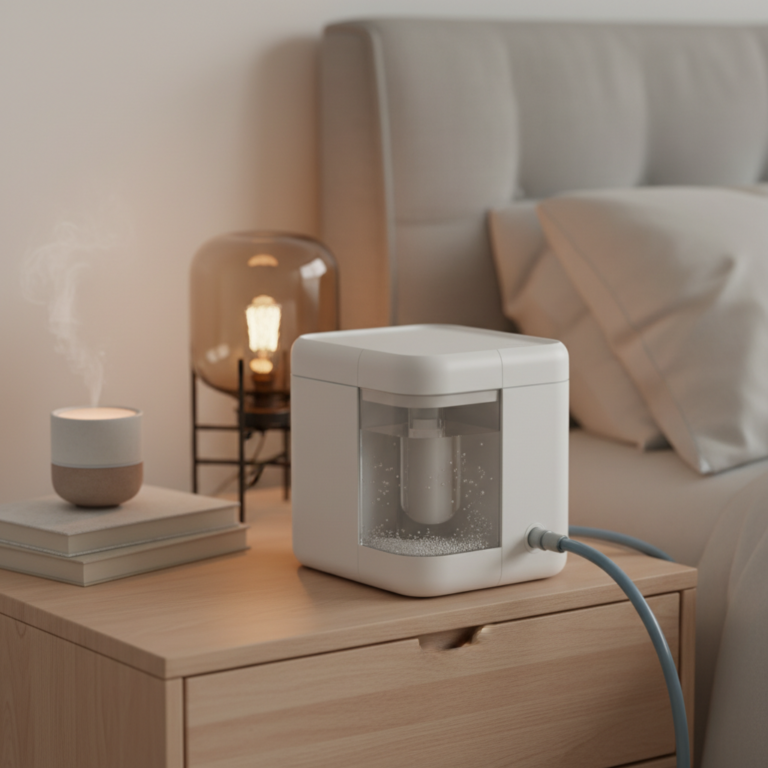
Always use distilled water in CPAP humidifier chambers and sleep humidifiers. Tap water leaves mineral scale that clogs vapor outlets and breaks heating elements within months. Distilled leaves zero deposits.
Most modern irons explicitly state "use distilled water only." Tap water minerals burn onto the soleplate and clog steam vents. Distilled extends iron life by 5-10x.
Top up battery cells with distilled water only — minerals in tap water short out the cells and reduce battery life dramatically.
Some pediatricians recommend distilled water for mixing infant formula in regions with high-TDS or fluoride-heavy tap water. Always follow your pediatrician's specific guidance.
Useful starting base for sensitive species, but you must add minerals back before adding fish. Pure distilled is osmotically harsh on aquatic life.
Short answer: yes occasionally, but it's not optimal as your only water source.
Distilled water is mineral-free. If you drink it occasionally — fine. If it's your only source for weeks, your body misses small amounts of magnesium, calcium, and bicarbonate that mineral water naturally provides.
For most healthy adults eating a balanced diet, this isn't dangerous — you get those minerals from food. But people with low-mineral diets or athletes losing electrolytes through sweat may want spring or mineral water instead.
Most distilled water sold for home use is similar; price differences come from packaging and brand.
Two methods — countertop distiller (easy, electric) or stovetop pot (free, slow).

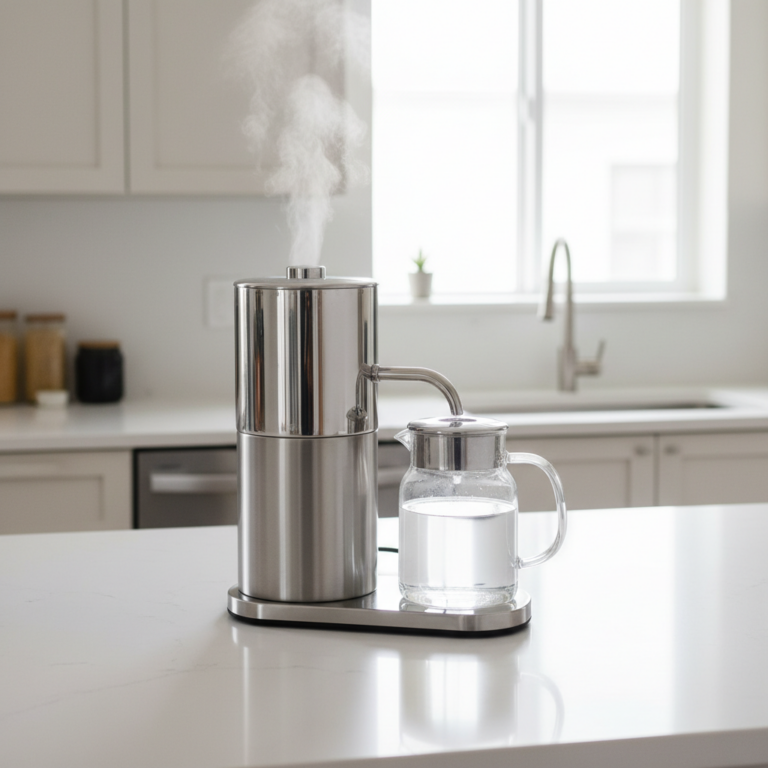
A small kitchen appliance that handles the entire boil + condense + collect cycle automatically. Most produce 1 gallon of distilled water in 4–6 hours.
Free method using stuff you already have. Slower and yields less, but works in a pinch.
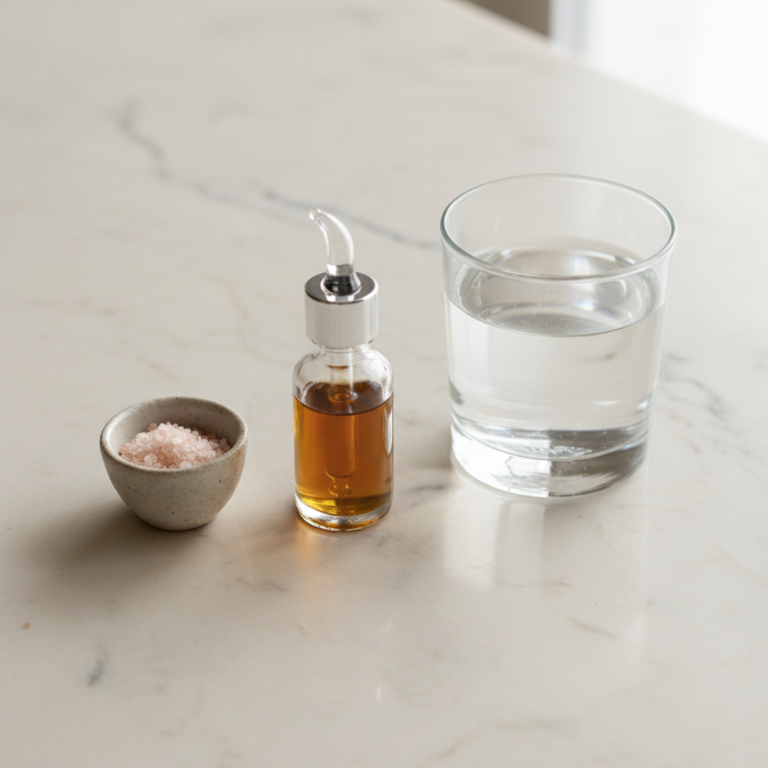
Pure distilled tastes flat. Adding back small amounts of minerals improves taste and helps coffee/tea.

For everyday drinking, aim for 60–120 mg/L TDS after remineralization. This gives "soft" mineral taste without overwhelming the water.
For a 1-liter bottle of distilled water:
For coffee, target 80–120 mg/L with bicarbonate-rich water. Try mixing 50% distilled + 50% spring water as a starting point. Many specialty coffee shops use a similar blend for consistency.
Light style (~60 mg/L): 50 mg sodium bicarbonate + 30 mg magnesium chloride. Medium style (~100 mg/L): double both. Always use food-grade powders, never industrial.
Bold answer first, details after.
No — boiling kills microbes but leaves minerals behind. Distilled water requires capturing the steam and condensing it. Boiled tap water still contains all original minerals, salts, and metals.
Yes occasionally, but daily as your only source isn't ideal. Healthy adults eating a balanced diet won't suffer mineral deficiency from distilled water alone, but mineral water provides small electrolyte amounts that support hydration during exercise or hot weather.
5–7 days for best taste, indefinitely for safety if sealed and refrigerated. Distilled water can absorb CO₂ from air and become slightly more acidic over time. For medical use (CPAP, infant formula), use fresh distilled water.
Distilled = boiled + condensed. RO = membrane-filtered. Deionized = ion-exchange resin treated. All produce low-TDS water, but distilled also kills microbes (heat sterilizes). DI water is for industrial/lab use, RO is best for whole-house drinking, distilled is best for medical/appliance use.
Either the water isn't truly distilled, or your humidifier wasn't fully cleaned. Test the TDS of the water with a cheap meter — should read under 10 ppm. If above 50 ppm, it's labeled "distilled" but may have re-mineralized minerals added.
No — your stomach is far more acidic (pH 1–3). Distilled water becomes slightly acidic after exposure to air because it absorbs atmospheric CO₂. This has no health effect. Sealed distilled water can range from pH 5.5–7.0 depending on storage time.
For most appliances yes; for medical devices, check the manual. RO water is 90%+ as pure as distilled. CPAP machines and humidifiers usually accept RO; medical autoclaves typically require true distilled or USP-grade.
Theoretically yes, practically no for direct use. Rainwater is naturally distilled by evaporation, but it picks up dust, pollutants, and bacteria from the air and roof during collection. Always filter and disinfect rainwater before consuming.