
Acqua Panna
ItalySoft Tuscan spring water with low minerality and gentle taste.
Explore a global list of bottled, spring, mineral, and purified water brands. Use the A–Z filter, search any brand, or browse our curated picks below. We also highlight mineral-rich options, flavored lines, and major retail labels.
Search by name or filter by type. 127+ bottled water brands from around the world.
Soft Tuscan spring water with low minerality and gentle taste.
Bavarian Alpine mineral water with rich mineral content.
Plant-based beverage line popular across Latin America.
Uruguay's top mineral water brand from Salto Grande aquifer.
Affordable purified water brand widely sold in Latin America.
Tamil Nadu's government-backed packaged drinking water brand.
Ethiopian naturally carbonated mineral water with bold fizz.
Historic Hungarian mineral water brand with healing reputation.
Iconic German mineral water — "Queen of Table Waters."
British spring water bottled in the Lake District.
PepsiCo's purified water — RO/UV filtered tap source.
California spring water sourced from multiple Western US locations.
Dubai-based bottled water from Coca-Cola's Middle East lineup.
French naturally sparkling mineral water with fine bubbles.
Antioxidant-infused water brand owned by Dr Pepper Snapple.
Ireland's leading natural spring water from County Limerick.
Historical Virginia lithia mineral water brand.
Ethical British spring water — 100% profits to clean water charities.
Centuries-old Czech mineral water with high bicarbonate content.
India's most recognized packaged drinking water brand.
High-mineral naturally carbonated mineral water from Caucasus mountains.
British spring water from the Peak District with balanced minerals.
Cuba's most popular bottled water brand with naturally carbonated option.
Coca-Cola's purified water brand widely available across Mexico.
French mineral water marketed for high calcium and slim figures.
Australian spring water sourced from Otway Ranges, Victoria.
Clear-label purified water with simple, transparent branding.
Spring water from multiple US sources, widely retailed nationwide.
Major water treatment brand offering bottled and home filtered water.
Iranian mineral water from Mount Damavand glacier source.
Kurdish region spring water bottled in Sulaymaniyah.
French multinational owning Evian, Volvic, and other water brands.
Coca-Cola's purified water with added minerals for taste.
Northern Irish spring water bottled in County Antrim.
New Zealand mineral water from Otago region's artesian source.
Mid-Atlantic US spring water now part of BlueTriton Brands.
PepsiCo purified water with added electrolytes for taste.
Slovenian mineral water famous for high magnesium content (1000+ mg/L).
Israeli mineral water from the Dead Sea region oasis.
Parent company of Glacéau brands including Smartwater and Vitaminwater.
Starbucks-owned spring water; portion of sales fund clean water programs.
Iconic French Alps mineral water with balanced TDS and smooth taste.
Norway's historic mineral water from Farris spring in Larvik.
Artesian water with high silica content from Fiji's Yaqara Valley.
Lightly fruit-flavored zero-calorie water beverage.
Canary Islands spring water from Tenerife volcanic mountains.
China's premium mineral water from Boluo, Guangdong province.
High-mineral German sparkling water with strong calcium and magnesium.
Coca-Cola brand making Smartwater and Vitaminwater products.
Specialty water brand for premium retail and food service.
British spring water from Harrogate, Yorkshire — bottled since 1571.
Scottish spring water — soft, clean, and family-friendly.
Tata-owned natural mineral water sourced from Himalayan foothills.
Inventor brand referencing the historic Codd-neck bottle for fizzy drinks.
Better known for reusable bottles than bottled water itself.
Midwestern US spring water from Michigan's Sanctuary Springs.
Pristine Icelandic spring water from glacial mountain sources.
Icelandic spring water with very low TDS and ultra-clean profile.
Norwegian glacier spring water bottled in Hardanger fjord region.
Croatia's most popular naturally carbonated mineral water brand.
Croatian artesian water from 700m underground in Sveta Jana.
Armenian high-altitude naturally carbonated mineral water.
Protein-fortified discontinued water beverage from Kellogg's.
Costco's house brand spring water — value-priced, multiple sources.
Serbia's historic mineral water company since 1811.
Indonesian mineral water brand challenging the local market.
Mountain water in tallboy aluminum cans with edgy heavy-metal branding.
Naturally lithium-rich mineral water historically from Oregon springs.
Historic New Hampshire lithium mineral water brand.
Dubai government-owned premium drinking water brand.
Historic English spring water — favourite of Queen Elizabeth II.
Czech mineral water — Central Europe's top-selling brand.
Israeli spring water from Galilee region's Salukia spring.
Hungarian thermal-fed mineral water with unique mineral profile.
Australia's leading spring water brand from multiple national sources.
Arkansas spring water in iconic green glass bottle since 1871.
Georgian naturally carbonated mineral water from Western Georgia.
Quebec spring water with balanced minerals and light taste.
Global purified water brand — source varies by region.
Swiss-based multinational owning many global water brands.
Now BlueTriton Brands — owns Poland Spring, Arrowhead, Deer Park, more.
Israeli spring water — country's largest bottled water brand.
Singapore's reclaimed/recycled water — high-grade purified for drinking.
China's leading natural spring water brand from multiple regional sources.
Texas spring water — popular regional brand from Piney Woods.
Panamanian spring water from Chiriquí highland sources.
British spring water bottled in the Pennine hills.
Ultra-purified water marketed with restructured-water claims.
Iconic French naturally sparkling mineral water with crisp fizz.
Historic Indiana mineral water famous for laxative properties.
Massachusetts-based seltzer brand with wide flavor range.
Maine spring water with light minerality, widely retailed in Northeast US.
British spring water brand bottled in Lancashire.
Welsh spring water from Pembrokeshire National Park.
PepsiCo electrolyte-enhanced fitness water with vitamins added.
New Zealand spring water with iconic squeeze-cap sport bottle.
Slovenia's top mineral water — naturally carbonated since 1869.
Sweden's premier mineral water from Helsingborg since 1707.
Georgian natural mineral water from Imereti region springs.
Peruvian Andes mineral water from over 4,500m altitude.
Italian sparkling mineral water with iconic green bottle.
Italian Umbrian mineral water known for high calcium content.
German mineral water that gave its name to "seltzer" worldwide.
Western US spring water for home and office cooler delivery.
Lebanese natural spring water from Falougha mountain source.
Greek naturally carbonated mineral water from Souroti spring.
Belgian mineral water from the namesake town of Spa, since 1583.
California-based water cooler delivery brand for home and office.
German state-recognized "healing water" with high bicarbonate.
Lebanese mountain spring water from Mount Lebanon range.
Welsh spring water from the Brecon Beacons.
Irish mineral water from Tipperary County's Devil's Bit Mountain.
Mexican naturally carbonated mineral water with strong character.
Branded purified water once distributed at Trump properties.
Welsh spring water famous for its iconic cobalt blue glass bottle.
South African spring water from Heidelberg, Western Cape.
Finnish premium spring water from Bhutan's Himalayan source.
Greek mineral water from Mount Vermio in Northern Greece.
Coconut water brand that also makes cane sugar–free flavored water.
French mineral water from Vosges region with balanced minerality.
Volcanic spring water from Auvergne — low minerality, smooth taste.
Norwegian artesian spring water in tall cylindrical premium bottle.
Austria's leading mineral water from Bad Vöslau thermal source.
Hong Kong's top distilled drinking water brand since 1903.
Canadian glacier spring water from British Columbia's Coast Mountains.
Czech bitter mineral water — known for high sulfate, used medicinally.
Florida spring water bottled from natural springs in Zephyrhills, FL.
No brands match your search.
Note: Brand portfolios, ownership, and regional availability can change. Always verify label details (source, minerals, bottling location). Recipes and sourcing may vary by region or year.
Natural Spring Water (pH 7.0–8.0) is the best choice for daily hydration. It offers a neutral taste and naturally occurring minerals without the high sodium content found in some mineral waters.
Spring Water: Best balance — natural source, clean taste. Mineral Water: High TDS, good for electrolyte replenishment but has a distinct taste. Purified Water: Safest & cheapest, consistent taste, lacks natural minerals.
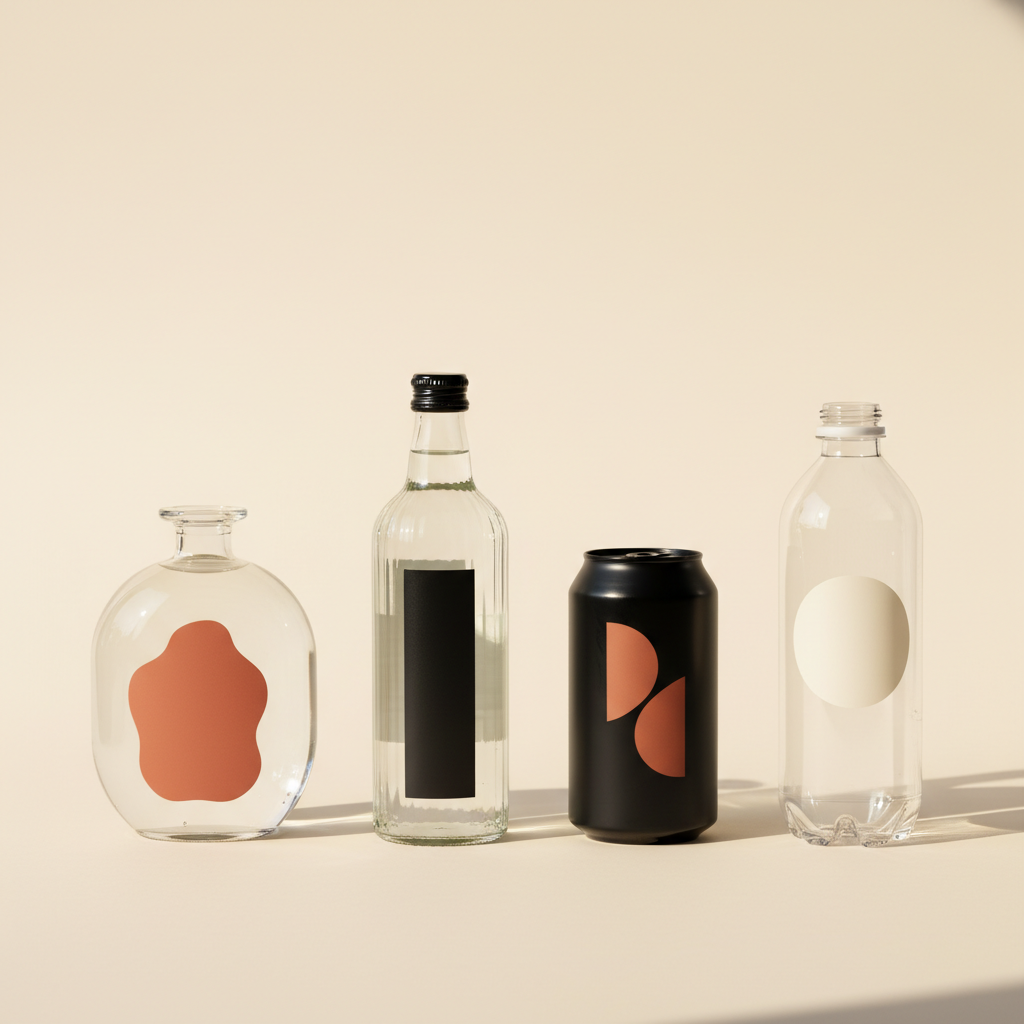
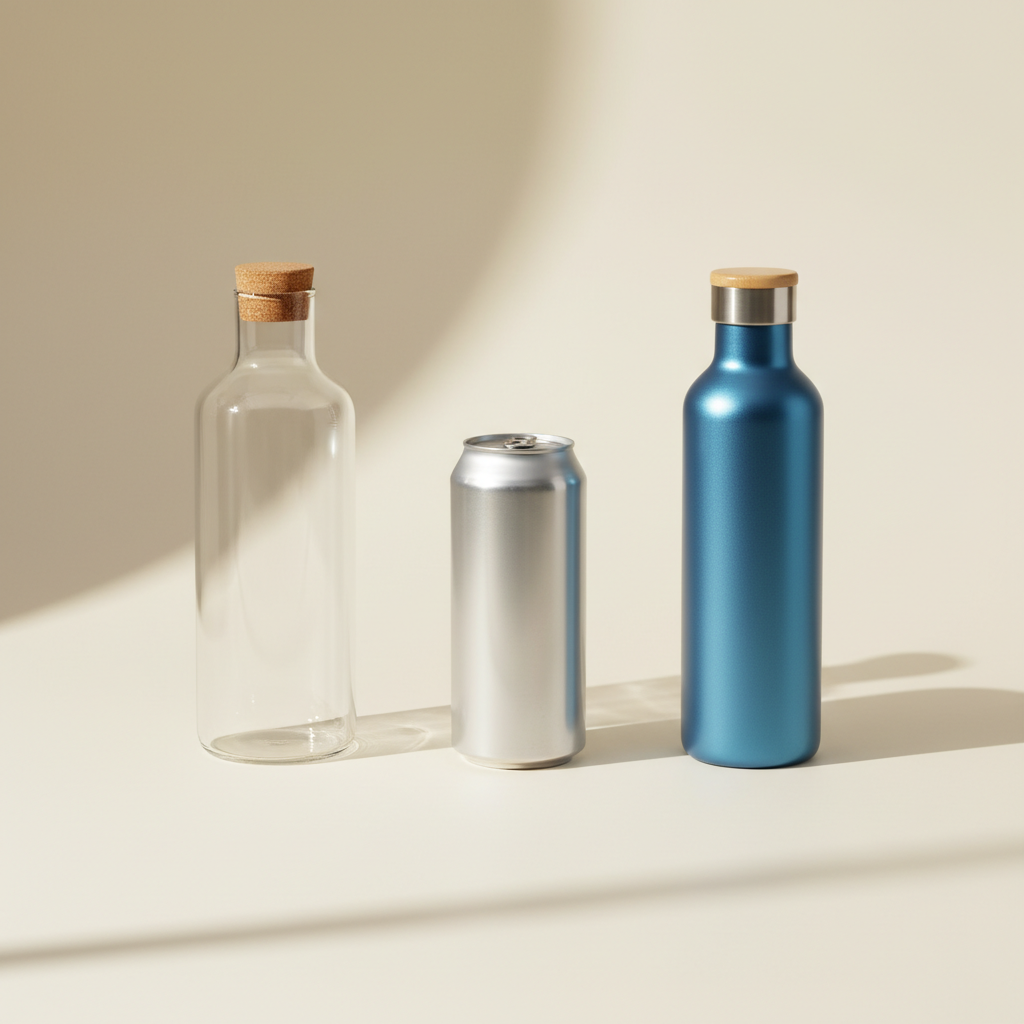
Choose Glass for dining and purity (no taste leaching). Choose Aluminum for eco-friendliness and fast cooling. Use PET Plastic only for convenience, but keep it out of heat.
Avoid carbonated/sparkling water during intense workouts (causes bloating) or if you suffer from Acid Reflux/GERD, as the carbonation can trigger symptoms.
Filter-friendly suggestions: glass, budget, mineral-rich, purified, still or sparkling. Neutral takes based on common positioning of the brands.
 Editor's Pick
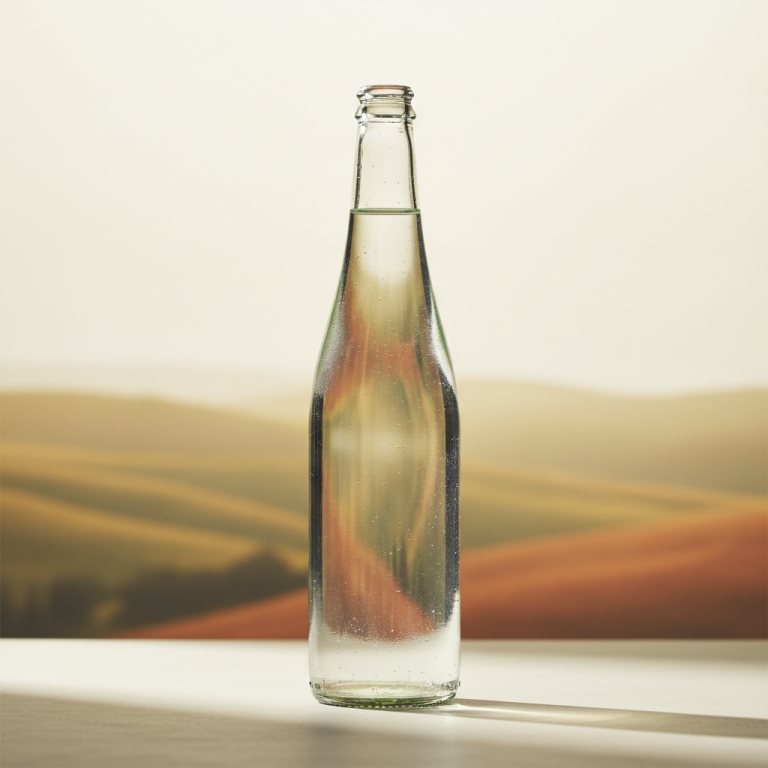
Italian still spring water from Tuscany. Soft, balanced, and food-friendly — ideal for sipping with meals. Glass bottle option preserves taste perfectly.
 Best Sparkling
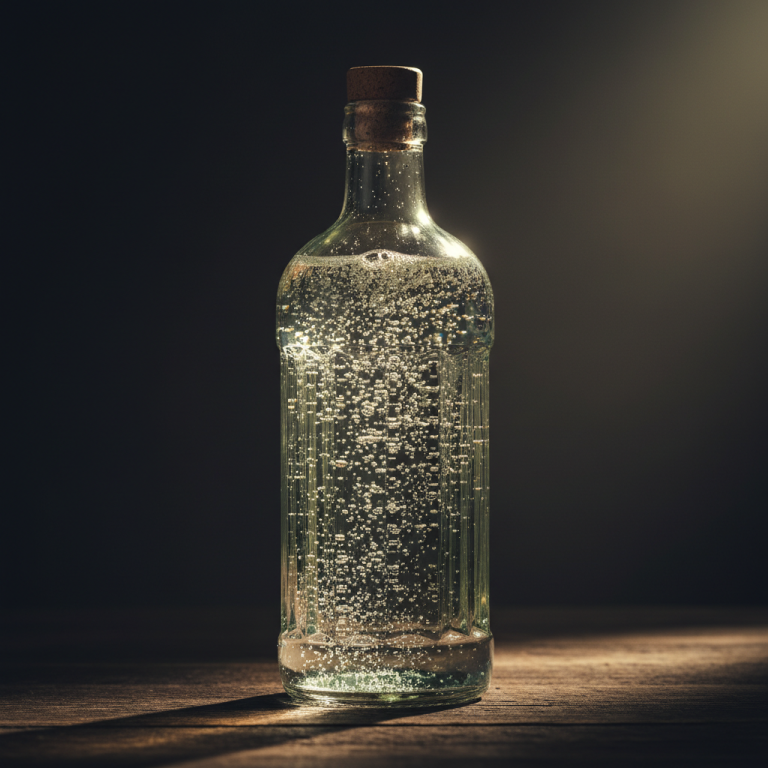
Mexican mineral water from Monterrey, naturally carbonated since 1895. Strong minerality and distinct fizz — a mixologist favourite.
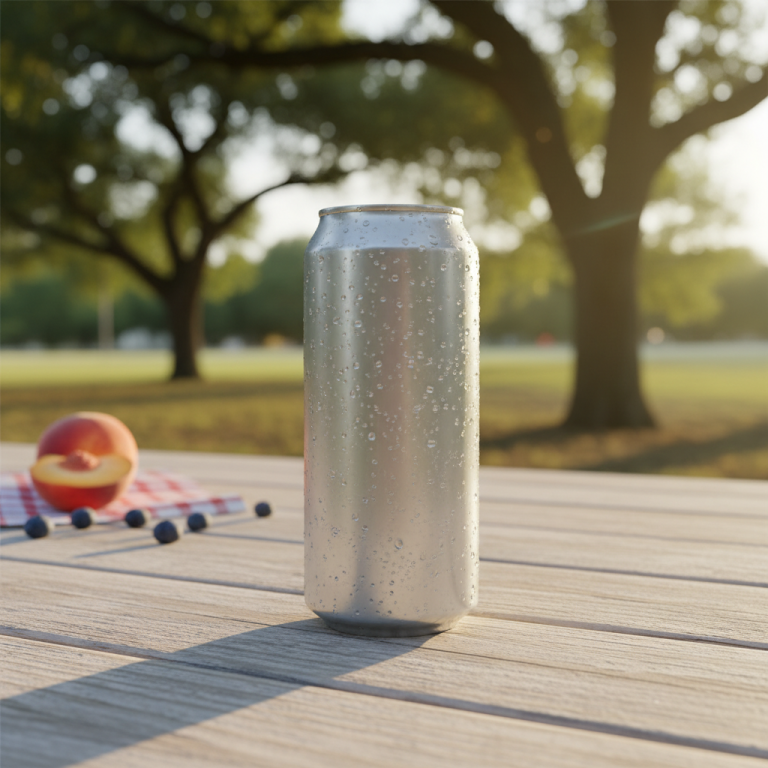
 No Sweeteners
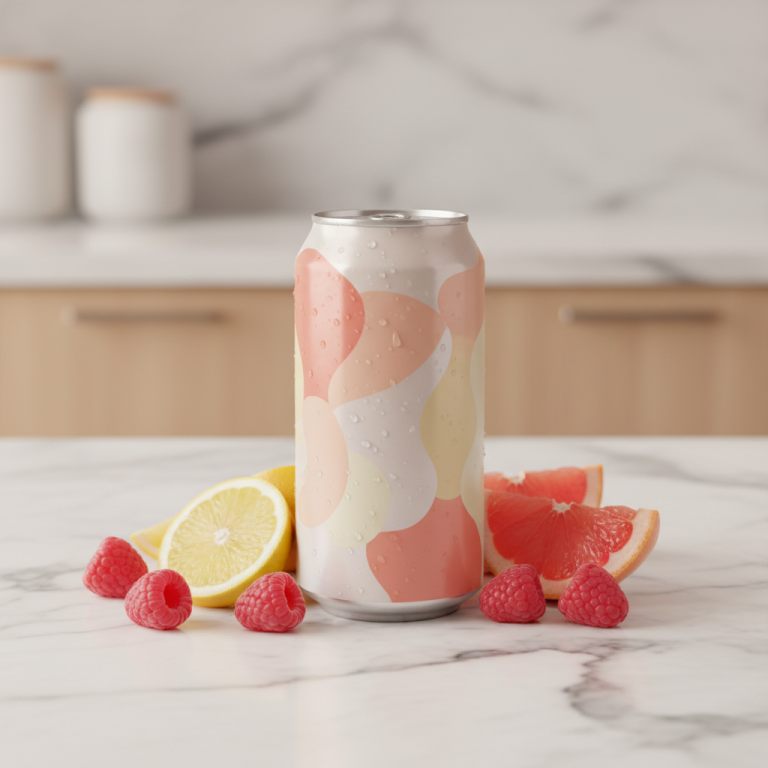
Real squeezed fruit, no artificial flavours, no sweeteners. The cleanest "flavoured sparkling" we've found. Aluminum cans help recyclability.
 Best Value
Texas-based brand with a wide flavour range and a clean ingredient deck. A solid everyday sparkling at a friendly price point.
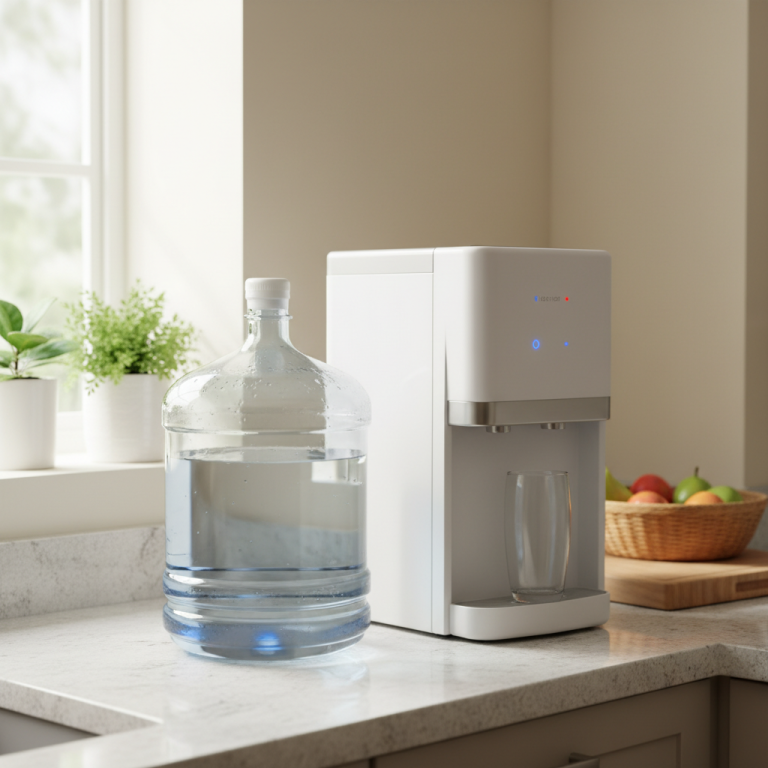 Bulk · Home/Office
5-gallon refills available at Walmart, Target, Lowe's. Cheapest cost-per-litre by far — much better than buying single-bottle cases for home use.
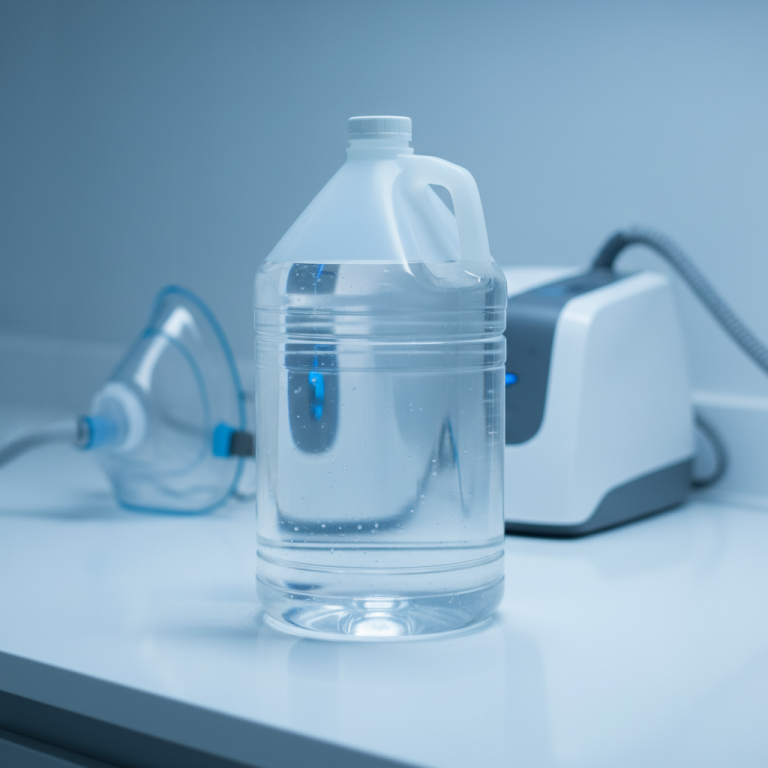 Specialty
Use for CPAP machines, steam irons, car batteries, and infant formula prep. Not ideal as your only daily drinking source — it's mineral-free.
Note: Brand portfolios, ownership, and regional availability can change. Always verify label details (source, minerals, bottling location). Recipes and sourcing may vary by region or year.
All three are "water," but they come from different sources and are processed differently. Here's what each label actually means.
Source: Natural dissolved minerals; often spring-sourced. Can be still or naturally/supplementally carbonated.
Taste: Noticeable character (calcium/magnesium); ranges from "crisp" to "rounded." TDS (typical): ~150–2,500 mg/L (varies widely by brand).
Good for: Sipping, with meals, cocktails (sparkling). Examples: Gerolsteiner, San Pellegrino, Perrier, Borjomi, Mountain Valley.
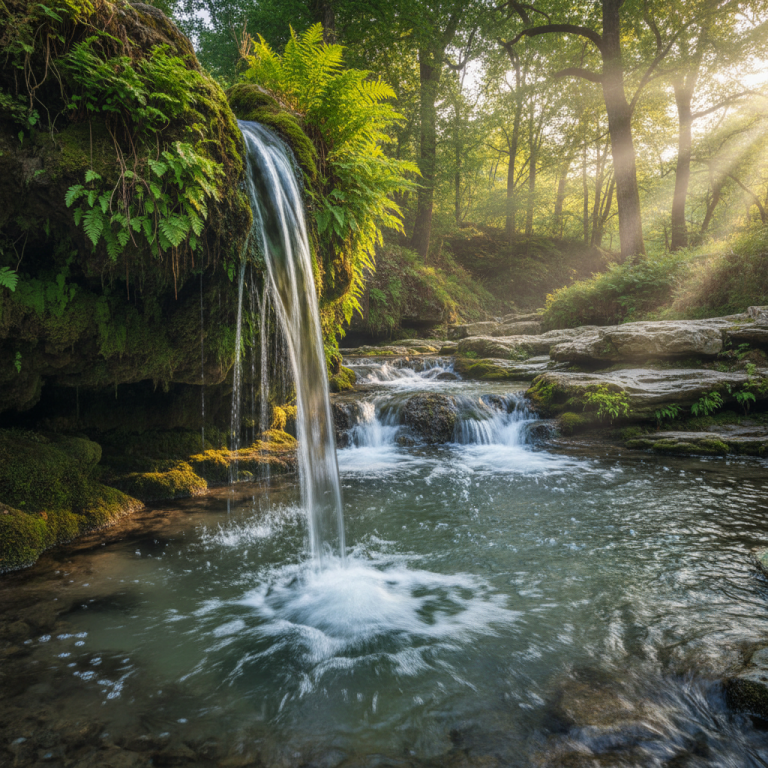
Source: Captured from an underground formation that flows to the surface naturally.
Taste: Clean, light mineral notes; varies by geology. TDS (typical): ~50–500 mg/L (brand/region dependent).
Good for: Everyday drinking, light coffee/tea. Examples: Acqua Panna, Poland Spring, Buxton, Highland Spring.
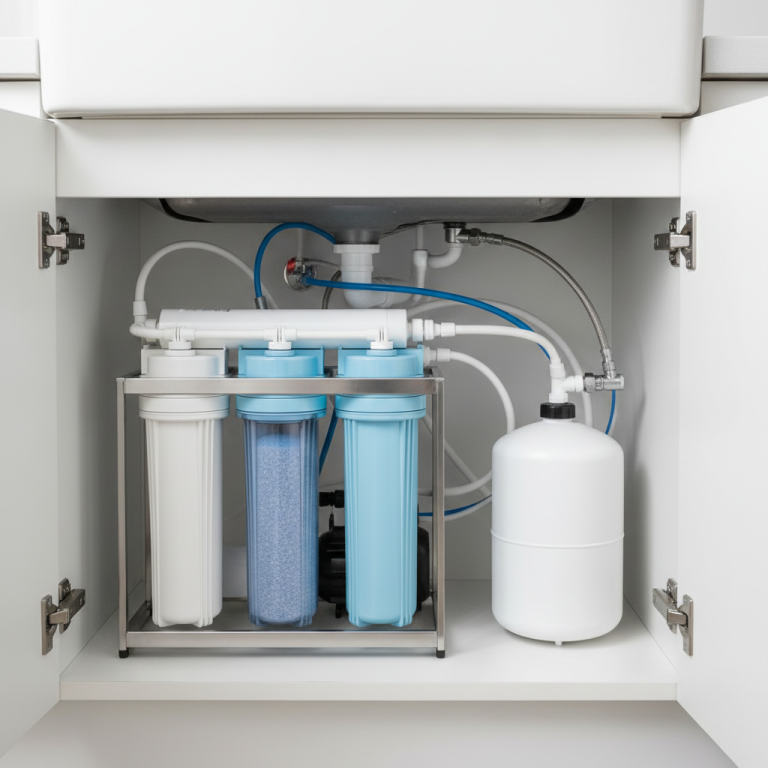
Source: Treated to remove most minerals/impurities (RO, distillation, deionization, sometimes UV/ozone).
Taste: Very neutral; "soft" mouthfeel; can feel flatter without minerals. TDS (typical): ~0–50 mg/L (often single digits).
Good for: Appliances, mixing concentrates, sensitive palates. Examples: Aquafina, Dasani, Nestlé Pure Life (varies by market).
| Type | Source | Treatment | TDS guide | Taste notes | Common uses |
|---|---|---|---|---|---|
| Mineral | Underground springs/aquifers with native minerals | Filtration; carbonation may be natural or added | 150–2,500 mg/L | Pronounced, mineral-forward; great with food | Dining, sipping, sparkling mixers |
| Spring | Natural spring source | Filtration, disinfection as required | 50–500 mg/L | Clean, light mineral character | Daily drinking, light coffee/tea |
| Purified | Municipal or well feed | RO / distillation / deionization (+ UV/ozone) | 0–50 mg/L | Very neutral; "soft" mouthfeel | Appliances, formulas, concentrates |
Label tip: Check the bottle's "source," "TDS," and "mineral analysis" (if listed). Recipes and sourcing can vary by region/year.
Read the label like a pro. TDS, source, minerals, carbonation, and packaging all change taste and use-case.
Tip: For coffee and tea, start near 75–150 mg/L TDS. Very low TDS can under-extract; very high can mute acidity.
Always verify local availability and read the exact bottle label — recipes and sourcing may change by region/year.
Get quick answers about shelf life, BPA, refilling, and more.
Reminder: Always read the label for "best by" dates, storage guidance, and contact details. This is general info, not health advice.
Fast home tips (non-medical) and the most-asked questions about bottled water taste, storage, and picking the right type.
There's no single best — most people prefer lightly mineralized spring water (clean taste with a little structure). If you like ultra-neutral, try purified (RO/distilled). For more character, choose mineral waters.
Some retail brands bottle in multiple plants — minerals and source waters vary by region. Check the plant code or source on the label, and compare TDS/mineral lists where available.
Sparkling accentuates acidity/bitterness and feels crisper — great with rich or salty foods. Still is smoother and better for fast hydration or coffee/tea.
Glass: flavor-neutral, premium feel. PET: lightweight & affordable. Aluminum: chills fast and is widely recycled. Choose by taste, portability, and budget.
For short-term, occasional reuse many people do, but bottles are designed for single use and can scuff or deform. Clean thoroughly, avoid heat, and switch to a reusable bottle (stainless/glass) for daily refilling.
Mineral water contributes small amounts of electrolytes (calcium, magnesium) that can affect taste and mouthfeel. For most healthy people, both mineral and purified are fine — choose by taste, mineral preference, and use-case. Always follow medical advice if you have specific dietary needs.
For coffee/tea, add a small pinch of food-grade bicarbonate and a few drops of magnesium concentrate per litre to reach a light TDS (60–90 mg/L). Use food-grade minerals only. This is a kitchen tip, not health advice.