
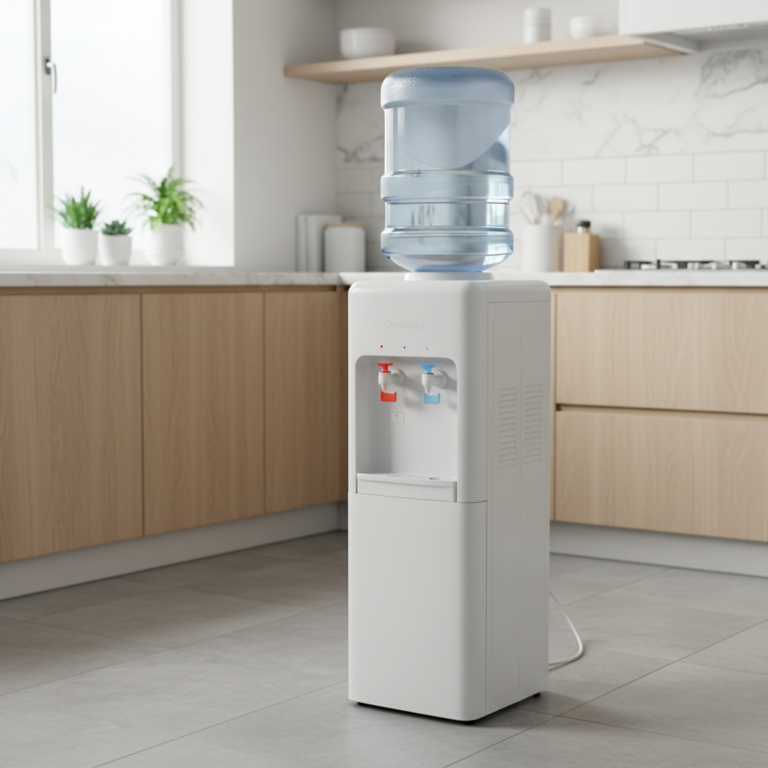
Cheapest · Most Common
Top-Load Dispenser
Bottle goes on top, water gravity-feeds down. ~$80–$200. Lifting 5-gal jug (40 lbs) every refill is the trade-off.
The complete guide to Primo's three core services. Compare costs, learn how exchange and refill work, choose the right dispenser, and decide if it's the cheapest way to drink purified water at home.
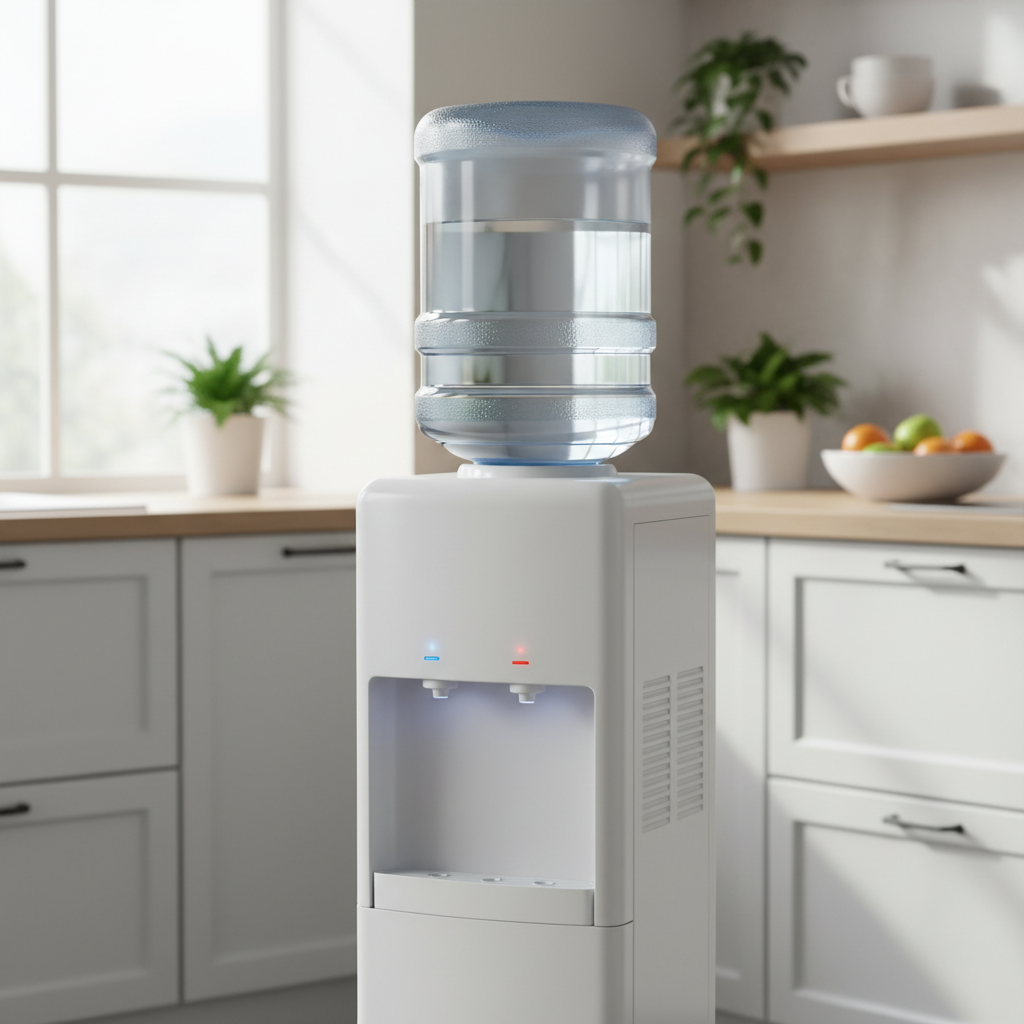
Refill, exchange, or home delivery. Each has different costs, convenience trade-offs, and use-cases.
| Service | How it works | Cost (3-gal) | Convenience | Best for |
|---|---|---|---|---|
| Refill | Bring empty bottle to a station, refill on-site | ~$0.30/gal | Effort: drive + carry | Cheapest, occasional users |
| Exchange | Drop empty, grab a fresh full bottle at retail kiosk | ~$7–$9 per 3-gal | Faster than refill | Regular users, busy schedule |
| Delivery | Scheduled home delivery (every 2–4 weeks) | $10–$13 per 5-gal | Highest — no errands | Office, families, mobility issues |
Bring an empty Primo bottle to participating retailers (Walmart, Lowe's, Home Depot, many grocery stores). The kiosk swaps your empty for a sealed full bottle. Pay the per-bottle exchange price.
Pro tip: First-time? Buy a full bottle outright (~$15) — the deposit is "spent" once you start exchanging.
Bring your empty Primo bottle (or any 3/5-gallon container) to a self-serve refill station. Insert payment, position bottle under nozzle, water fills automatically. Cheaper per gallon but requires manual handling and waiting.
Tip: Sanitize your bottle interior every 2-3 refills with a baking-soda + warm-water rinse.
Primo water is purified — RO + ozone + UV. Here's what's removed and what's added back.
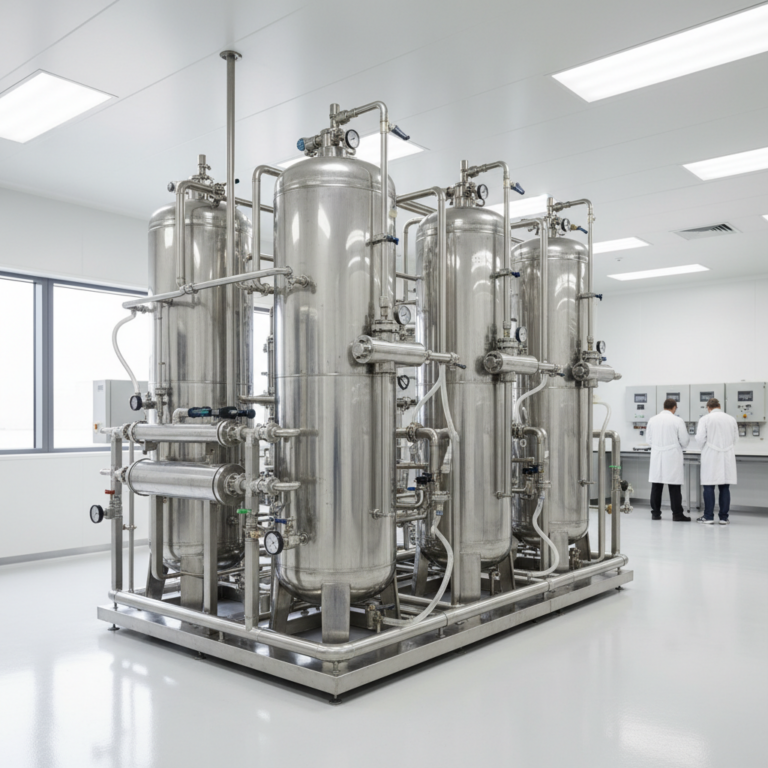
Primo water tastes clean and neutral — slightly softer than spring water, no mineral character, no chlorine or chemical aftertaste. If you're switching from tap, the difference is immediately noticeable in coffee/tea.
If it tastes "flat," try refrigerating bottles before use, or add a pinch of pink salt for trace minerals.
Top-load, bottom-load, or counter-top — each has its place.
Bottle goes on top, water gravity-feeds down. ~$80–$200. Lifting 5-gal jug (40 lbs) every refill is the trade-off.
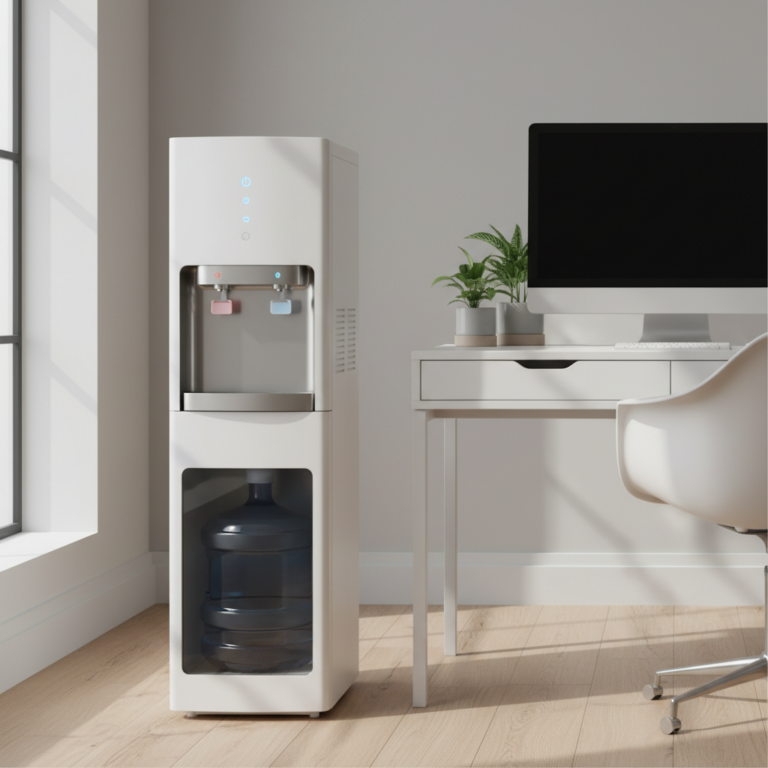
Bottle hides inside cabinet, slides in at floor level. ~$150–$400. No more lifting overhead — best for elderly or back issues.
Hand or battery pump on top of bottle. ~$15–$40. Use bottle on countertop, no electricity needed. Best for small kitchens or RV use.
Real numbers from US retailers — costs vary slightly by region.
The first time you buy a Primo bottle, you pay a "deposit" (typically $6–$15). After that, every exchange swaps your empty for a full one — no more deposits paid.
If you stop using Primo, return the empty bottle to a retailer for a refund.
Math example: 5-gallon bottle, refilled twice a month = $3/month vs ~$80/month buying single 16oz bottles. Payback period for the dispenser: 1-2 months.
Pick by what matters most: price, convenience, or guaranteed schedule.
5-gallon Primo bottles are reused 50+ times — far better than single-use bottles.
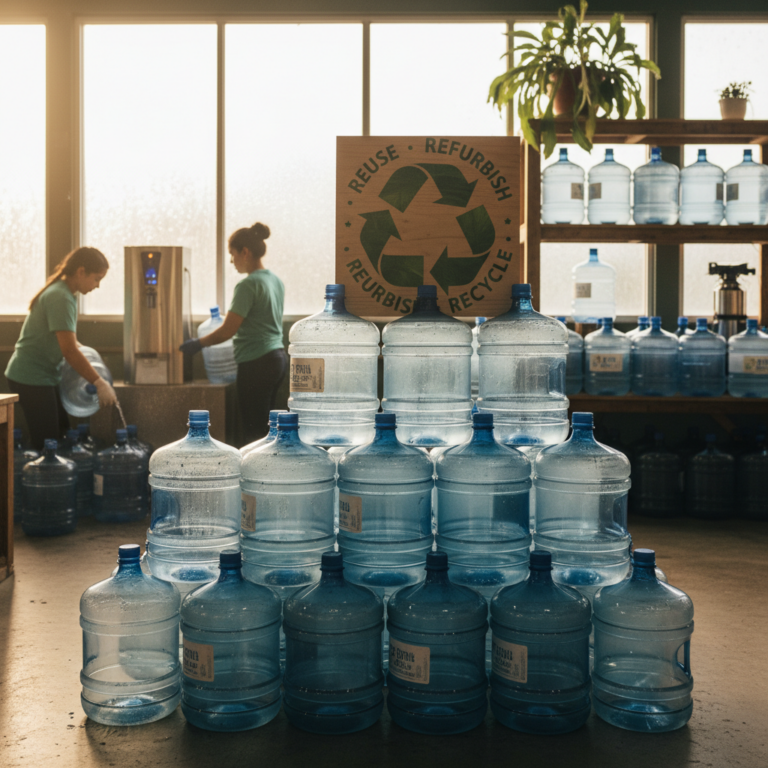
You return the empty bottle. Primo collects, sanitizes (300°F steam wash + chemical sanitize), inspects for damage, then refills. A typical bottle is reused 30–50 times before retirement. One 5-gal bottle replaces ~50 single-use 16oz plastic bottles — massive plastic savings.
Average household using 4 × 5-gallon bottles per month = ~200 single-use plastic bottles avoided per month, or ~2,400 per year. That's 70+ pounds of plastic kept out of landfills annually.
Once a bottle reaches retirement (cracks, scratches, deformation), Primo recycles them through certified plastic-recovery programs. The PET is reused for new bottles, fiber, or industrial products.
Bold answer first, details after.
Primo is purified water — RO + UV + ozone treated, with small amounts of calcium and magnesium added back for taste. Not natural mineral water; not spring water.
No — only on your first bottle (~$15). After that, every exchange swaps your empty for a full one. The deposit is refundable if you return the bottle and quit the service.
"Flat" is normal for purified water — try refrigerating before use. Plastic taste can come from a hot car trunk or sunlit storage. Sanitize the bottle (next refill cycle) and store cool. Pinch of pink salt restores taste.
Air bubble in the line — bottle isn't seated properly. Re-seat the bottle. If still slow, descale with vinegar (top-load: pour 1 cup vinegar through cold tap, let sit 1 hour, flush thoroughly). Replace bottle if seal looks deformed.
Yes — all current Primo 3-gallon and 5-gallon bottles are BPA-free (#7 PETG plastic, food-grade certified). Pre-2010 bottles may still circulate in some regions; check the recycling code on the bottom.
Yes — Primo is excellent for coffee/tea and won't leave scale. Some users prefer slightly mineralized water for richer extraction; if you want that, mix 50/50 with spring water. For Keurig/espresso machines, Primo is ideal — extends machine life significantly.
Refill is cheapest at ~$0.30/gallon. For 4 bottles/month: refill ~$6, exchange ~$32, delivery ~$45+. The trade-off: time vs money.
Every 6 months for typical use; immediately if water tastes off. Empty all water, run a vinegar rinse through both taps (cold + hot), let sit 1 hour, flush with 2 full pitchers of clean water before reinstalling a fresh bottle.