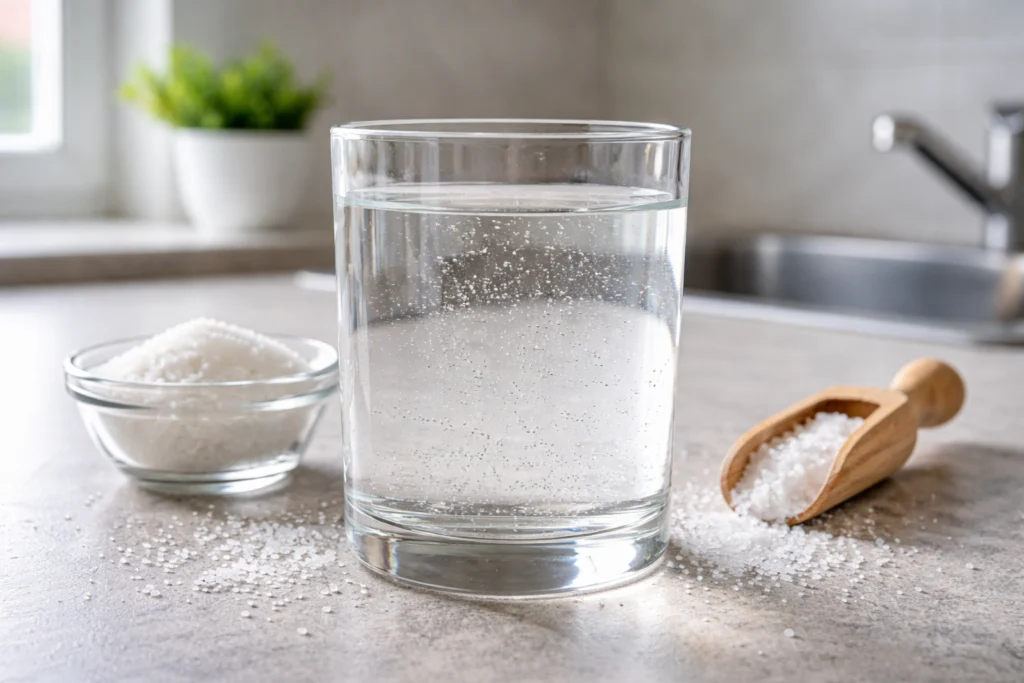
Does your drinking water taste salty or slightly bitter? This unusual taste can make water unpleasant to drink and may indicate dissolved minerals or contamination in your water supply. Understanding the cause helps you take the right steps to improve water quality.
What Causes Salty Taste in Water?
A salty taste in water occurs when dissolved minerals and salts are present in higher concentrations. These substances alter the natural taste of water and can vary depending on the water source and treatment methods.
Main Reasons Your Water Tastes Salty
1. High Sodium Content
Excess sodium in water is one of the most common causes of a salty taste. This can occur naturally in groundwater or due to water treatment systems.
2. Water Softener Systems
Water softeners replace calcium and magnesium with sodium, which can sometimes lead to a noticeable salty flavor.
3. High Chloride or Sulfate Levels
Chloride and sulfate ions contribute to salty or bitter taste and are commonly found in certain water sources.
4. Seawater Intrusion (Coastal Areas)
In coastal regions, seawater can seep into groundwater, increasing salt content and affecting taste.
5. High TDS (Total Dissolved Solids)
Water with high TDS contains a mixture of dissolved minerals that can create a salty or metallic taste.
Types of Salty Taste and Their Meaning
| Taste Type | Cause | Solution |
|---|---|---|
| Salty | Sodium, chloride | RO filtration |
| Bitter-salty | Sulfates | Ion exchange |
| Metallic-salty | High TDS | Advanced filtration |
How to Fix Salty Water Taste
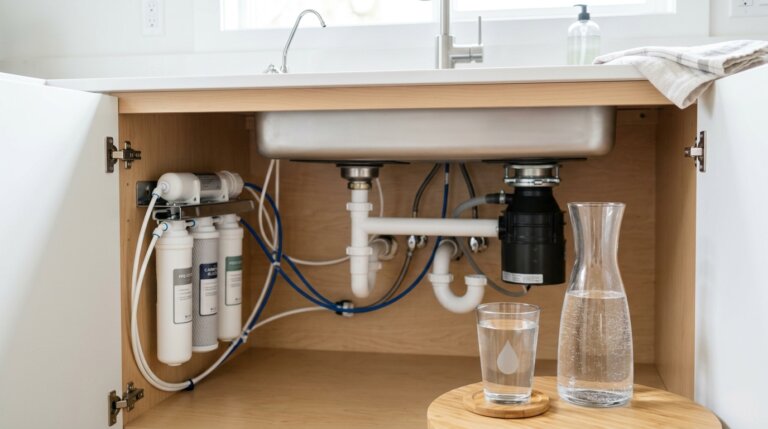
- Install a reverse osmosis (RO) system
- Check and adjust water softener settings
- Test water for TDS and mineral content
- Use activated carbon filters for taste improvement
- Flush plumbing system regularly
Natural vs Advanced Solutions
| Method | Effectiveness | Best For | Cost |
|---|---|---|---|
| Boiling | Low | Temporary taste change | Low |
| RO / Filtration | High | Long-term solution | Medium |
Is Salty Water Safe to Drink?
Slightly salty water is usually not harmful, but high sodium levels can be a concern for people with health conditions like high blood pressure. It’s best to test and treat water if the taste is strong.
FAQs
Why does my tap water taste salty suddenly?
It could be due to changes in water source, softener settings, or increased mineral content.
Can boiling remove salty taste?
No, boiling does not remove dissolved salts.
What filter removes salt from water?
Reverse osmosis (RO) systems are most effective for removing salts.
Is salty water bad for health?
High sodium water may not be suitable for people with certain health conditions.
Conclusion
Salty-tasting water is usually caused by high levels of dissolved minerals like sodium and chloride. While it may not always be harmful, improving water quality through proper testing and filtration ensures better taste and long-term health safety.