How Much Is a Water Softener? Full Cost Breakdown (2026)
Updated on | Water softening systems & pricing (U.S.)
Quick Answer: A typical home water softener costs $600 to $2,500 installed in the U.S. Basic portable units start around $400, mid-range salt-based systems run $800–$1,500 for the unit, and premium dual-tank or whole-house systems can exceed $3,000+ with installation. Most homeowners spend about $1,500 all-in.
- System-only cost: $400–$3,500+
- Professional installation: $300–$800
- Ongoing maintenance: $50–$200 per year
- Cost over 10 years: roughly $2,000–$4,500 including salt & servicing
A water softener removes the calcium and magnesium minerals that make water “hard,” protecting your appliances, plumbing, skin, and hair from scale buildup. But prices vary widely depending on the type of system, your home size, your water hardness level, and whether you install it yourself. This guide breaks down exactly what a water softener costs in the U.S. in 2026 — so you know what to expect before you buy, and where you can save.
Not sure whether you even have hard water? Start with our guide on hard water vs soft water and the tell-tale effects hard water has on your skin and hair before spending a dollar.
Average Cost of a Water Softener
For most U.S. homes, the total cost ranges from $1,200 to $2,000 including equipment and professional installation. Smaller homes, apartments, and RVs may spend $500–$900 on a compact unit, while larger households with very hard water and high demand can spend $2,500–$4,000 for a high-capacity or dual-tank system.
Here’s a realistic breakdown of what different buyers actually pay:
| Household | Typical System | All-In Cost |
|---|---|---|
| Apartment / RV / 1–2 people | Portable or compact | $500 – $900 |
| Small home (2–3 people) | 32,000-grain salt-based | $1,000 – $1,600 |
| Average home (3–4 people) | 40,000-grain salt-based | $1,400 – $2,200 |
| Large home (5+ / very hard water) | Dual-tank / 64,000-grain | $2,500 – $4,000+ |
Types of Water Softeners & Prices
The type of system you choose is the single biggest factor in price. Here’s how the four main categories compare, and what each is best for. If you’re torn between salt-based and salt-free, our guide on how to fix hard water problems at home walks through which suits different situations.
| Type | Unit Price | Best Use |
|---|---|---|
| Salt-Based Ion Exchange | $600 – $2,500 | Most common; truly softens hard water by removing minerals. |
| Salt-Free Water Conditioner | $800 – $3,000 | Mild hardness; reduces scale without removing minerals; low maintenance. |
| Dual-Tank High-Capacity | $1,500 – $3,500+ | Large homes or 24/7 soft water with no downtime during regeneration. |
| Portable / Compact Units | $400 – $1,000 | RVs, apartments, or small setups. |
Salt-Based vs Salt-Free: Which Should You Pay For?
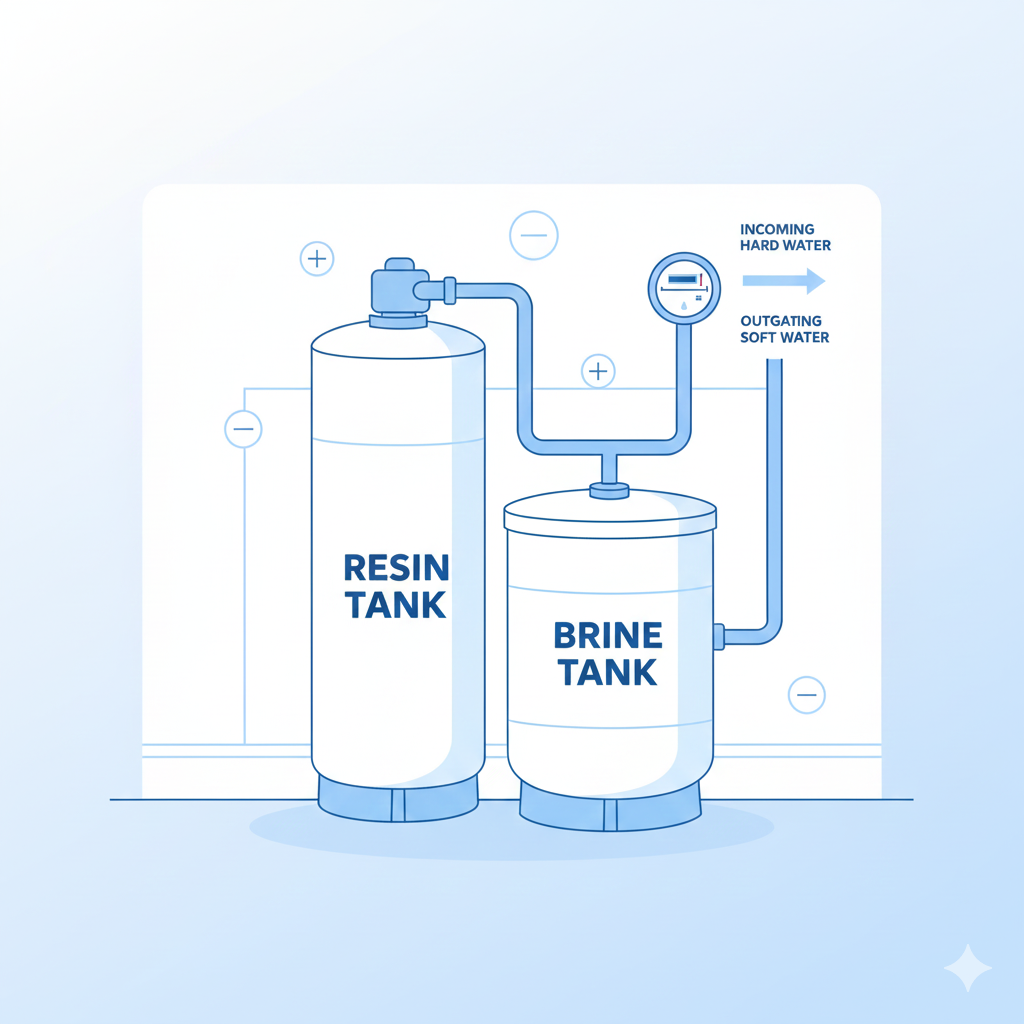
This is the most common decision point. Salt-based ion-exchange softeners are the only systems that truly soften water — they swap calcium and magnesium for sodium, eliminating scale completely. They cost less upfront but need salt refills and a drain line. Salt-free conditioners don’t remove minerals; they crystallize them so they don’t stick to surfaces. They need almost no maintenance and waste no water, but on very hard water they’re noticeably less effective. As a rule: choose salt-based for hardness above 7 grains per gallon, and consider salt-free only for mild hardness or if you’re on a sodium-restricted supply.
If you go salt-based, your ongoing cost depends heavily on the salt you buy — see our guide to the best water softener salt and how much to use.
Popular U.S. Brands & What They Cost
Brand and warranty have a real impact on price. Here’s a general sense of where the major U.S. brands sit — prices are for the unit only and shift with capacity and retailer.
| Brand | Typical Unit Price | Known For |
|---|---|---|
| Whirlpool | $500 – $900 | Budget-friendly, widely available at Lowe’s. |
| GE | $500 – $1,000 | Reliable mid-range, easy DIY install. |
| Rheem / RHEEM Preferred | $700 – $1,400 | Wi-Fi monitoring, leak detection. |
| Culligan | $1,000 – $2,800 (often dealer-installed) | Premium, full-service, strong warranty. |
| Kinetico | $1,500 – $3,500+ | Non-electric dual-tank, top-tier longevity. |
Dealer-installed brands like Culligan and Kinetico bundle the unit, installation, and service into one price, which is why their quotes look higher — you’re paying for hands-off convenience and a strong warranty rather than just the hardware.
Installation Costs
Professional installation typically costs $300–$800 in the U.S., though complex jobs can run higher. A plumber usually needs 2–4 hours. Costs increase depending on:
- Plumbing complexity and any pipe or loop upgrades needed
- Distance from the water main and a nearby drain
- Whether an old softener needs removal and disposal
- Local labor rates (urban areas and coastal states run higher)
- Whether a new electrical outlet or bypass valve is required
DIY installation can save the entire $300–$800 labor cost if you’re comfortable with basic plumbing and soldering or push-fit connections. Many homeowners with a pre-plumbed softener loop can install a unit in 2–3 hours.
Factors That Affect the Cost
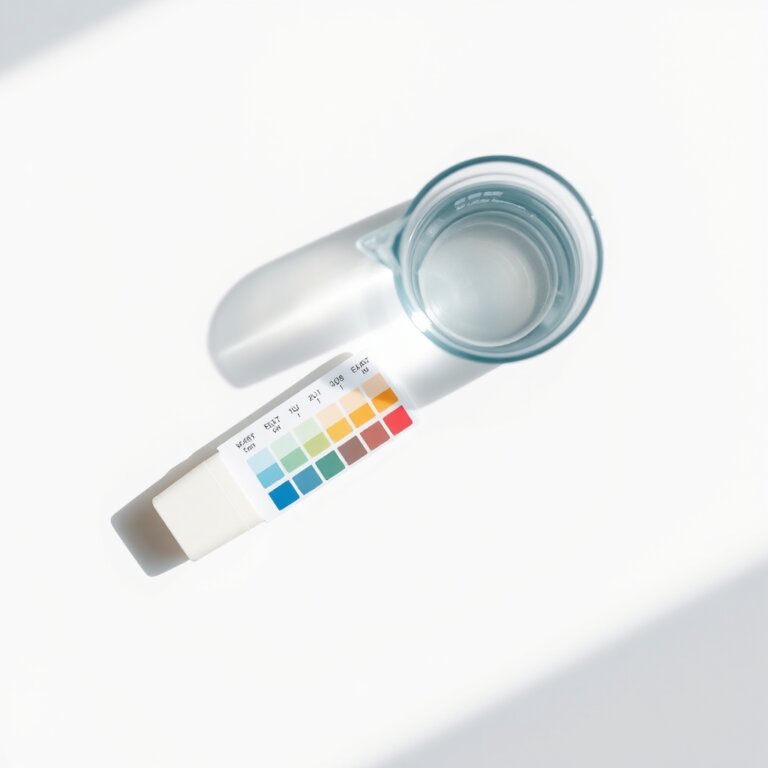
- Water hardness level: Harder water (measured in grains per gallon) needs a larger-capacity system. Test your water first — our guide on how to remove hardness from water explains how to read your hardness number.
- Grain capacity: Sized to your household; a 4-person home with hard water usually needs 40,000+ grains. Bigger capacity = higher price but less frequent regeneration.
- Brand & warranty: Premium warranties (10-year+) add cost but improve long-term value.
- Digital features: Smart monitoring, metered regeneration, and Wi-Fi controls add $100–$400 but cut salt and water waste over time.
- Whole-house vs point-of-use: Whole-house systems cost more but protect every appliance and fixture.
Maintenance & Ongoing Costs
The sticker price isn’t the whole story — budget for these recurring costs over the system’s life:
- Salt refills: $5–$15 per month for salt-based units ($60–$180/year).
- Filter replacements: $50–$150 per year for salt-free systems with a pre-filter.
- Annual servicing: $100–$200 for an optional professional tune-up.
- Resin replacement: every 10–15 years ($200–$500), often the only major repair a quality unit ever needs.
- Water & electricity: salt-based units use some water and a small amount of power to regenerate — usually a few dollars a month.
Is a Water Softener Worth the Cost?
For homes with genuinely hard water, a softener usually pays for itself over time. Hard water shortens the life of water heaters, dishwashers, and washing machines, clogs pipes with scale, and forces you to use more soap and detergent. The U.S. Geological Survey estimates a large share of American homes have moderately hard to very hard water, so this isn’t a niche problem.
Typical payback comes from: longer appliance lifespan, up to ~30% less soap and detergent, no more scale removal, softer skin and hair, and spotless dishes and fixtures. If you’re constantly fighting scale in your kettle and pipes or spots on dishes and stains on laundry, the math usually favors softening.
How to Save Money on a Water Softener
- Size it correctly: oversizing wastes money; undersizing wears out the resin faster. Match grain capacity to your hardness and household size.
- DIY the install: if you have a softener loop, self-installing saves $300–$800.
- Buy the unit separately: retail units from Whirlpool, GE, or Rheem often cost far less than dealer-bundled systems for similar performance.
- Choose metered regeneration: it regenerates based on usage, not a timer, cutting salt and water waste.
- Buy salt in bulk: see our water softener salt guide to avoid overpaying or buying the wrong type.
Related Guides
- Hard Water vs Soft Water: Differences & Which Is Better
- How to Fix Hard Water Problems at Home
- How to Remove Hardness From Drinking Water
- Best Water Softener Salt: Types & How Much to Use
- Hard Water Effects on Skin and Hair
FAQs
What is the cheapest water softener?
- Portable and compact units start around $400, making them the most affordable option for RVs and apartments.
How long does a water softener last?
- Most systems last 10–15 years with regular servicing; quality dual-tank units can last 20+.
Is DIY installation possible?
- Yes, if you have plumbing experience and a softener loop. Otherwise, professional installation is recommended.
How much does it cost to run a water softener per year?
- Expect roughly $60–$200 per year for salt, water, and electricity combined for a salt-based system.
Does a water softener add sodium to my water?
- Salt-based softeners add a small amount of sodium. For very hard water it’s still modest, but those on low-sodium diets can use potassium chloride instead or add a reverse-osmosis tap for drinking.