
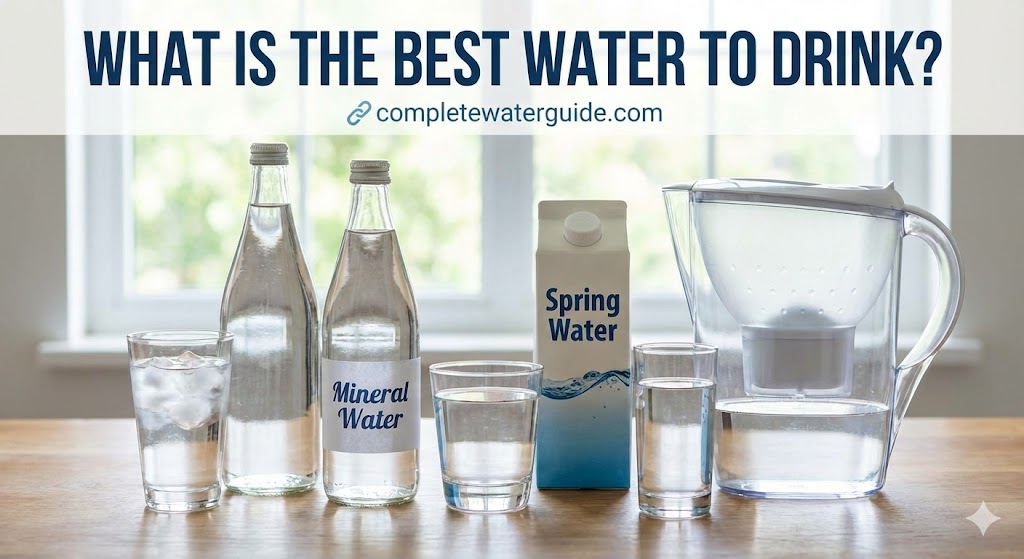
What Is the Best Water to Drink? Ranked Guide
What is the best water to drink? Natural spring water and filtered tap water rank highest for daily hydration, while distilled and alkaline water…
Read full guideEmily Carter is a health and nutrition writer covering hydration science, water contamination, and preventive health. She reviews the medical and health claims published on Complete Water Guide, checking them against primary sources such as EPA, CDC, FDA and peer-reviewed research before they go live. Her focus is translating dense water-quality and hydration research into clear, practical guidance that a household can actually act on.
What is the best water to drink? Natural spring water and filtered tap water rank highest for daily hydration, while distilled and alkaline water…
Read full guide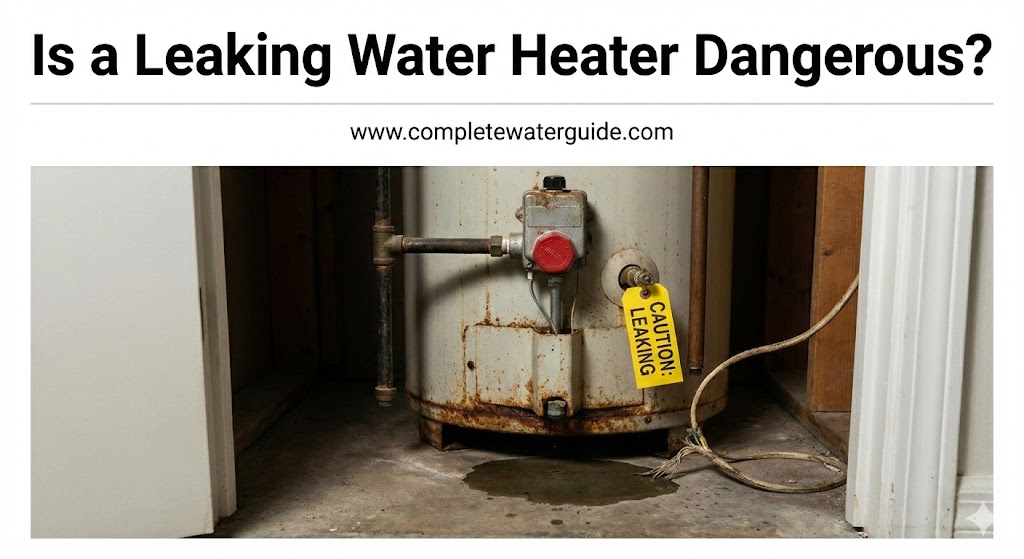
Is a leaking water heater dangerous? Yes, it can risk explosion from a faulty T&P valve, electrocution, and scalding. How to diagnose the leak…
Read full guide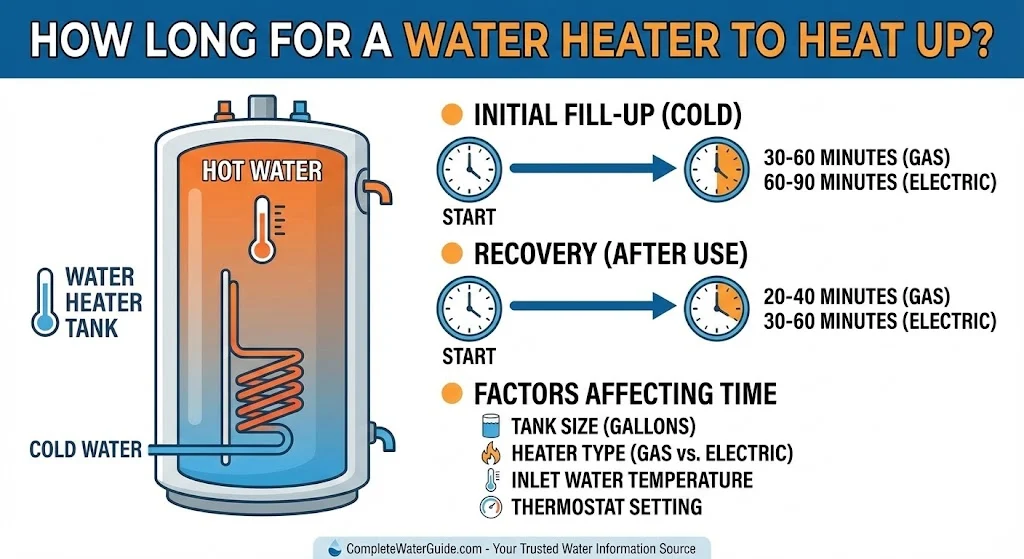
How long does a water heater take to heat up? A gas tank takes about 30-40 minutes and an electric one 60-80 minutes, while…
Read full guide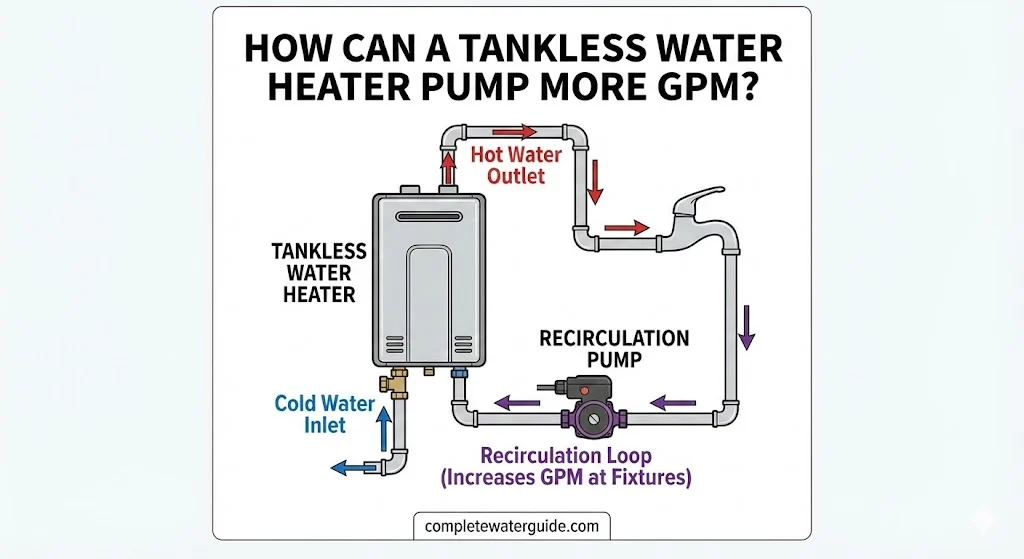
How can a tankless water heater pump more GPM? Lower the output temperature to cut temperature rise, descale the unit, add a second heater…
Read full guide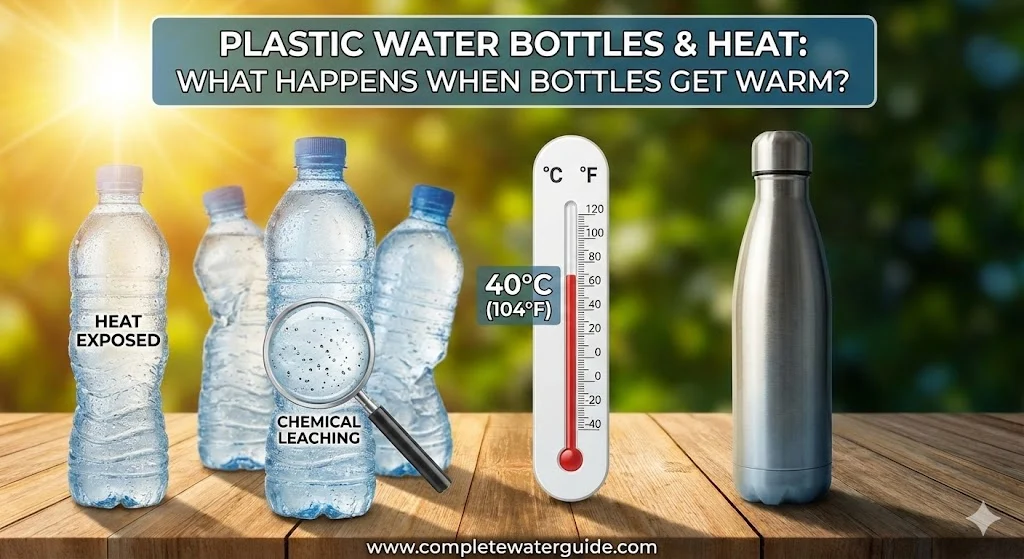
What happens when plastic water bottles get warm? Heat makes chemicals like antimony leach up to 40x faster and lets bacteria multiply. Why you…
Read full guide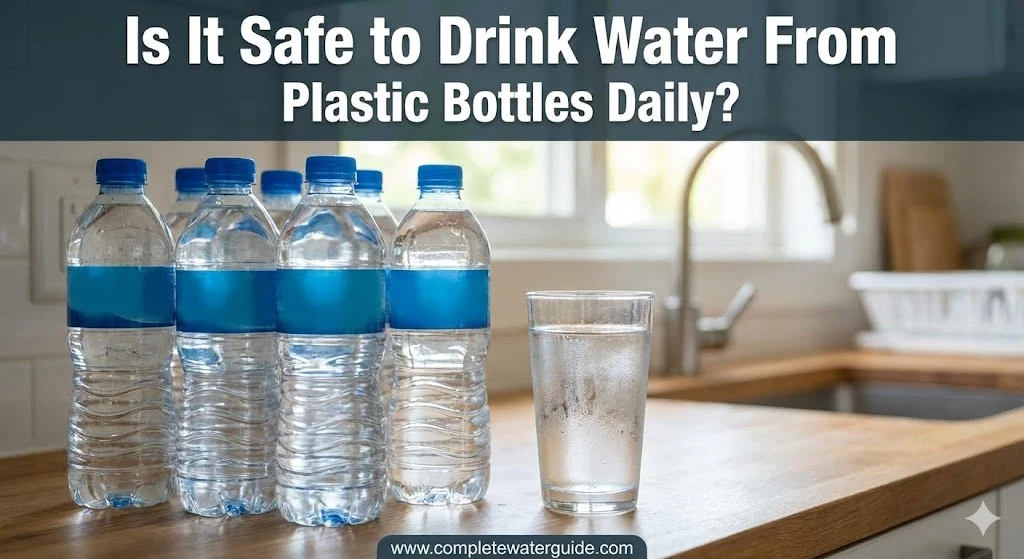
Is it safe to drink water from plastic bottles daily? Occasional use is fine, but daily use raises microplastic, chemical-leaching, and bacteria risks. Safer…
Read full guide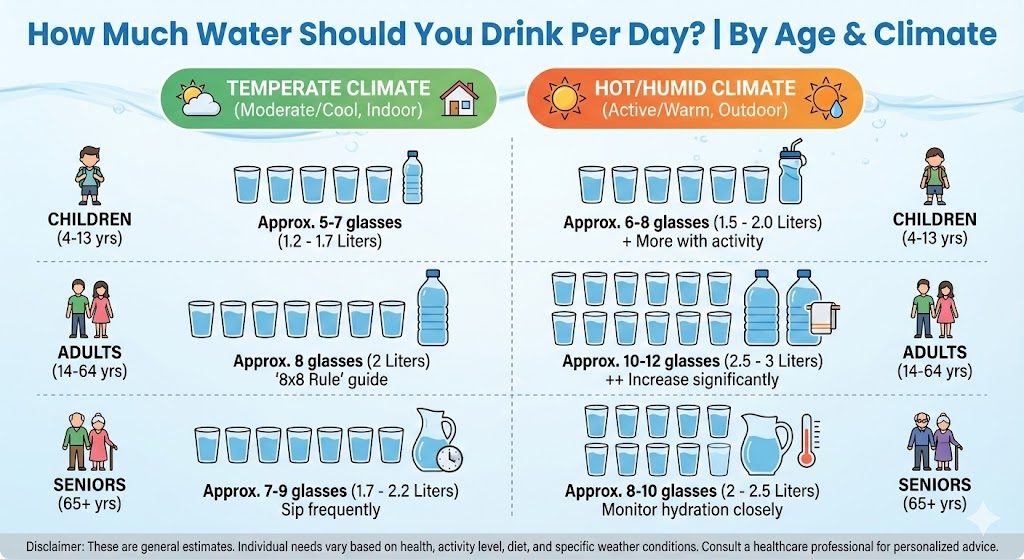
How much water should you drink per day? Most adults need about 2.7-3.7 liters of total water daily from all sources, more with heat,…
Read full guide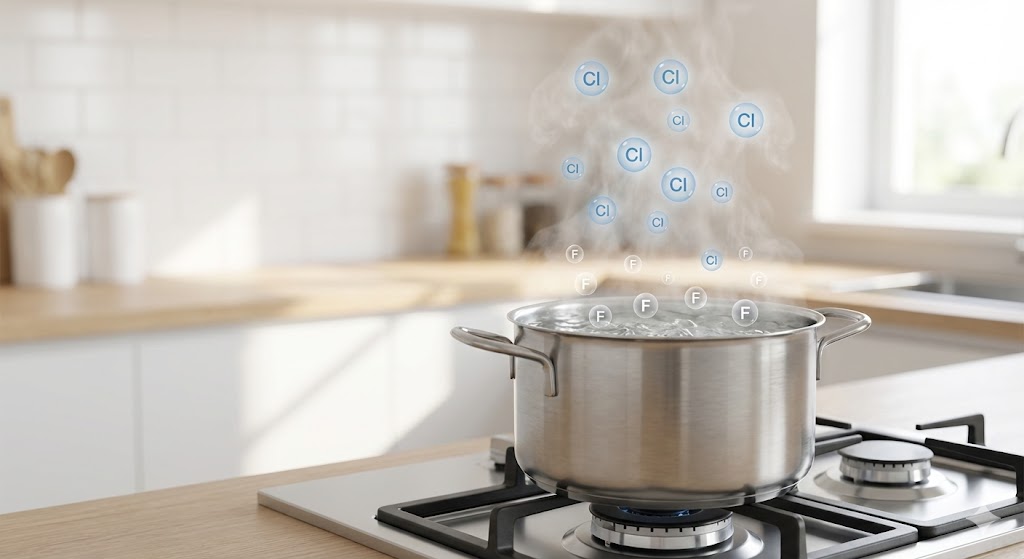
Does boiling water remove chlorine or fluoride? Boiling evaporates free chlorine but not chloramine, and it doesn't remove fluoride (it can even concentrate it).…
Read full guide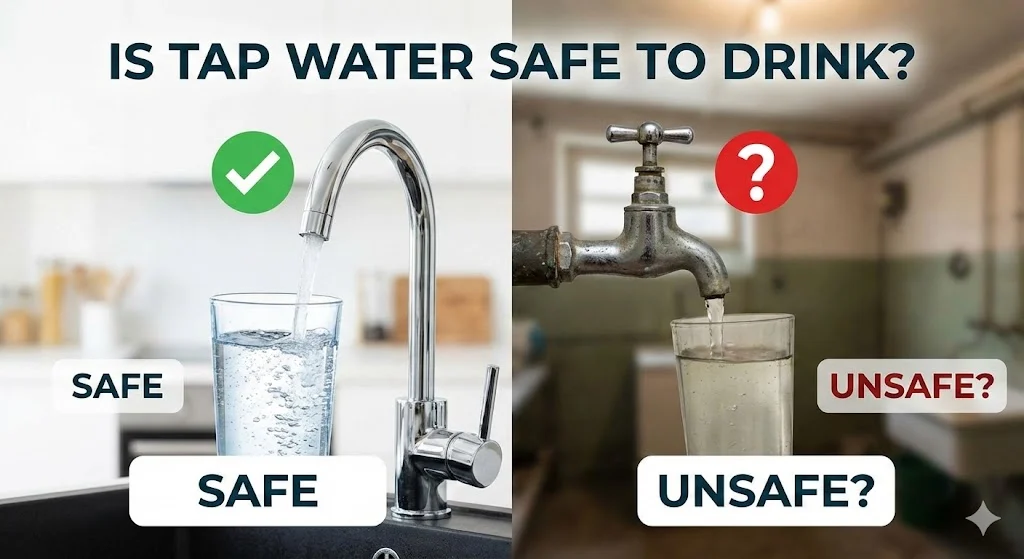
Is tap water safe to drink? In the US, EPA-regulated public water is generally safe, but lead pipes, PFAS, and local contamination vary the…
Read full guide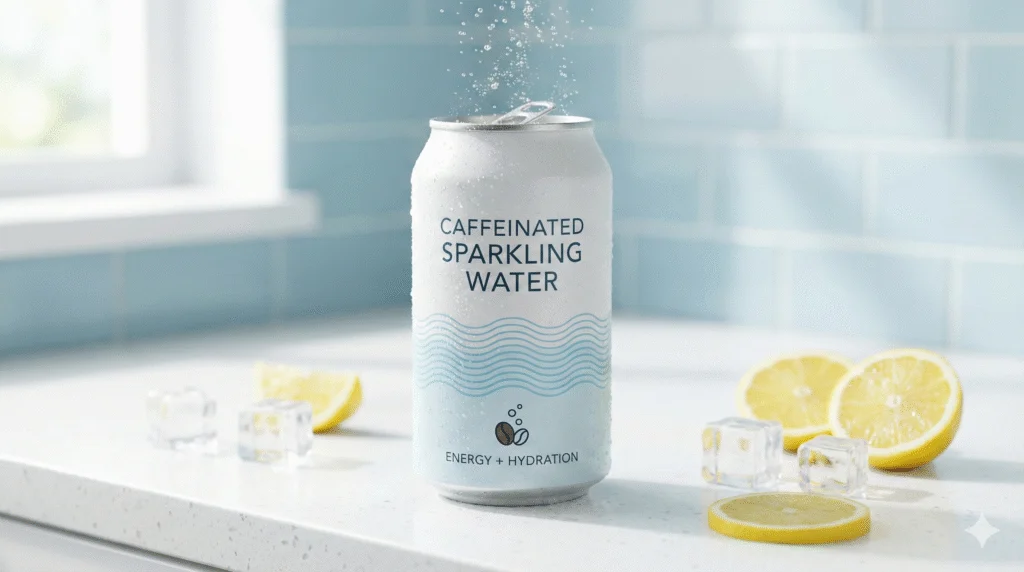
Is caffeinated sparkling water good for you? It adds 30-75mg of caffeine to zero-calorie carbonated water for a light energy boost, cleaner than soda…
Read full guide