
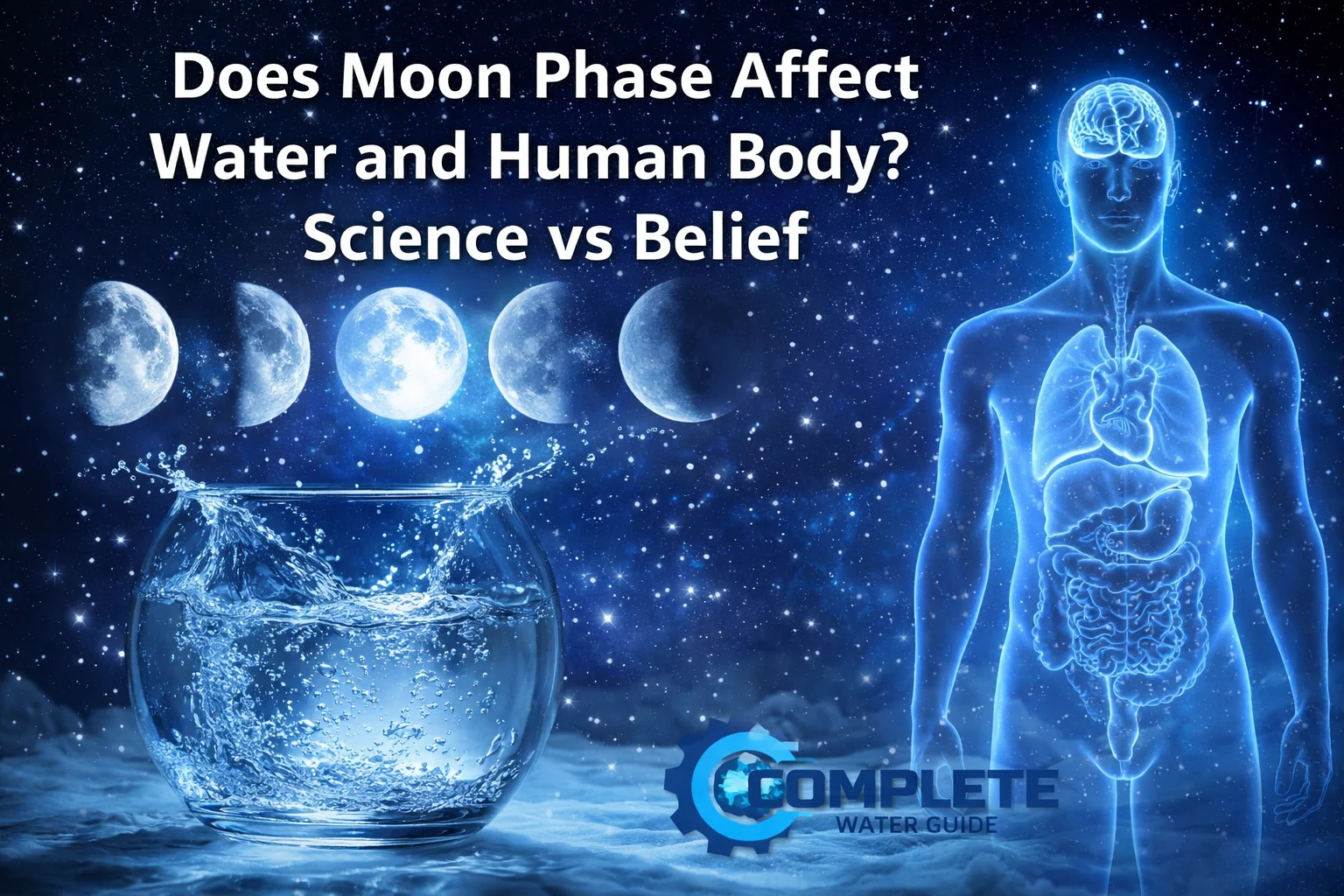

1. How the Moon Affects Water
The Moon’s gravitational pull has a powerful effect on Earth’s oceans, creating tides.
What happens?
- Water is pulled toward the Moon → High tide
- Opposite side also forms a high tide
- Occurs daily across oceans worldwide
Strongest during:
- Full Moon
- New Moon
This is called spring tide, when gravitational forces are strongest.
2. Does the Moon Affect the Human Body?
The human body is made up of about 60% water — but this does not mean it behaves like oceans.
Scientific explanation:
- Human body water is contained in cells
- Gravity effect is extremely weak at individual level
- No consistent scientific proof of lunar influence
3. Common Beliefs About Moon Phases
Many cultural beliefs exist about the Moon’s effect on humans:
- Full moon increases emotions
- Sleep disturbances during full moon
- Higher hospital visits
- Strange human behavior (“lunacy”)
However, most of these are based on tradition, not scientific evidence.
4. Science vs Belief
| Belief | Scientific Reality |
|---|---|
| Moon controls human emotions | No scientific evidence |
| Full moon causes sleep problems | Weak or inconsistent evidence |
| Moon affects body fluids | Effect is too small to matter |
| Moon controls ocean tides | Scientifically proven |
5. Final Verdict
The Moon has a clear and powerful effect on Earth’s oceans due to gravity. However, its influence on the human body remains largely unproven. While beliefs about moon phases affecting behavior continue to exist, science does not support these claims.
Frequently Asked Questions
Does the moon affect human behavior?
No strong scientific evidence supports this claim.
Why does the moon affect tides?
The Moon’s gravity pulls ocean water, creating tides.
Can moon phases affect sleep?
Some studies suggest minor effects, but results are not consistent.
