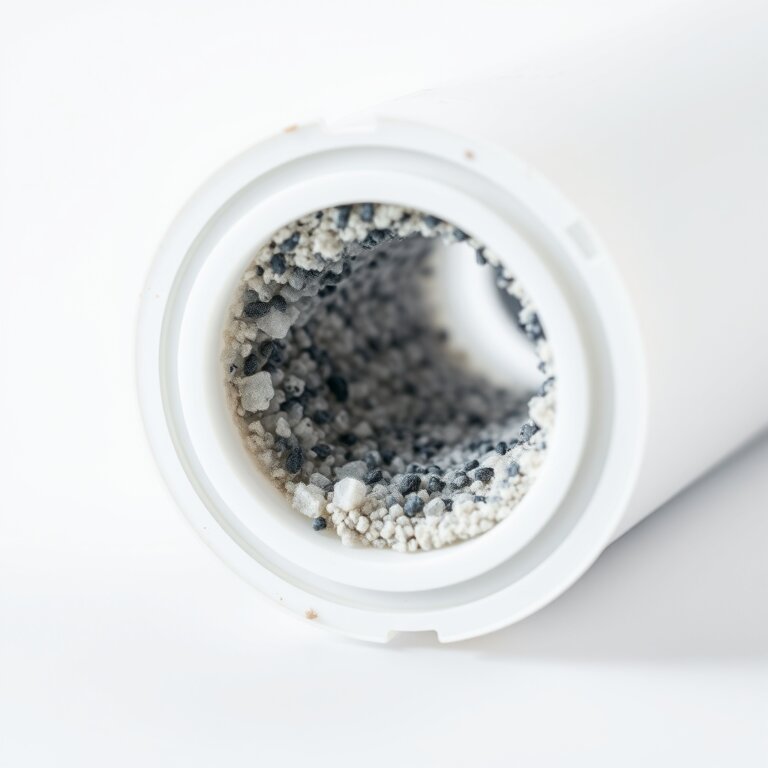

If you’ve lifted your toilet tank lid and found a slimy orange or reddish-brown gunk, you’re likely dealing with iron bacteria — one of the most misunderstood well water problems. The slime clogs pipes, stains fixtures, and creates a swampy smell. The good news: it’s not a health hazard, and it’s treatable. This guide explains how to identify iron bacteria, how it differs from regular iron, and exactly how to get rid of it.
What Are Iron Bacteria?
Iron bacteria are naturally occurring microorganisms found in soil and groundwater. Unlike harmful pathogens, they aren’t out to make you sick — instead, they use dissolved iron (and sometimes manganese) as an energy source. As they feed and multiply, they produce a sticky, reddish-brown byproduct called biofilm.
This biofilm is the real problem. It coats well casings, pipes, pumps, and fixtures, clogging plumbing and reducing water flow over time. Because iron is common in groundwater across much of the U.S. — especially the Midwest, Southeast, and Appalachia — iron bacteria are a frequent headache for private well owners.
Signs You Have Iron Bacteria
Iron bacteria leave distinctive clues you can usually spot with your own senses:
- Slimy orange, red, or brown buildup — most visible inside the toilet tank, on faucet aerators, and in pipes
- Musty, swampy, or fuel-like odor — often described as smelling like rotten vegetation or sewage
- Oily, rainbow sheen on the water’s surface
- Reddish stains and streaks around sinks, tubs, and drains
- Returning slime shortly after you clean it off — a key giveaway versus plain rust
- Clogging fixtures and dropping water pressure as biofilm builds up
Iron Bacteria vs Dissolved Iron: Key Difference
This is the distinction many homeowners — and even some water companies — miss, and it determines the right treatment.
| Feature | Dissolved Iron | Iron Bacteria |
|---|---|---|
| Appearance | Rust-colored staining | Slimy biofilm |
| Texture | Gritty / clear | Sticky, slimy |
| Smell | Metallic | Musty / swampy |
| Treatment | Iron filter / softener | Chlorination + filtration |
Many wells have both at once — dissolved iron feeds the bacteria — so effective treatment often means addressing both. For the iron side, see our guide on iron in well water and how to remove it.
Are Iron Bacteria Dangerous?
Iron bacteria themselves are not considered a health hazard — the EPA classifies them as a nuisance organism, not a disease-causing one. However, there’s one legitimate secondary concern: the biofilm they produce can shelter other, more harmful bacteria (like coliform) and protect them from chlorine disinfection. That’s why a well with iron bacteria should also be tested for coliform bacteria. The EPA’s private well resources recommend annual bacteria testing.
How to Get Rid of Iron Bacteria
1. Shock Chlorination (First Step)
Shock chlorination is the standard first treatment. It involves circulating a high concentration of chlorine through the entire well and plumbing system to kill existing bacteria and break down biofilm. It’s effective at knocking back colonies, but results are usually temporary — the bacteria often return if conditions stay favorable. Always follow safety guidelines, never mix chlorine with other chemicals, and flush thoroughly afterward. For severe infestations, a licensed well contractor may physically clean the casing first.
2. Continuous Chlorination (Long-Term Control)
For lasting control, an in-line chlorine injection system continuously doses the water as it enters the home, killing bacteria before they spread. It’s paired with a filter to remove the oxidized iron particles. This requires periodic chlorine refills but is the most reliable long-term solution for stubborn cases.
3. UV Disinfection (Low-Maintenance Option)
A UV disinfection unit installed after an iron filter kills bacteria with ultraviolet light, with no chemicals. UV is low-maintenance (just an annual bulb change) but requires the water to be filtered clear first, since particles and biofilm can shield bacteria from the light.
4. Pair With an Iron Filter
Because dissolved iron feeds the bacteria, removing the iron is part of the cure. An oxidizing iron filter ahead of your disinfection system removes the food source and the rust particles, making long-term control far more effective.
Preventing Iron Bacteria From Coming Back
- Maintain continuous disinfection (chlorine residual or UV) rather than relying on one-time shock treatment
- Remove the dissolved iron that feeds the bacteria with an iron filter
- Inspect and maintain the well cap and seal to keep surface bacteria out
- Disinfect any equipment that enters the well during repairs
- Test annually for iron, bacteria, and coliform to catch regrowth early
Frequently Asked Questions
What is the orange slime in my toilet tank?
Orange or reddish-brown slime in a toilet tank is almost always iron bacteria — microorganisms that feed on dissolved iron and produce a sticky biofilm. It’s a nuisance, not a health hazard, but it clogs plumbing and returns quickly after cleaning unless the water is treated at the source.
Are iron bacteria harmful to drink?
Iron bacteria are not directly harmful and are classified as a nuisance organism. The main concern is that their biofilm can shelter other bacteria like coliform, so a well with iron bacteria should also be tested for coliform and treated if needed.
How do you get rid of iron bacteria in a well?
Start with shock chlorination to kill existing colonies, then install continuous chlorination or a UV system (usually after an iron filter) to prevent regrowth. Shock treatment alone is temporary; lasting control requires ongoing disinfection plus removing the iron that feeds the bacteria.
Why does my well water smell musty or swampy?
A musty or swampy smell is a classic sign of iron bacteria, which produce odorous byproducts as they break down iron. If the smell is more like rotten eggs, that points to hydrogen sulfide instead, which needs a different treatment approach.
Will a water softener remove iron bacteria?
No. A water softener removes dissolved minerals through ion exchange but does nothing to kill iron bacteria, and the biofilm can actually foul the resin. Iron bacteria require chlorination or UV disinfection, not softening.
Related Guides
- Iron in Well Water: Signs & How to Remove It
- How to Test Your Water Quality at Home
- Best Water Filters for Home
- Best Water Softeners 2026
The Bottom Line
Iron bacteria are a frustrating but treatable well water problem. The slimy orange buildup isn’t dangerous to your health, but it clogs plumbing and can shelter harmful bacteria, so it’s worth addressing. Shock chlorinate to clear existing colonies, then keep them from returning with continuous chlorination or UV — and remove the dissolved iron that feeds them. Test annually, treat at the source, and you’ll keep your water clean and slime-free.