
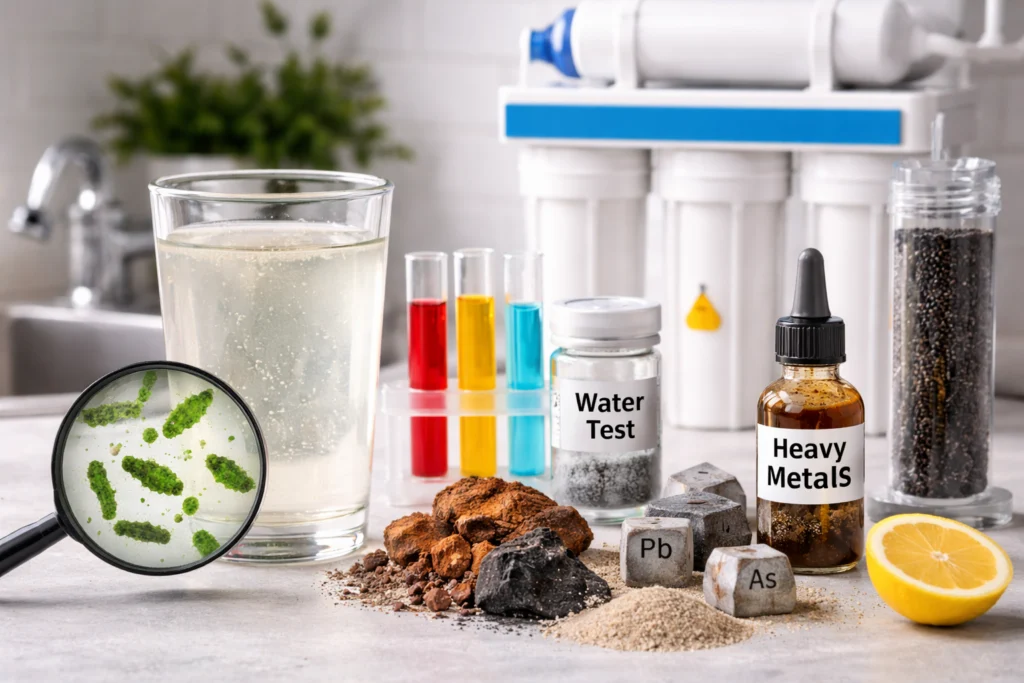
Common Drinking Water Contaminants and How to Remove Them
The most common drinking water contaminants, from bacteria and heavy metals to chlorine and sediment, and the best method to remove each, from RO…
Read full guide
The most common drinking water contaminants, from bacteria and heavy metals to chlorine and sediment, and the best method to remove each, from RO…
Read full guide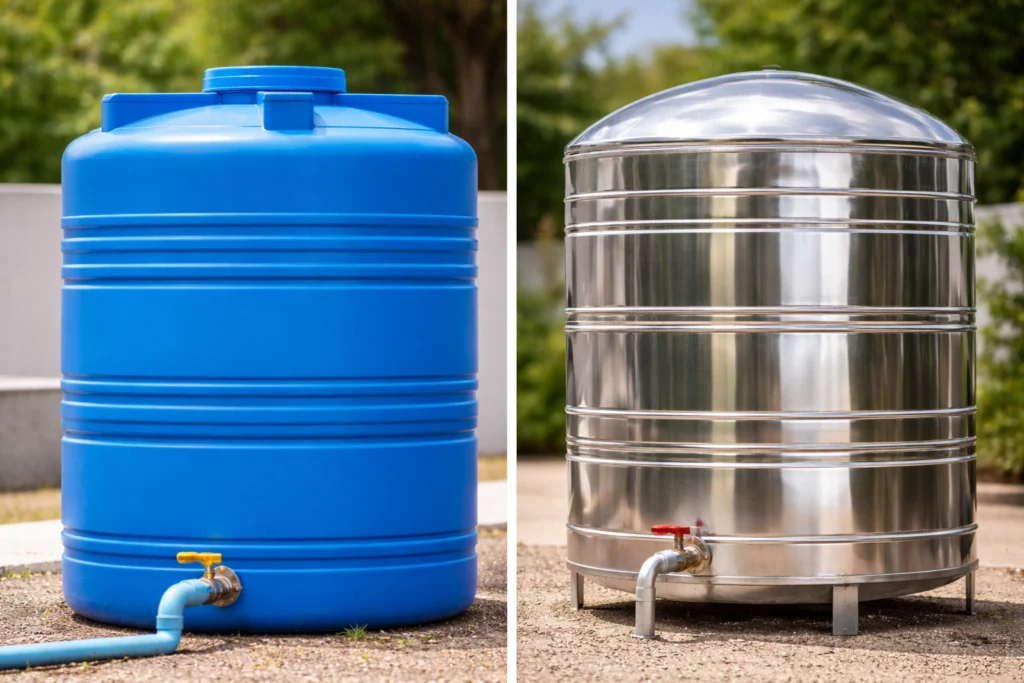
Plastic vs steel water storage: steel is more durable and non-reactive, while plastic is cheaper and lighter but can leach if low quality. Which…
Read full guide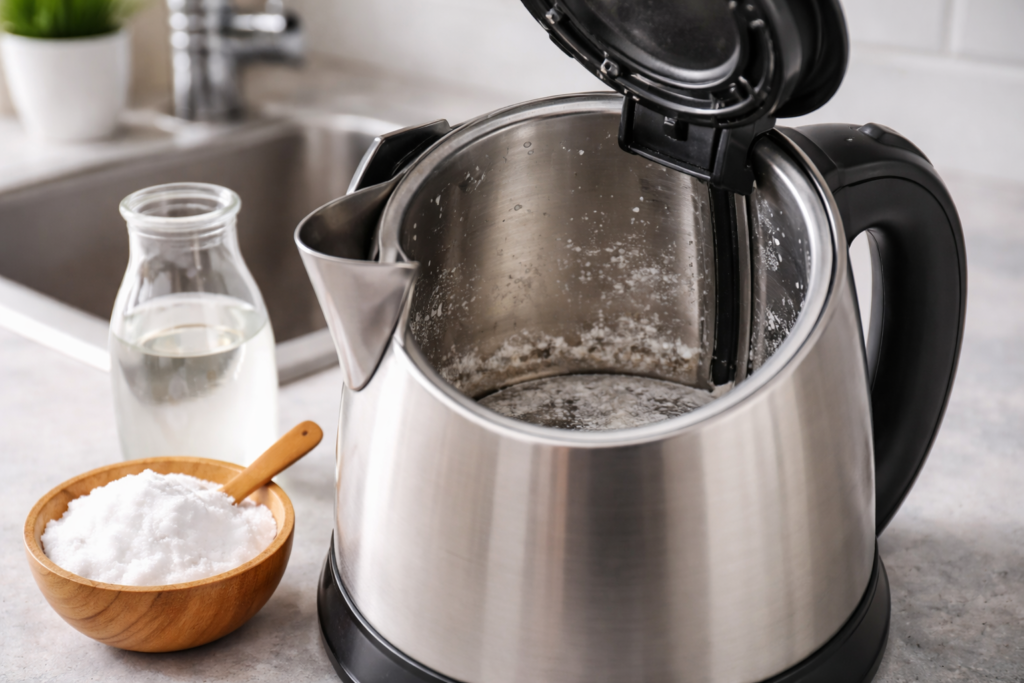
Why does water leave scale in your kettle or pipes? Hard water minerals like calcium and magnesium solidify when heated. What causes limescale and…
Read full guide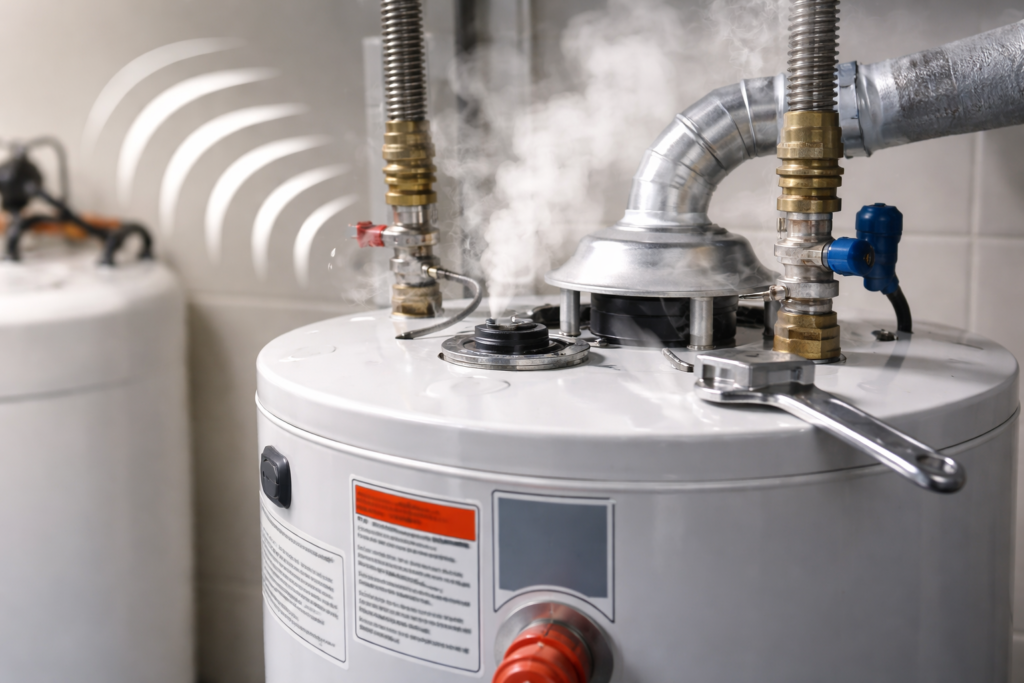
Why is your water heater making noise? Popping, rumbling, banging, and ticking sounds usually mean sediment buildup, trapped air, or pressure issues. What each…
Read full guide
Why is there air coming out of your faucet? Sputtering taps usually mean trapped air, plumbing leaks, faulty valves, or a supply interruption. What…
Read full guide
Why is your water making your skin dry? Hard water minerals, chlorine, high TDS, and hot showers strip natural oils. What causes the dryness…
Read full guide
How to fix bad taste in drinking water: identify whether it's chlorine, metallic, salty, or musty, then match the fix, from carbon filters and…
Read full guide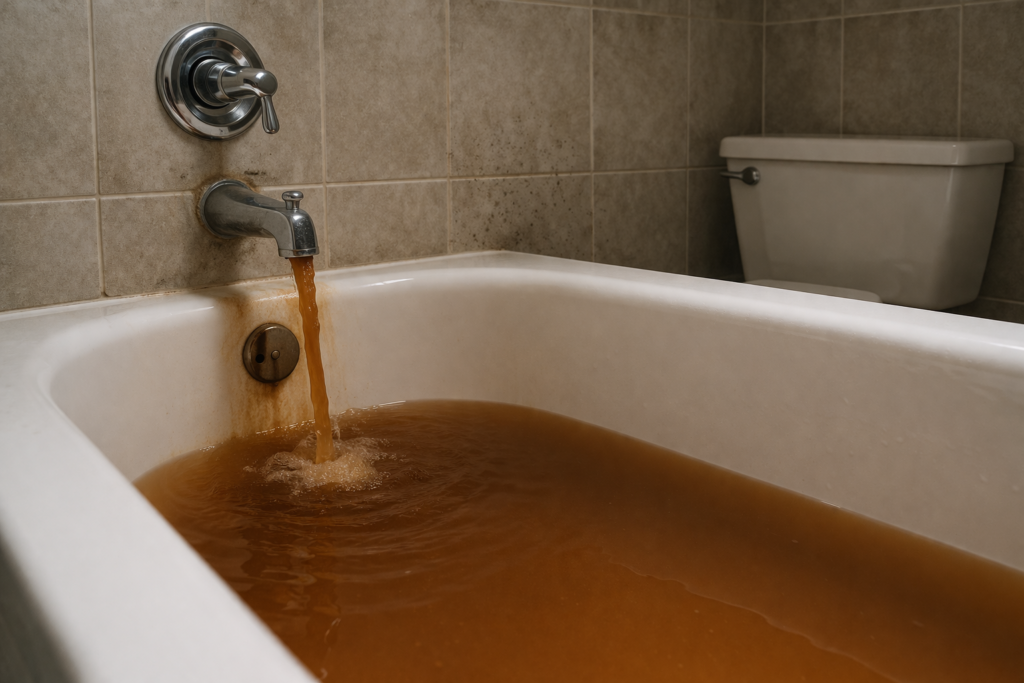
Why does your water heater produce rusty water? Brown hot water usually means tank corrosion, a worn anode rod, sediment buildup, or rusty pipes.…
Read full guide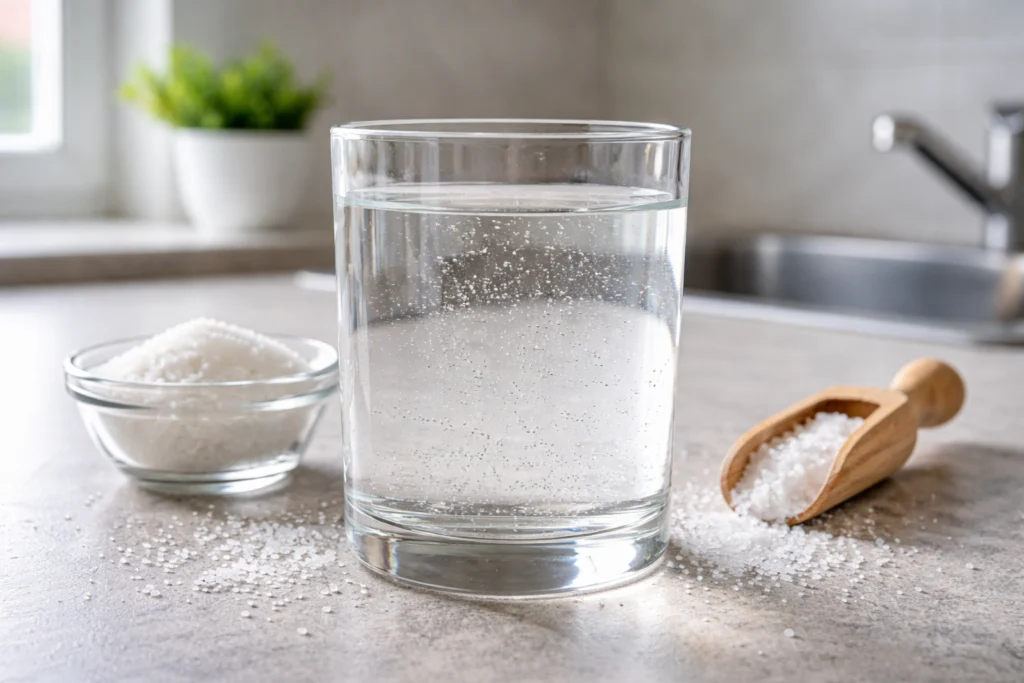
Why does your water taste salty? High sodium, chloride, sulfate, or TDS, plus water softeners and coastal seawater intrusion are common causes. How to…
Read full guide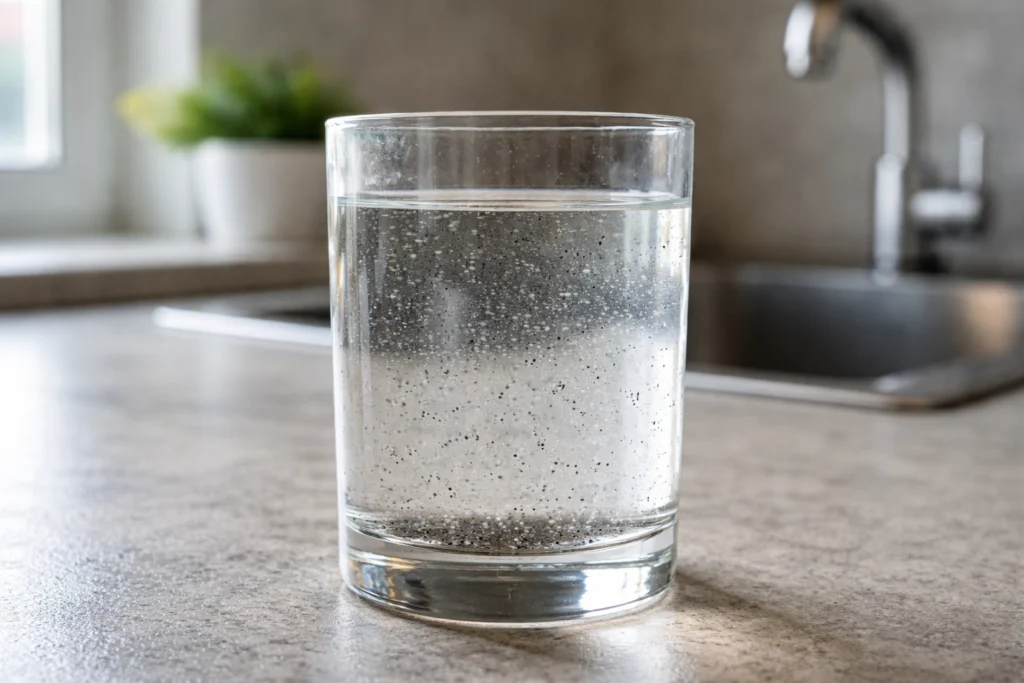
What causes black particles in tap water? Usually pipe corrosion, rubber washer breakdown, carbon filter residue, or sediment. How to identify each type and…
Read full guide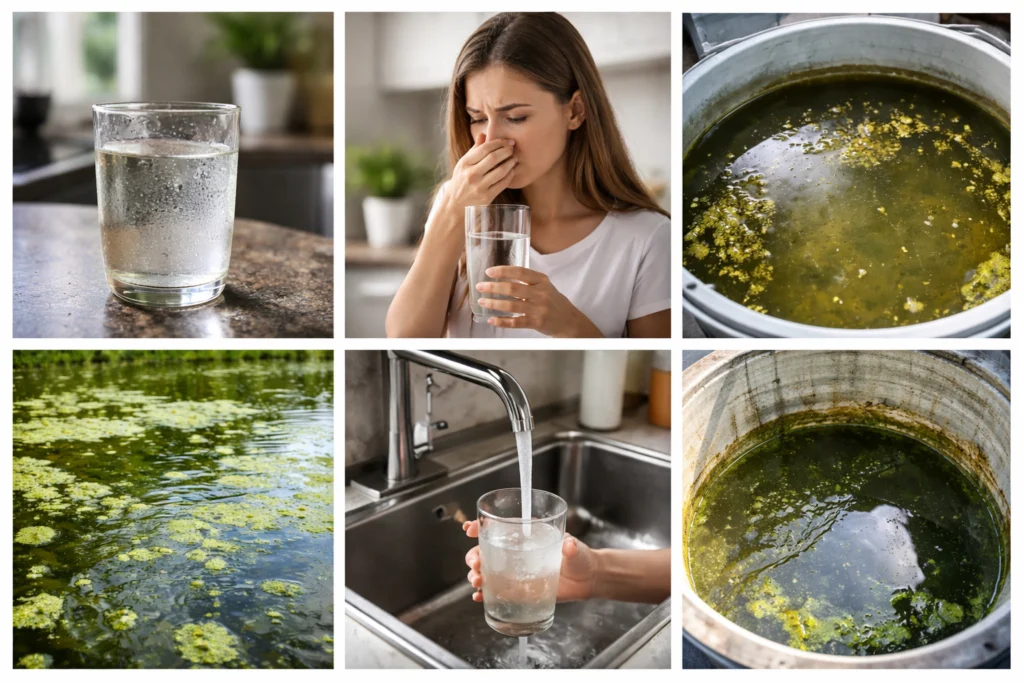
Why does your water smell musty or earthy? Usually geosmin, algae, bacteria, or decaying organic matter. What causes each odor and how to remove…
Read full guide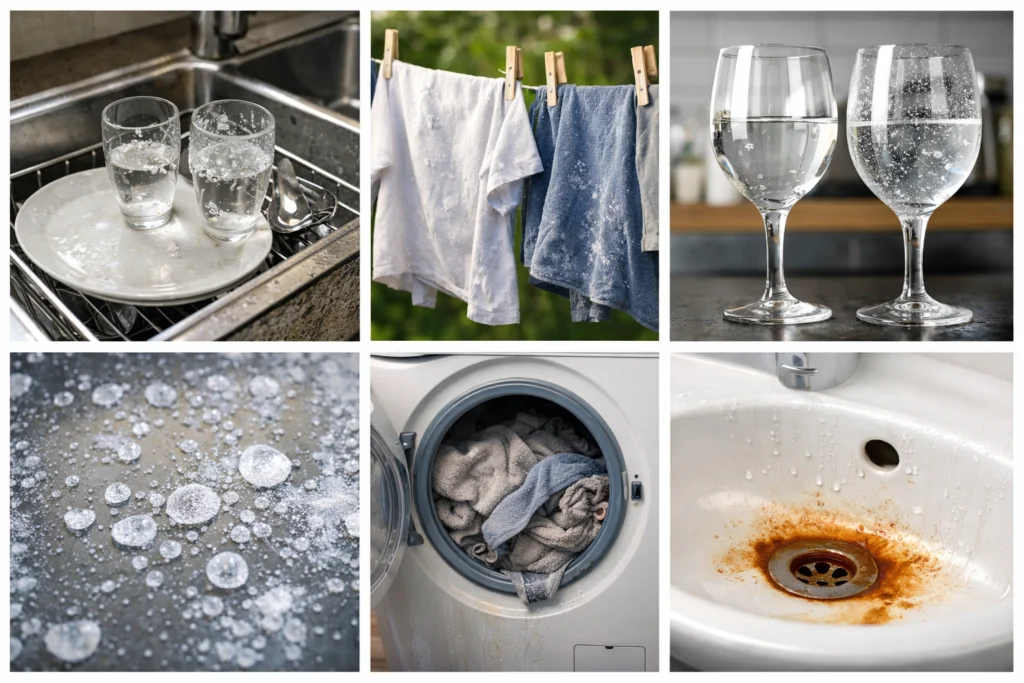
Why does your water leave stains on dishes and clothes? Hard water minerals, iron, high TDS, and detergent residue are the usual causes. What…
Read full guide
Signs your drinking water is contaminated: bad taste, unusual smell, cloudiness, discoloration, residue, and health symptoms. What each sign means and how to test…
Read full guide
What is the ideal TDS level for safe drinking water? 50-150 ppm is best and up to 300 ppm is good, while over 500…
Read full guide
How long can you store drinking water safely? Sealed, food-grade containers in a cool dark place last 6-12 months; opened water 1-3 days. Best…
Read full guide
How to remove hardness from drinking water: ion-exchange softeners for the whole house, reverse osmosis for drinking, plus washing soda and boiling. Effectiveness and…
Read full guide