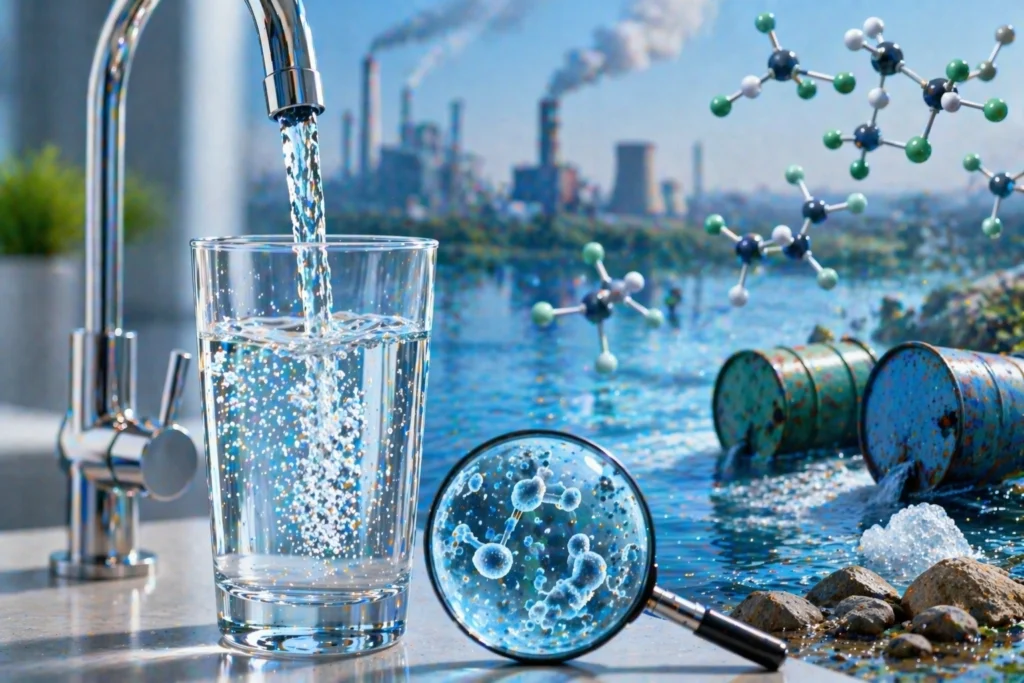
PFAS, often called “forever chemicals,” are a growing concern in drinking water worldwide. These synthetic compounds are highly persistent in the environment and can accumulate in the human body over time, raising serious health concerns.
What Are PFAS (Forever Chemicals)?
PFAS (Per- and Polyfluoroalkyl Substances) are a group of thousands of synthetic chemicals used in products like non-stick cookware, water-resistant fabrics, and food packaging. Their strong chemical bonds make them resistant to heat, water, and oil.
How PFAS Enter Drinking Water
- Industrial discharge and manufacturing waste
- Use of firefighting foam at airports and military sites
- Landfills and contaminated soil leaching into groundwater
- Household products breaking down over time
Why PFAS Are Dangerous
- They do not break down in the environment
- They accumulate in the human body over time
- Long-term exposure may lead to health risks
Health Effects of PFAS Exposure
- Weakened immune system
- Hormonal imbalances
- Increased risk of certain cancers
- Developmental issues in children
- Liver and kidney problems
How to Detect PFAS in Water
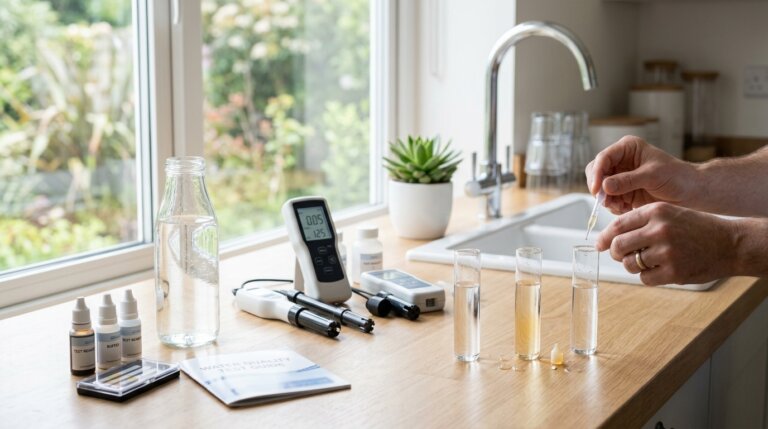
PFAS cannot be detected by taste, smell, or appearance. The only reliable way to identify them is through professional laboratory testing.
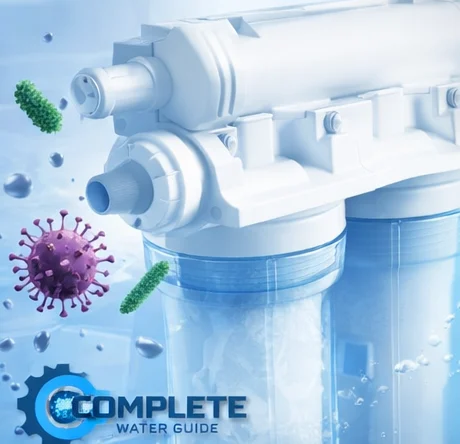
How to Remove PFAS from Drinking Water
| Method | Effectiveness |
|---|---|
| Activated Carbon Filter | High |
| Reverse Osmosis (RO) | Very High |
| Ion Exchange Systems | Moderate to High |
How to Protect Your Family
- Test your water regularly
- Install certified filtration systems
- Avoid products containing PFAS when possible
- Stay informed about local water quality reports
FAQs
What does PFAS stand for?
Per- and Polyfluoroalkyl Substances.
Can boiling remove PFAS?
No, boiling does not remove PFAS.
Are PFAS common in water?
Yes, they have been found in many water sources globally.
Which filter removes PFAS best?
RO systems and activated carbon filters are most effective.
Conclusion
PFAS contamination is a serious issue due to its persistence and potential health effects. Understanding how these chemicals enter water and how to remove them can help you take the right steps to protect your drinking water and your family’s health.