Last updated:
Mineral water and sparkling water both give you refreshing bubbles. Still, they are not the same. Mineral water comes from protected springs and carries natural minerals. By contrast, sparkling water is simply water with dissolved carbon dioxide; it may or may not contain minerals. In short, they hydrate similarly, but taste, mineral content, and use cases differ. Below you’ll find a clear, easy guide to help you pick the right option.
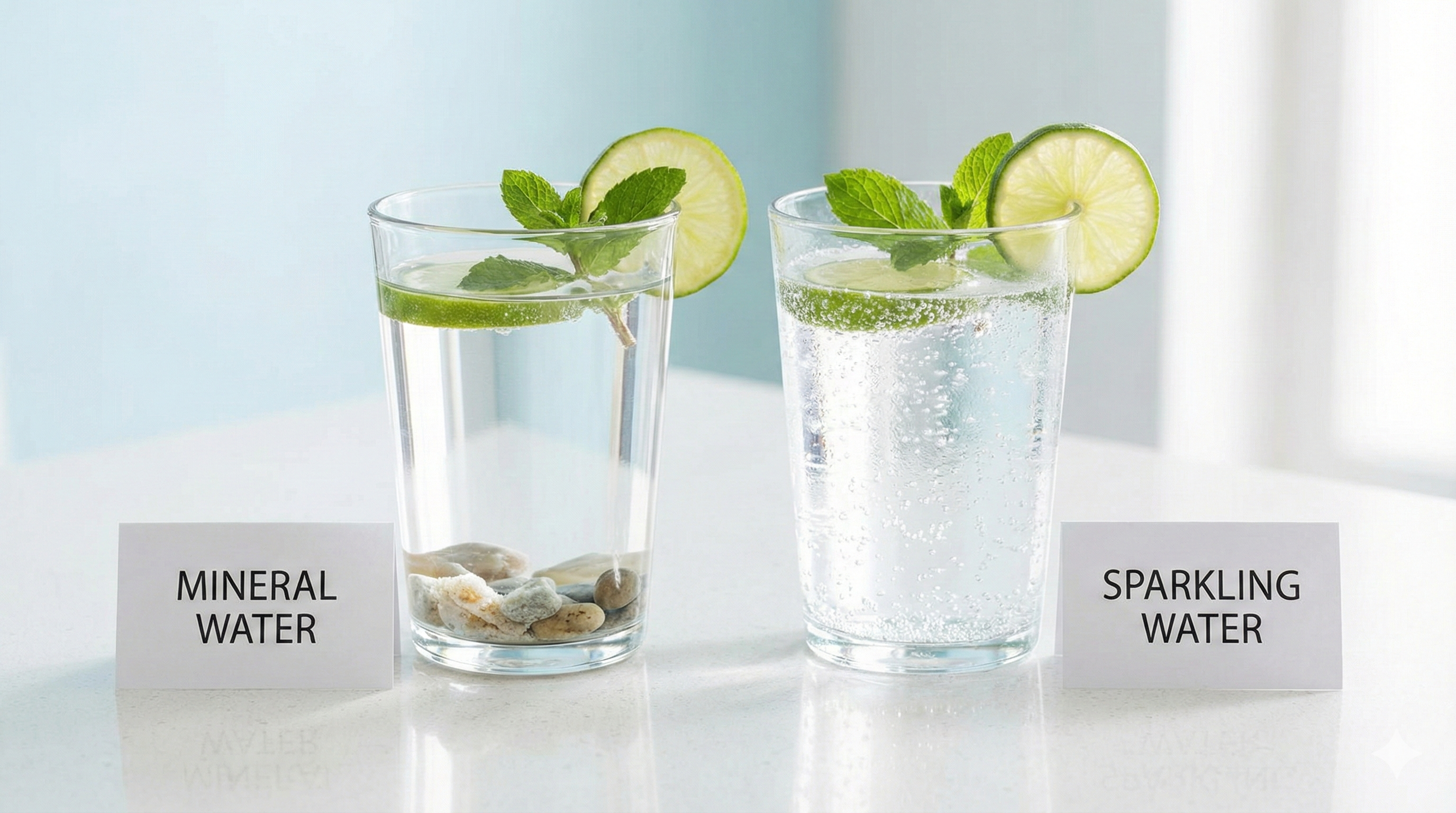
 Mineral water vs sparkling water comparison” />
Mineral water contains natural minerals from springs and often tastes richer. Meanwhile, sparkling water is carbonated water sometimes mineral, sometimes filtered water with CO₂ added. Both hydrate well; mineral water adds electrolytes.
- Mineral water: natural minerals, may be naturally carbonated.
- Sparkling water: carbonated water (natural or artificial).
- Taste: mineral = fuller; sparkling = cleaner bubbles.
What is Mineral Water?
Mineral water is spring water drawn from protected underground sources. As it moves through rock, it picks up minerals such as calcium, magnesium, and bicarbonate. Therefore, mineral water has a stable mineral profile that defines its flavor.
Key characteristics
- Natural mineral content (not added later).
- May be naturally carbonated or have CO₂ added before bottling.
- Often labeled with mineral concentrations (e.g., mg/L of calcium).
- Usually sourced from protected springs often in Europe but also worldwide.
What is Sparkling Water?
Sparkling water simply means water with dissolved carbon dioxide (CO₂). It can be:
- Naturally carbonated from a spring, or
- Artificially carbonated by injecting CO₂ into filtered water.
As a result, some sparkling brands are mineral waters (like San Pellegrino), while others are flavored seltzers or filtered water with fizz.
Key Differences
| Feature | Mineral Water | Sparkling Water |
|---|---|---|
| Source | Protected springs | Spring or filtered water |
| Mineral content | High, natural | Low or none (varies) |
| Carbonation | Often natural; sometimes boosted | Always carbonated (natural or added) |
| Best for | Mineral intake, digestion, pairing with food | Soda replacement, mixers, everyday fizz |
Health Comparison
Hydration
Both types hydrate just as well as plain water. Studies show carbonation does not reduce hydration. Therefore, pick the one you will drink more of.
Electrolytes & Minerals
Mineral water supplies calcium, magnesium, and bicarbonates. These can support bones, muscles, and digestion. By contrast, most sparkling waters have little to no minerals unless they are labeled mineral spring water.
Sodium & Special Diets
Some mineral waters contain measurable sodium. If you follow a low-sodium diet, check the label before you buy.
Teeth
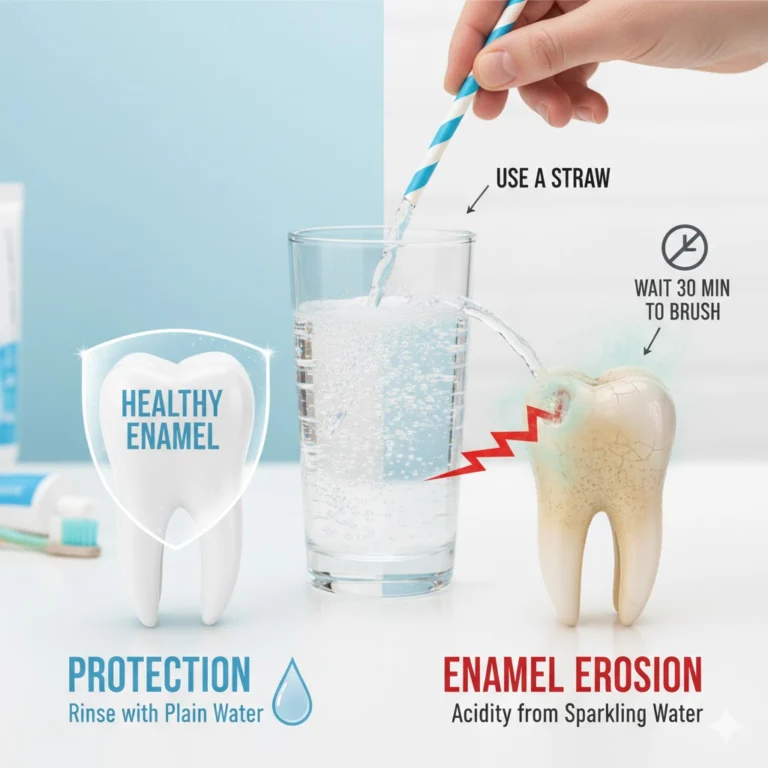
Carbonated water is mildly acidic, but it is far less erosive than soda. To protect enamel, avoid flavored varieties with citric acid and don’t brush immediately after drinking.
Taste & Mineral Profile
Mineral water often tastes fuller or slightly salty, depending on mineral levels. On the other hand, sparkling water typically tastes clean and crisp. As a result, many people prefer mineral water with meals and sparkling water as a soda alternative.
Best Uses
When to choose mineral water
- You want natural electrolytes.
- You prefer a richer taste with food.
- You need gentle digestion support (bicarbonates).
When to choose sparkling water
- You want a calorie-free soda replacement.
- You need a neutral mixer for drinks.
- You prefer lighter, brighter bubbles.
Which One Is Better?
It depends on your goals. If you want minerals and digestion support, choose mineral water. If you want a versatile, low-cost soda alternative, choose sparkling water. Ultimately, both are healthy and far better than sugary drinks.
FAQs
Is mineral water the same as sparkling water?
No. Mineral water refers to the mineral content and source. Sparkling water refers to carbonation. Some mineral waters are sparkling, but not all sparkling waters are mineral water.
Can mineral water help digestion?
Yes. Mineral water with bicarbonates can ease mild indigestion in some people.
Is sparkling water bad for teeth?
No — plain sparkling water is much less harmful than soda. Still, avoid flavored varieties with added acids for best dental health.