Protein water is water with clear whey protein isolate dissolved in it, so it drinks like a light fruit drink instead of a milky shake. The bottles on store shelves carry 15 to 20 grams of protein for 60 to 90 calories and no sugar, by their labels. It is a convenient way to add protein, and for most healthy adults one bottle a day is fine. It is not better than protein from food, and at about $3.33 a bottle it is not a cheap way to get it.
Below is what is in it, how the main brands compare on their labels, what sweeteners they use, how much is too much, and who should skip it.
What is protein water?
It is a ready-to-drink bottle of water, flavor and a protein that stays clear in liquid, almost always whey protein isolate. Whey isolate is the milk protein left after most of the fat and lactose are filtered out, which is why it can look like flavored water. Protein2o’s ingredient list is typical: water, whey protein isolate (milk), erythritol, natural flavors, sodium citrate, acids, salt, potassium phosphate and stevia.
The other ingredients are mostly there for taste and hydration. Several brands add electrolytes such as sodium and potassium, and most use a sugar-free sweetener rather than sugar.
How do the main protein waters compare?
They are closer than the marketing suggests: 15 or 20 grams of whey isolate, 60 to 90 calories, no sugar. The differences are the sweetener, the electrolytes and the price. Figures below are from each brand’s own label or product page, checked November 15, 2026.
| Brand, per bottle | Protein | Calories | Sugar | Sweetener |
|---|---|---|---|---|
| Ready Clear Protein Water, 16.9 oz | 20 g whey isolate | 90 | 0 g | not stated on the page we checked |
| Protein2o 20 g, 16.9 oz | 20 g whey isolate | 90 | 0 g | erythritol (4 to 5 g) and stevia |
| Myprotein Clear Whey Isolate RTD, 16 oz can | 20 g whey isolate | 80 | 0 g | not stated in the listing |
| Protein2o 15 g | 15 g whey isolate | 60 | 0 g | erythritol and stevia |
| Isopure Protein Water | 15 g whey isolate | 60 | 0 g | “no artificial sweeteners,” per Isopure |
Protein2o’s 20-gram bottle also lists 220 milligrams of sodium and 110 milligrams of potassium. Ready says its bottles have “5 unique electrolytes” without naming them on the collection page. If sweetener type matters to you, read the ingredient line on the bottle, because flavors within a brand can differ.
One quick check on any label: protein has about 4 calories per gram, so 20 grams of protein is about 80 calories. A 90-calorie bottle with 20 grams is almost all protein. If a bottle has far more calories than its protein explains, the rest is coming from sugar or fat.
Is drinking protein water good for you?
For most healthy adults, yes, in moderate amounts. Whey is a complete protein, the bottles have no sugar, and the calories are low. It helps most when it fills a real gap, such as an older adult who eats little at breakfast or someone who wants protein after a workout and has no appetite for food.
How much protein you need is the useful number. The U.S. Recommended Dietary Allowance is 0.8 grams per kilogram of body weight a day, with protein making up 10 to 35% of calories, as a review in Advances in Nutrition by Hruby and Jacques summarizes. For a 150-pound adult (68 kilograms), the RDA is about 54 grams. One 20-gram bottle is about 37% of that. On food labels, the FDA’s Daily Value for protein is 50 grams, so the same bottle is 40% of the Daily Value.
If you regularly eat meat, fish, dairy, eggs or beans, you may already be close to that number; a few days of tracking what you eat will tell you. In our view, protein water is a convenience product, not a health necessity. If you already eat enough protein, the extra bottle mainly adds cost.
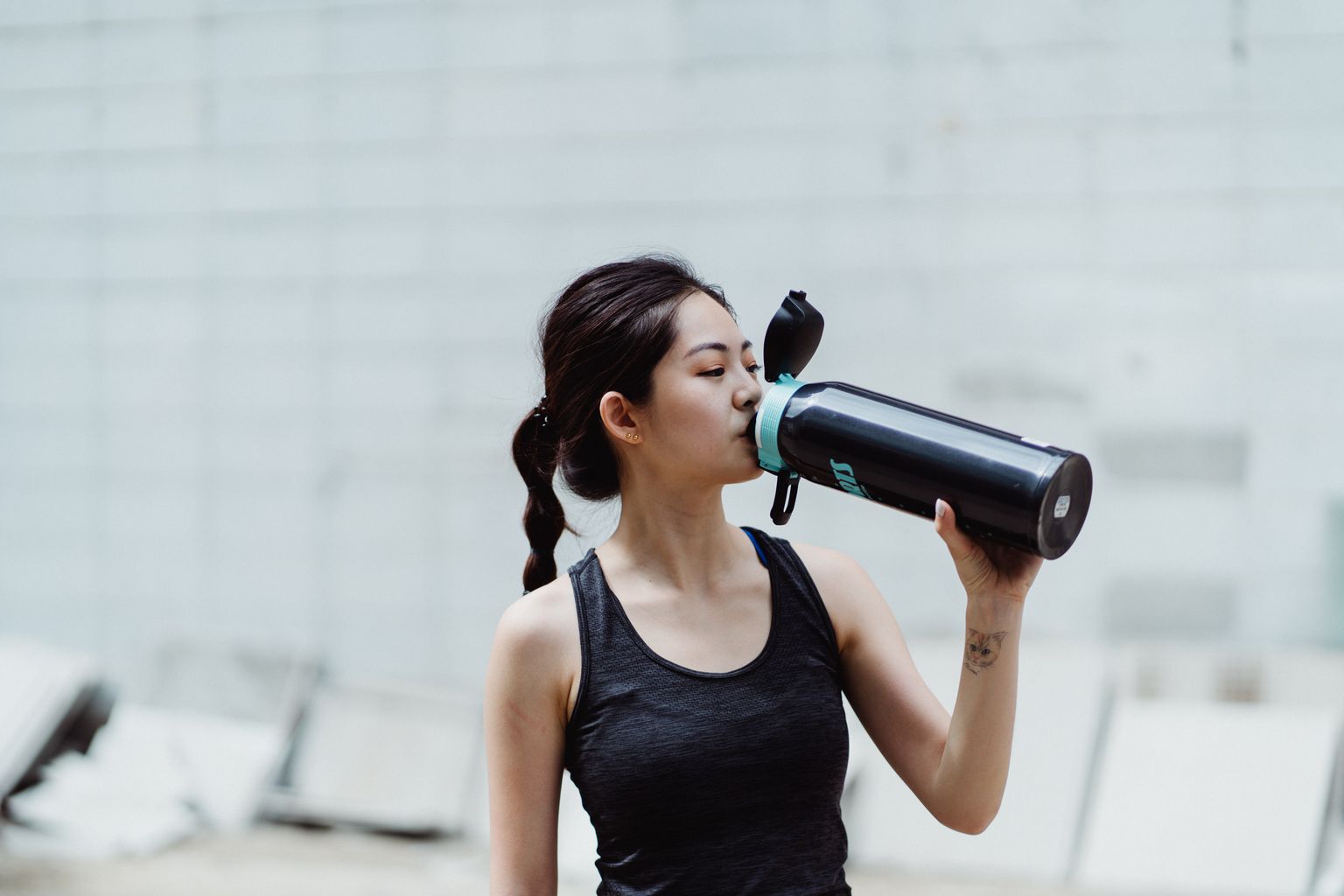
Is it okay to drink protein water all day?
One or two bottles is reasonable for most healthy adults; sipping it all day instead of water is not. Three 20-gram bottles add 60 grams of protein, more than the RDA for a 150-pound adult before any food is counted. Protein water also does not replace plain water for hydration, since you would be paying for protein you do not need.
Use plain water as the default and protein water for a specific moment, such as after training. For how much fluid you need overall, see our guide to how much water to drink per day, and for sports hydration without protein, our homemade electrolyte drink costs a few cents a glass.
Are the sweeteners in protein water safe?
Most are approved and widely used, but one is worth knowing about. Protein2o uses erythritol, about 4 to 5 grams per 20-gram bottle by its label, plus stevia. A 2023 study in Nature Medicine by Witkowski and colleagues found that higher blood erythritol was associated with a higher risk of major cardiovascular events, and that erythritol enhanced clotting in lab tests.
That study was observational, so it shows an association rather than proof that erythritol causes heart attacks, and the authors called for longer-term safety studies. Our view: if you have heart disease or clotting risk, choose a protein water without erythritol, which is easy since several brands do not list it. Isopure says its protein water has no artificial sweeteners.
Who should avoid protein water?
Three groups should check before drinking it:
- People with kidney disease. The NIDDK says too much protein can make the kidneys work harder, so people with chronic kidney disease may need to eat less protein. Ask your doctor or dietitian before adding any protein drink.
- People with a milk allergy. Whey is a milk protein, and Protein2o lists “Whey Protein Isolate (Milk)” in its ingredients. Isolate is low in lactose, which is a separate issue from allergy.
- Kids. These drinks are marketed to adults and athletes, and most are sweetened with sugar substitutes. Ask your pediatrician before making one a daily habit for a child.
Is protein water worth the money?
Only if the convenience matters to you. Ready and Myprotein were both $39.99 for 12 on Amazon when we checked, about $3.33 a bottle, or roughly 17 cents per gram of protein. We did not compare against grocery prices, because those vary too much by store and region to give a fair single number, so check the price per gram of protein at your own store before you decide.
Where it earns its price is portability: it needs no shaker or mixing, and it tastes like a light fruit drink. If you want a flavored drink without protein, our reviews of Sparkling Ice and alkaline water cover two other popular options, and the best water for hydration explains when plain water is enough.
What we would buy for this job
- Ready Clear Protein Water, Orange Mango, 16.9 oz, 12 pack: 20 g of whey protein isolate, 90 calories and 0 g sugar per bottle, by its label. $39.99 for 12 when we checked, about $3.33 a bottle.
- Myprotein Clear Whey Isolate ready-to-drink, Lemonade, 16 oz, 12 pack: 20 g protein and 80 calories per can, by the listing. Same $39.99 for 12 when we checked; check the ingredient list for the sweetener.
As an Amazon Associate, Complete Water Guide earns from qualifying purchases. Prices change, so check the listing.
Frequently asked questions
Is drinking protein water good for you?
For most healthy adults, yes, in moderation. The main brands have 15 to 20 grams of whey protein, no sugar and 60 to 90 calories. It is a convenience, not a need, if you already eat enough protein from food.
Is it okay to drink protein water all day?
One or two bottles a day is reasonable for most healthy adults. Three 20-gram bottles add 60 grams of protein, more than the RDA for a 150-pound adult before food. Plain water should stay your main drink.
What is protein water made of?
Water, clear whey protein isolate, flavor, and usually a sugar-free sweetener and electrolytes. Protein2o, for example, lists water, whey protein isolate, erythritol, natural flavors, salts and stevia.
Does protein water help with weight loss?
It can help only as part of your total calories: 20 grams of protein for about 90 calories is lean. It does not burn fat on its own, and drinking it on top of your usual meals adds calories.
What is the healthiest protein drink?
In our view, one with a complete protein such as whey isolate, no added sugar and a short ingredient list. If you want to avoid erythritol, check the label, since Protein2o uses it and Isopure says it has no artificial sweeteners.
Who should not drink protein water?
People with kidney disease should ask a doctor first, since the NIDDK says people with chronic kidney disease may need less protein. People with a milk allergy should avoid whey-based protein water.
Sources
- Ready: Clear Protein Water collection page and product listings (20 g whey isolate, 90 calories, 0 g sugar, 5 electrolytes, 16.9 oz). Checked November 15, 2026.
- Protein2o: 20 g Variety Pack product page, ingredients and Nutrition Facts; brand home page for the 15 g line (60 calories). Checked November 15, 2026.
- Isopure: Protein Water product page (15 g ultra-filtered whey protein isolate, 60 calories, 0 g sugar, 1 g carbs, no artificial sweeteners). Checked November 15, 2026.
- Myprotein: Clear Whey Isolate Ready-to-Drink Amazon listing (20 g protein, 80 calories, 0 g sugar). Checked November 15, 2026.
- Hruby A, Jacques PF. Protein Intake and Human Health: Implications of Units of Protein Intake. Advances in Nutrition, 2021 (PMC7850043): U.S. RDA 0.8 g/kg, AMDR 10 to 35% of energy.
- U.S. FDA, Interactive Nutrition Facts Label: Protein. Daily Value 50 g.
- Witkowski M, et al. The artificial sweetener erythritol and cardiovascular event risk. Nature Medicine, 2023.
- NIDDK: Protein, Tips for People with Chronic Kidney Disease.
- Amazon listings and prices checked November 15, 2026.