
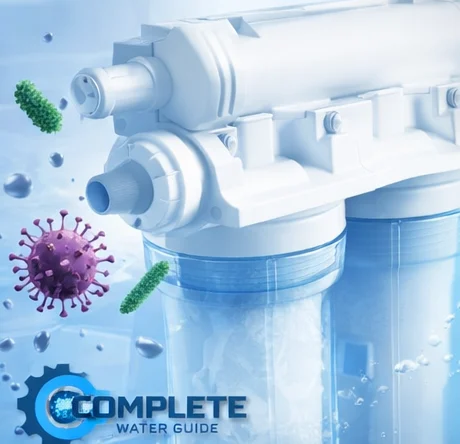

Clean drinking water is essential for good health, but water contamination by bacteria and viruses is a common concern worldwide. Many people rely on water filters to ensure safe drinking water, but do all filters actually remove harmful microorganisms? In this complete guide, we’ll explain how water filters work, which types remove viruses and bacteria, and how to choose the best solution for your home.
Understanding Water Contamination
Water can contain harmful microorganisms such as bacteria, viruses, and parasites. These contaminants often enter water through sewage leaks, agricultural runoff, or poor sanitation systems.
Common Microorganisms in Water
- Bacteria: E. coli, Salmonella
- Viruses: Hepatitis A, Norovirus
- Parasites: Giardia, Cryptosporidium
These microorganisms can cause serious health issues, including stomach infections, diarrhea, and other waterborne diseases.
Do Water Filters Remove Bacteria?
Yes, many advanced water filters can remove bacteria effectively. Systems like RO and UV purifiers are designed to eliminate or deactivate bacteria.
How Different Filters Handle Bacteria
- RO Filters: Remove bacteria through a semi-permeable membrane
- UV Purifiers: Kill bacteria using ultraviolet light
- UF Filters: Trap bacteria physically
- Carbon Filters: Do NOT remove bacteria
Do Water Filters Remove Viruses?
Viruses are much smaller than bacteria, making them harder to remove. Only specific filtration systems can effectively handle viruses.
Best Filters for Virus Removal
- RO Systems: Remove most viruses
- UV Systems: Kill viruses by damaging DNA
- UF Filters: Limited effectiveness
- Carbon Filters: Ineffective
Comparison of Water Filter Types
| Filter Type | Removes Bacteria | Removes Viruses | Best For |
|---|---|---|---|
| RO (Reverse Osmosis) | ✔ Yes | ✔ Yes | Complete purification |
| UV (Ultraviolet) | ✔ Yes | ✔ Yes | Microbial removal |
| UF (Ultrafiltration) | ✔ Yes | Limited | Low TDS water |
| Carbon Filter | ✖ No | ✖ No | Taste & odor |
RO vs UV vs UF: Which Is Best?
Reverse Osmosis (RO)
RO is one of the most effective purification methods. It removes dissolved solids, bacteria, viruses, and heavy metals. However, it also removes beneficial minerals, which may require remineralization.
UV Purification
UV systems kill microorganisms without removing dissolved solids. It works best when water is already clear.
Ultrafiltration (UF)
UF filters remove bacteria but may not effectively remove viruses due to their smaller size.
Why Basic Filters Are Not Enough
Many households use simple carbon filters, thinking they provide complete purification. While they improve taste and remove chlorine, they do not eliminate harmful microorganisms.
Best Water Purifier for Home Use
For maximum safety, experts recommend using a RO + UV combination system. This ensures removal of both chemical and biological contaminants.
Factors to Consider When Choosing a Filter
- Water source (municipal or groundwater)
- TDS level
- Contamination risk
- Maintenance requirements
Health Risks of Contaminated Water
Drinking contaminated water can lead to:
- Diarrhea
- Cholera
- Typhoid
- Hepatitis infections
This makes proper filtration essential for safe drinking water.
Tips to Ensure Safe Drinking Water
- Use certified water purifiers
- Replace filters regularly
- Clean storage tanks
- Test water periodically
FAQs
Do all water filters remove bacteria?
No, only advanced filters like RO, UV, and UF remove bacteria.
Can water filters remove viruses?
Yes, RO and UV systems are effective against viruses.
Is RO better than UV?
RO removes more contaminants, while UV focuses on microorganisms.
Are carbon filters safe?
They improve taste but do not remove harmful microbes.
Conclusion
Not all water filters are created equal. While basic filters improve taste, only advanced systems like RO and UV can effectively remove bacteria and viruses. Choosing the right water purification system ensures safe, clean, and healthy drinking water for your home.
