When it comes to drinking water quality, one of the most important factors is TDS, or Total Dissolved Solids. Many people use water purifiers and TDS meters but don’t fully understand what TDS means and what level is considered safe. In this complete guide, we will explain the ideal TDS level for drinking water, why it matters, and how to maintain it.
The ideal TDS level for safe drinking water is 50–150 ppm. Water up to 300 ppm is considered good, while levels above 500 ppm may be unsafe for long-term consumption.
What Is TDS in Drinking Water?
TDS stands for Total Dissolved Solids. It represents the total concentration of dissolved substances in water, including minerals, salts, and metals. These substances are naturally present in water and can come from soil, rocks, and human activities.
Common components of TDS include calcium, magnesium, sodium, potassium, chlorides, sulfates, and trace amounts of organic matter. While some of these minerals are beneficial, excessive amounts can affect water quality.
Why TDS Matters in Drinking Water
1. Taste and Palatability
TDS directly affects the taste of water. Low TDS water may taste flat, while high TDS water may taste salty, bitter, or metallic.
2. Health Impact
Moderate levels of minerals like calcium and magnesium are beneficial for health. However, very high TDS may include harmful contaminants such as heavy metals or chemicals.
3. Water Quality Indicator
TDS is an important indicator of overall water quality. Higher TDS often means more dissolved impurities.
4. Effect on Appliances
High TDS water can cause scaling in pipes, kettles, and appliances, reducing their lifespan and efficiency.
Ideal TDS Levels for Drinking Water
| TDS Level (ppm) | Water Quality | Suitability |
|---|---|---|
| 0–50 | Very Low | Not ideal (flat taste) |
| 50–150 | Excellent | Best for drinking |
| 150–300 | Good | Safe and acceptable |
| 300–500 | Fair | Acceptable |
| 500+ | Poor | Not recommended |
What Does TDS Actually Include?
- Calcium and magnesium, the two hardness minerals
- Sodium and potassium
- Chlorides and sulfates
- Trace metals
- Small amounts of dissolved organic matter
A TDS meter does not identify any of these individually. It measures the water’s electrical conductivity and converts that reading into an estimated solids figure, so it tells you how much is dissolved and nothing about what. Harmless calcium and a heavy metal can produce the same number, which is why a TDS reading is a starting point rather than a safety verdict.
Is Low TDS Water Good?
Very low TDS water (below 50 ppm) is often produced by reverse osmosis systems. While it is free from contaminants, it may lack essential minerals and taste bland.
Some experts suggest remineralizing water to improve taste and health benefits.
Is High TDS Water Dangerous?
High TDS itself is not always harmful, but it may indicate the presence of unwanted substances like:
- Heavy metals (lead, arsenic)
- Industrial pollutants
- Excess salts
Water above 500 ppm should be tested and treated before consumption.
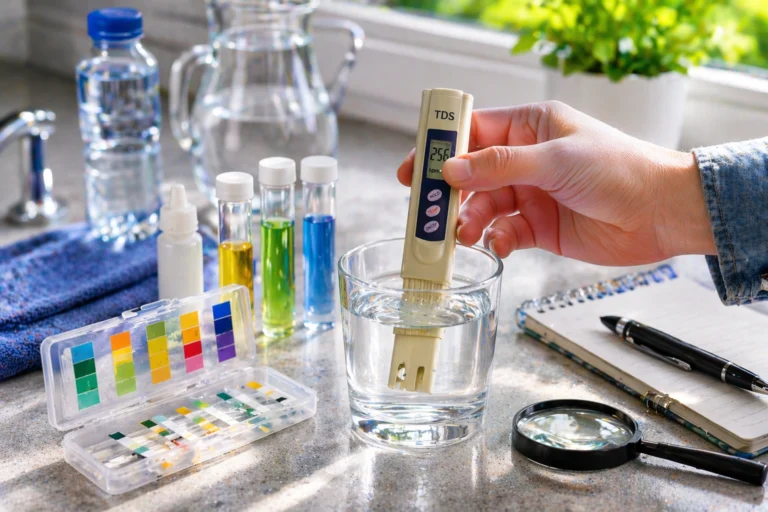
How to Measure TDS at Home
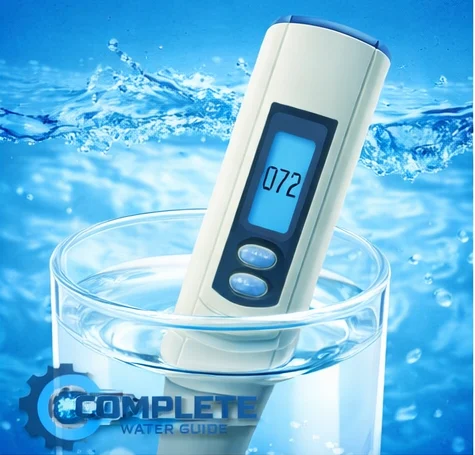
1. TDS Meter
A digital TDS meter provides instant readings and is easy to use.
2. Water Testing Kits
Test kits can detect additional parameters beyond TDS.
3. Laboratory Testing
For accurate and detailed analysis, lab testing is recommended.
How to Reduce High TDS in Water
1. Reverse Osmosis (RO)
RO systems are the most effective way to reduce TDS by removing dissolved solids.
2. Water Softener
Softening systems reduce hardness minerals like calcium and magnesium.
3. Distillation
Distillation removes almost all dissolved solids but is less commonly used at home.
4. Blending Water
Mixing high TDS water with low TDS water can help achieve a balanced level.
Common Myths About TDS
- Myth: Low TDS water is always best
Fact: Balanced minerals are important - Myth: High TDS means unsafe water
Fact: It depends on the composition
Tips to Maintain Ideal TDS Levels
- Regularly check TDS levels
- Use proper filtration systems
- Service your purifier regularly
- Test water annually
FAQs
What is the best TDS level for drinking water?
50–150 ppm is considered ideal.
Is 300 TDS water safe?
Yes, it is generally safe but not optimal.
Can RO reduce TDS?
Yes, RO systems effectively reduce TDS.
Is zero TDS water safe?
It is safe but lacks essential minerals.
Conclusion
TDS is a crucial factor in determining water quality. Maintaining the right balance ensures safe, healthy, and good-tasting drinking water. Regular monitoring and proper filtration can help you achieve the ideal TDS level at home.