⚡ Quick Picks — jump to full buying guide ↓
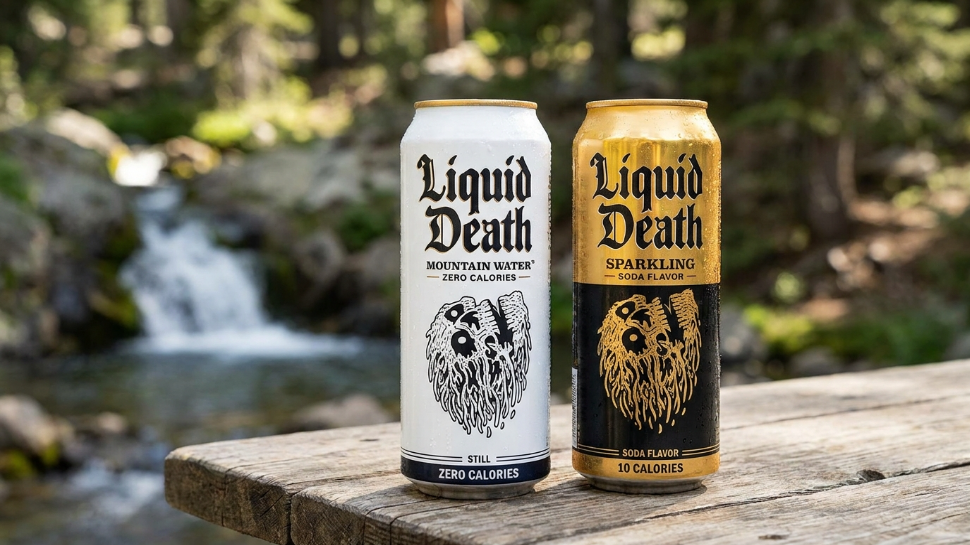
Sparkling Mountain Water
Zero calories, zero sweeteners, one ingredient. The cleanest option.
Check Price
Soda-Flavored Variety Pack
Fan-favorite flavors, 90% less sugar than soda. Agave + stevia.
Check Price
What Liquid Death Actually Is (Beyond the Skulls)
Liquid Death was founded in 2019 by Mike Cessario, a former Netflix creative director who noticed that heavy metal concerts always had Coca-Cola sponsorship deals on stage while bands actually wanted to drink water. The pitch was simple: make water cool enough that hardcore audiences would actually want it.
The marketing worked. Liquid Death is now valued at over $700 million and sits in Whole Foods, 7-Eleven, Costco, and even some bars and arenas — alongside its B Corp certification and a sustainability message built around the recyclability of aluminum cans versus plastic bottles.
The product line in 2026 covers four categories:
- Mountain Water — plain still water in tallboy cans. Zero ingredients besides water.
- Sparkling Water — unflavored carbonated mountain water.
- Soda-Flavored Sparkling — eight flavors with agave and stevia, designed to taste like soda with 90% less sugar.
- Iced Tea — black or green tea base with fruit flavors, B vitamins, and 30 to 40 mg of caffeine per can.
- Sparkling Energy — caffeinated sparkling with 200 mg of caffeine per can.
Ingredients Breakdown — What’s Really In Each Line
Most reviews lump all Liquid Death products together. They shouldn’t — the ingredient profiles are completely different across the four product lines.
| Product Line | Ingredients | Calories | Sugar | Caffeine |
|---|---|---|---|---|
| Mountain Water (Still) | Mountain spring water | 0 | 0 g | 0 mg |
| Sparkling (Unflavored) | Carbonated mountain spring water | 0 | 0 g | 0 mg |
| Soda-Flavored Sparkling | Carbonated water, agave nectar, citric acid, natural flavor, stevia leaf extract | 10 | 2 g | 0 mg |
| Iced Tea | Brewed tea, agave nectar, natural flavor, citric acid, B vitamins, stevia | ~30 | ~6 g | 30–40 mg |
| Sparkling Energy | Carbonated water, agave, natural caffeine, natural flavor, B vitamins, stevia | 10–15 | 2 g | 200 mg |
The cleanest option is unflavored Mountain Water or Sparkling Water. Both contain literally one ingredient. If you’re looking for the healthiest canned drink Liquid Death sells, those are it.
The soda-flavored sparkling line uses agave nectar as the primary sweetener, with stevia leaf extract to amplify sweetness without adding more sugar. This combination delivers a soda-like taste with only 10 calories — about 90% less sugar than a regular Coke. There are no artificial sweeteners like aspartame, sucralose, or acesulfame potassium in any Liquid Death product.
All 8 Soda-Flavored Sparkling Flavors Explained
Below is each current soda-flavored sparkling water, ordered by general consumer popularity (based on aggregated online reviews and ratings across major retailers). All eight flavors share the same base — carbonated water, agave nectar, citric acid, stevia, plus the specific flavor essence — so they all hit 10 calories and 2 grams of sugar per can.
1. Severed Lime (Lime + Orange)
Consistently the top-rated flavor across reviewers. Smells like fresh-cut lime and tastes like a less-sweet, less-aggressive Sprite. The orange note is subtle and rounds out the lime so it doesn’t feel sharp. If you only try one Liquid Death flavor, this is the one most people recommend starting with.
2. Mango Chainsaw (Mango + Orange)
Heavy mango up front with a citrus backbone. The flavor is pronounced — more like fruit juice than typical “whispered flavor” sparkling waters — but can feel slightly sweet on the back end if you drink the whole can quickly. Excellent over ice or as a mocktail base.
3. Convicted Melon (Watermelon + Paprika + Lime)
The most unusual flavor in the lineup. The watermelon hits first, paprika adds a barely-there warmth (you won’t taste “spice”), and lime tightens the finish. It sounds bizarre on paper but works surprisingly well. Polarizing — people either love it or never reach for it again.
4. Cherry Obituary (Cherry + Lime + Lemon)
Cherry-forward without veering into cough syrup territory, which is the trap most cherry sodas fall into. The lime and lemon keep it bright. A solid alternative to cherry Coke for anyone trying to cut sugar.
5. Squeezed to Death (Orange + Tangerine + Blood Orange)
Three orange varieties stacked together. Some reviewers find the flavor a bit muted compared to fresh-squeezed juice expectations, but it works well as an everyday option that doesn’t tire you out by the second can.
6. Killer Cola (Cola Flavor)
Liquid Death’s attempt at a cola substitute. Doesn’t fully replicate the Coca-Cola or Pepsi profile — it’s closer to RC Cola or an old-fashioned soda fountain cola — but with 2 grams of sugar instead of 39, it’s a credible alternative for soda drinkers cutting back.
7. Rootbeer Wrath (Root Beer)
Classic root beer flavor with a lighter, less syrupy mouthfeel than a regular A&W or Barq’s. Reviewers either appreciate the cleaner taste or miss the heavy sweetness of traditional root beer. No artificial colors, so it looks lighter in the glass.
8. Doctor Death (Dr Pepper-Style)
Aimed at Dr Pepper drinkers — a layered blend of fruit and spice notes that’s hard to pin down. Some find it nostalgic, others find it muddled. The flavor profile is the most ambitious of the lineup, which is also why it’s the most divisive.
The four cans look alike and one has 200mg of caffeine
Liquid Death sells four separate product lines in tallboy cans of near-identical design. The caffeine in them runs from nothing at all to roughly a strong coffee.
| Line | Caffeine per can | Sugar | Calories |
|---|---|---|---|
| Mountain Water (Still) | 0 mg | 0 g | 0 |
| Sparkling (Unflavored) | 0 mg | 0 g | 0 |
| Soda-Flavored Sparkling | 0 mg | 2 g, from agave | 10 |
| Iced Tea | 30–40 mg | ~6 g | ~30 |
| Sparkling Energy | 200 mg | 2 g | 10–15 |
Two hundred milligrams is about what a strong 12 oz coffee delivers. It is also half of the 400 mg a day that the FDA describes as not generally associated with negative effects for healthy adults, so one Sparkling Energy uses half that allowance in a can sitting on the shelf beside the zero-caffeine sparkling water.
That is the practical thing to take from this page. The health question people usually arrive with, whether the water itself is bad for them, has a dull answer: the unflavored lines are water and nothing else. The question worth checking in the shop is which of the four cans you have picked up.
Is Liquid Death Actually Healthy?
The honest answer depends entirely on which Liquid Death you’re talking about.
Mountain Water and Sparkling (unflavored): Yes — among the healthiest canned beverages on the market. Zero calories, zero sweeteners, zero additives, packaged without plastic bottles. Independent reviews from sources like Illuminate Labs rate the unflavored line as one of the cleanest bottled water options available.
Soda-Flavored Sparkling: Significantly healthier than soda, but not as clean as a true zero-sweetener sparkling water. The 10 calories and 2 grams of sugar from agave are minor on their own, but if you drink three or four cans a day, that adds up to 30 to 40 extra calories and an unnecessary daily intake of sweetener. Stevia is generally considered safe by the FDA, though some people experience mild digestive sensitivity to it.
Iced Tea: The least clean option in the lineup. 6 grams of sugar per can plus B vitamins (which have minimal benefit if you’re not deficient). Still much better than commercial iced teas like Snapple — but not what most people would call “health food.”
Sparkling Energy: 200 mg of caffeine is roughly equivalent to a strong cup of coffee. Healthy in moderation for caffeine-tolerant adults, but not appropriate for kids, pregnant women, or anyone sensitive to caffeine.
Liquid Death vs Other Sparkling Water Brands
Liquid Death’s flavored line sits in a different category than traditional “natural flavor only” sparkling waters. Here’s how it stacks up:
| Brand | Sweetener | Calories | Sugar | Caffeine | Packaging |
|---|---|---|---|---|---|
| Liquid Death (flavored) | Agave + Stevia | 10 | 2 g | 0 mg | Aluminum can |
| La Croix | None | 0 | 0 g | 0 mg | Aluminum can |
| Waterloo | None | 0 | 0 g | 0 mg | Aluminum can |
| Spindrift | Real fruit juice | 5–17 | 1–4 g | 0 mg | Aluminum can |
| Topo Chico | None | 0 | 0 g | 0 mg | Glass bottle |
| Bubly | None | 0 | 0 g | 0 mg | Aluminum can |
The key takeaway: Liquid Death’s flavored line is the only major sparkling water brand with intentional sweetness. That’s a feature, not a bug — it’s why people who hate “barely-there flavor” La Croix often love Liquid Death. The trade-off is the 10 calories and 2 grams of sugar.
For a deeper comparison of these brands, see our guide to the healthiest sparkling water for daily drinking.
The PFAS Controversy — What’s Real and What’s Hype
In August 2024, a viral social media video claimed Liquid Death contained “2x the acceptable amount of PFAS, chromium 8x over guidelines, and elevated nitrates.” The post racked up millions of views and triggered a wave of search interest — “is Liquid Death safe” spiked sharply.
Here’s what we know:
The disputed source: The viral claim was based on a third-party lab report whose accuracy was challenged. Community Notes on the original post flagged the source as inaccurate, and Consumer Reports has stated that Liquid Death contains lower than average PFAS and heavy metal levels compared to other bottled waters tested.
FDA testing: In April 2025, the FDA released results from testing 197 domestic and imported bottled water samples for 18 types of PFAS. No samples exceeded the EPA’s Maximum Contaminant Levels for PFAS in drinking water. Only 10 of 197 samples contained any detectable PFAS, and those detected levels were below safety thresholds.
Independent 2025 laboratory testing: In September 2025, Mamavation and Environmental Health News sent 15 sparkling water products to an EPA-certified laboratory for analysis of 40 PFAS compounds using EPA method 1633. Liquid Death Cherry Obituary returned a non-detect result — no PFAS found at all. Nine of the 15 products tested did show detections, so this is a meaningful result rather than a testing artifact.
Liquid Death’s own water quality reports: The brand publishes water quality reports for its Mountain Water source. According to the company, all measured contaminants are well below EPA and FDA safety levels.
Is the Aluminum Can Itself Safe?
Aluminum cans have an internal lining to prevent the metal from reacting with the contents. Two questions get asked most often:
Does the can lining contain BPA? According to Liquid Death, their can lining is BPA-free. The lining is roughly 20 times thinner than a sheet of paper and contains about 90 times less plastic than a plastic water bottle.
Does the lining release microplastics? Liquid Death states the lining is chemically bonded to the metal — not loose plastic — and beverage-contact testing shows virtually no particle release under normal storage. For context, a 2024 NIH report found that the average liter of bottled water contains approximately 240,000 plastic particles. Aluminum cans are not the same risk profile.
Aluminum exposure: Aluminum itself is poorly absorbed by the digestive system. Dietary aluminum from canned beverages contributes a small fraction to total daily exposure, well below regulatory safety thresholds for healthy adults.
Pros & Cons of Drinking Liquid Death Daily
Pros
- Unflavored line is one of the cleanest canned drink options
- Flavored line uses agave + stevia, no artificial sweeteners
- 90% less sugar than regular soda — credible soda replacement
- Aluminum cans are infinitely recyclable, no plastic bottles
- No caffeine in core lines — works for any time of day
- Returned non-detect for PFAS in 2025 independent lab testing
- BPA-free lining, no significant microplastic exposure
- B Corp certified, sustainability-focused brand
Cons
- 2 to 4 times more expensive than Waterloo or Topo Chico per ounce
- Flavored line is sweetened — not zero-sugar like La Croix
- Some people are sensitive to stevia (digestive discomfort)
- Energy line’s 200 mg caffeine is significant — not for everyone
- Sourcing change from Austrian Alps to Virginia spring may disappoint original fans
- Heavy marketing premium baked into the price
Pricing & Where to Buy
Liquid Death is available in most major US retailers — Whole Foods, Costco, Target, Walmart, 7-Eleven, and CVS — plus on the brand’s own site and Amazon. Approximate 2026 pricing:
- Single 16.9 oz can — $2.00 to $2.50 at convenience stores
- 8-pack 16.9 oz cans — $9 to $12
- 12-pack 12 oz flavored cans — $18 to $24
- Costco-size cases — typically the best per-ounce price for Mountain Water
Our picks on Amazon (As an Amazon Associate we earn from qualifying purchases.)
Sparkling Mountain Water (Unflavored)
Zero calories, zero sweeteners, one ingredient. The cleanest option Liquid Death sells — among the healthiest canned drinks you can buy. 12-pack tallboys.
Soda-Flavored Variety Pack
The fan-favorite flavors (Severed Lime, Mango Chainsaw & more) — 90% less sugar than soda, agave + stevia, no artificial sweeteners. Variety pack is the cheapest way to try them.
Who Should Drink Liquid Death (and Who Shouldn’t)
Are trying to quit soda but find La Croix too weak. Want canned packaging instead of plastic bottles. Like the brand and don’t mind paying a premium for it. Need a caffeine-free option that still feels “fun.”
Are sensitive to stevia (some people experience bloating). Are pregnant — stick to Mountain Water, skip Iced Tea and Energy. Watch your sugar intake — even 2 g per can adds up across multiple drinks.
Want a zero-sweetener sparkling water — La Croix, Waterloo, or Bubly are better. Need to keep beverage spending low. Drink only plain water — filtered tap water at home is virtually free and equally healthy.
Are curious about the hype. Have a friend who swears by it. Want a healthier “I’m having a treat” canned drink that’s not seltzer-water-blandness or sugar-bomb soda.
Frequently Asked Questions
Is Liquid Death actually healthy?
Liquid Death Mountain Water (unflavored still and sparkling) is among the healthiest canned beverages on the market — zero calories, zero sweeteners, and packaged in aluminum without plastic bottles. The flavored sparkling line contains 10 calories and 2 grams of sugar per can from agave nectar, plus stevia. It is significantly healthier than soda but not zero-sweetener like La Croix or Waterloo.
Does Liquid Death have caffeine?
The core Mountain Water and soda-flavored sparkling lines contain no caffeine. The Iced Tea line contains 30 to 40 mg of caffeine per can, similar to a small cup of tea. The Sparkling Energy line contains 200 mg of caffeine per can, similar to a strong coffee.
Does Liquid Death contain PFAS or forever chemicals?
Liquid Death’s published water quality reports state that all contaminants, including PFAS, are below EPA and FDA safety thresholds. FDA testing of 197 bottled waters released in April 2025 found no samples exceeded EPA maximum contaminant levels for PFAS. In separate 2025 laboratory testing by Mamavation across 40 PFAS compounds, Liquid Death Cherry Obituary returned a non-detect result. A viral social media claim in 2024 alleging high PFAS in Liquid Death was disputed by Consumer Reports and not supported by third-party verification.
Where does Liquid Death water come from?
Liquid Death originally sourced its Mountain Water from a protected spring in the Austrian Alps. As of recent updates, the brand now sources from a deep underground spring in Virginia, USA. The water remains tested to meet bottled water purity standards.
How many calories are in a Liquid Death sparkling water?
Each 12 oz can of soda-flavored Liquid Death sparkling water contains 10 calories and 2 grams of sugar from agave nectar. Unflavored Mountain Water (still or sparkling) contains zero calories and zero sugar.
What sweetener does Liquid Death use?
Liquid Death soda-flavored sparkling waters are sweetened with a combination of agave nectar and stevia leaf extract. There are no artificial sweeteners such as aspartame, sucralose, or acesulfame potassium.
Is the Liquid Death aluminum can safe?
Yes. According to Liquid Death, the interior lining of their cans is BPA-free and chemically bonded to the metal, meaning it does not release plastic particles into the water under normal storage. Aluminum cans contain roughly 90 times less plastic material than a plastic water bottle.
Liquid Death vs La Croix — which is healthier?
La Croix is technically healthier for those avoiding all sweeteners — it contains only carbonated water and natural flavors, with zero calories and zero sugar. Liquid Death’s flavored sparkling line contains 10 calories and 2 grams of sugar from agave. For unflavored options both are equally healthy, though on tested PFAS Liquid Death returned non-detect in 2025 against La Croix at 0.94 ppt.
Is Liquid Death just expensive water?
Largely yes — but you are also paying for the aluminum can packaging (more recyclable than plastic), the brand experience, and the marketing investment. Per ounce, Liquid Death typically costs 2 to 4 times more than similar canned sparkling waters like Waterloo or Topo Chico.
Can pregnant women drink Liquid Death?
Liquid Death Mountain Water and soda-flavored sparkling waters are generally safe during pregnancy as they contain no caffeine. The Iced Tea line contains 30 to 40 mg of caffeine per can, and the Sparkling Energy line contains 200 mg — both should be limited or avoided during pregnancy. Always consult your doctor about specific caffeine and beverage choices while pregnant.
What is the shelf life of Liquid Death?
Mountain Water (still and sparkling) has a shelf life of 36 months. Soda-flavored sparkling waters and iced teas have a shelf life of 24 months. Sparkling Energy drinks have a shelf life of 18 months. All dates are stamped on the bottom of each can.
Is Liquid Death better than tap water?
For most people in regulated municipal water systems, tap water is equally safe and dramatically cheaper. Liquid Death Mountain Water may offer slightly different mineral content and a guaranteed source, but it is not nutritionally superior to good-quality filtered tap water. A home water filter pitcher offers similar purity at a fraction of the cost.
Related Reading
- Healthiest Sparkling Water for Daily Drinking
- Top Zero-Calorie Sparkling Waters Ranked
- Does Waterloo Sparkling Water Have Caffeine?
- Sparkling Water vs Seltzer vs Club Soda — Full Comparison
- Best Bottled Water Brands Reviewed
- Primo Water Review
References & Sources
- Liquid Death — Official FAQ & Product Information
- FDA — Bottled Water PFAS Testing Results (April 2025)
- Mamavation & Environmental Health News — Sparkling Water PFAS Testing (2025)
- EPA — PFAS National Primary Drinking Water Regulations
- Consumer Reports — Bottled Water Quality Analyses
- Illuminate Labs — Independent Liquid Death Ingredient Analysis
The Bottom Line
Liquid Death is a paradox — a heavily marketed luxury water brand that, when you actually read the ingredients, sells a genuinely clean product. The unflavored Mountain Water and Sparkling line are among the healthiest canned drinks you can buy. The soda-flavored sparkling line is a legitimate soda replacement with 90% less sugar, sweetened only with agave and stevia. The Iced Tea and Energy lines are fine in moderation but stop being “water-tier” healthy. The PFAS panic from 2024 didn’t hold up to scrutiny — FDA bottled water testing in 2025 found no concerning levels, and independent 2025 lab testing returned a non-detect result across 40 PFAS compounds. The only real catch is the price: you’re paying 2 to 4 times what equivalent canned sparkling water costs, and most of that markup is paying for the brand, not the water. Buy it because you like it, not because it’s healthier than the cheaper options — for most use cases, it isn’t.