Primo Water (2025 Guide): Delivery, Refill/Exchange, Quality & Dispensers
Primo Water is a bottled-water service known for home/office delivery, in-store exchange of 3–5 gal jugs, and self-serve refill stations. This page explains service types, water quality basics, bottle sizes/dispensers, typical fees (deposits, exchanges), and how to choose the most cost-effective option for you.
Note: Availability, pricing, purification steps, and bottle materials can vary by location and retailer. Always confirm details on your local bottle label, station signage, or account portal.
Services Overview
Primo offers three main ways to get water: home/office delivery, in-store exchanges of prefilled 3–5 gal bottles, and self-serve refills. Choose based on budget, convenience, and how much lifting you want to do.
Compare Service Types
| Service | How It Works | Typical Cost Signals* | Pros | Considerations |
|---|---|---|---|---|
| Home/Office Delivery | Set a schedule; full bottles dropped at your door; empties picked up. | Per-bottle price + delivery fees/taxes; promos often for first month. | Convenient; no store trips; steady supply; rental/owned dispenser options. | Higher per-gallon cost than refill; delivery windows; bottle deposit policies. |
| Exchange (Prefilled) | Take your empty 3–5 gal Primo-compatible bottle to a retail kiosk; swap for a sealed, prefilled one. | Exchange price per bottle; usually mid-range per gallon. | Fast; consistent taste/quality; no waiting for fills. | Must have an empty to swap; carry/lift 35–45 lb bottles. |
| Refill Station (Self-Serve) | Bring a clean Primo-compatible bottle; fill at the station; pay per gallon. | Lowest per-gallon price; bring-your-own bottle. | Best value; flexible volumes (1–5 gal); eco-friendly re-use. | You do the lifting; station hours/availability; keep bottles sanitized. |
*Pricing and fees vary by location, retailer, and plan. Check your local kiosk signage or account portal for current rates and bottle deposit rules.
Water Quality & Process
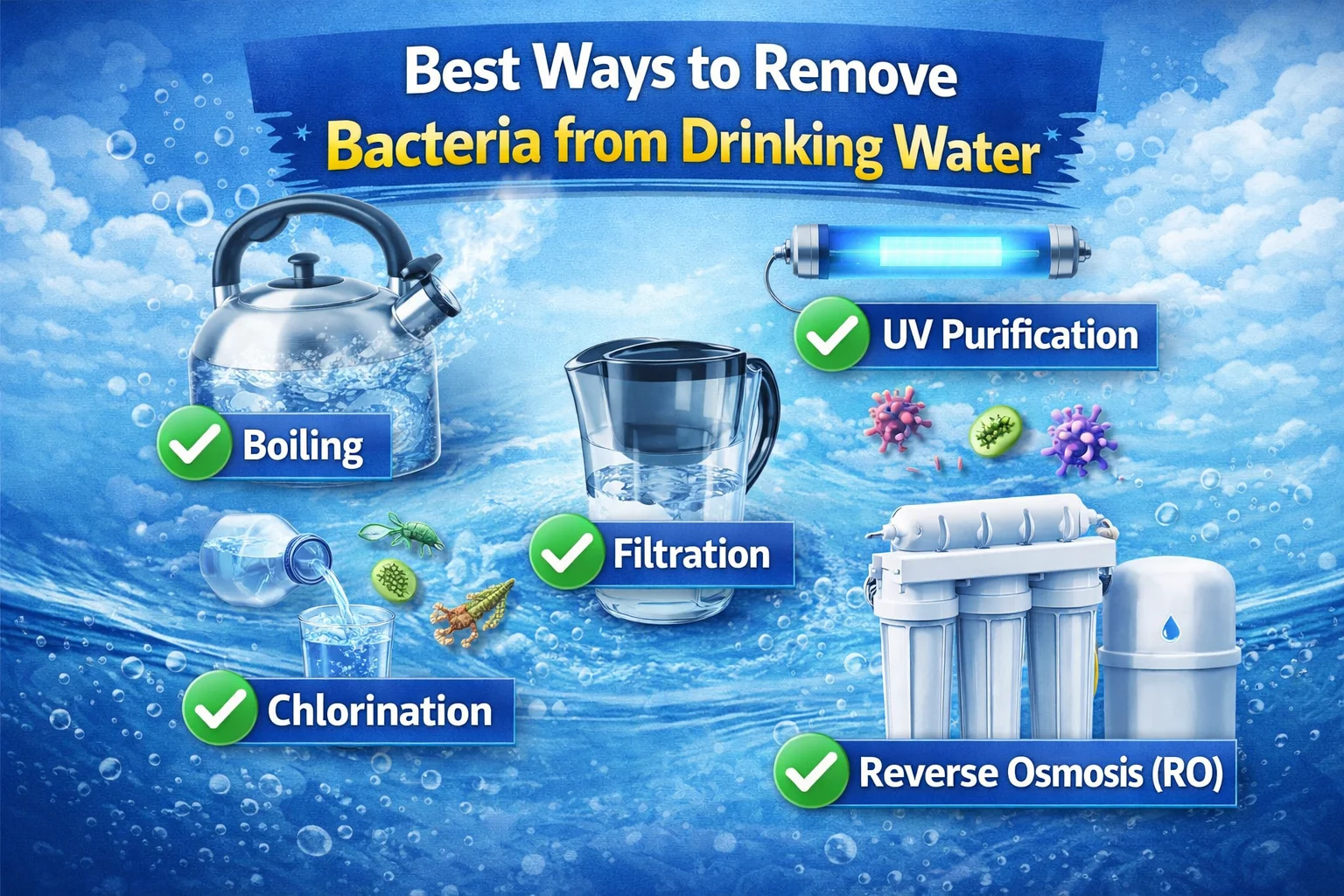
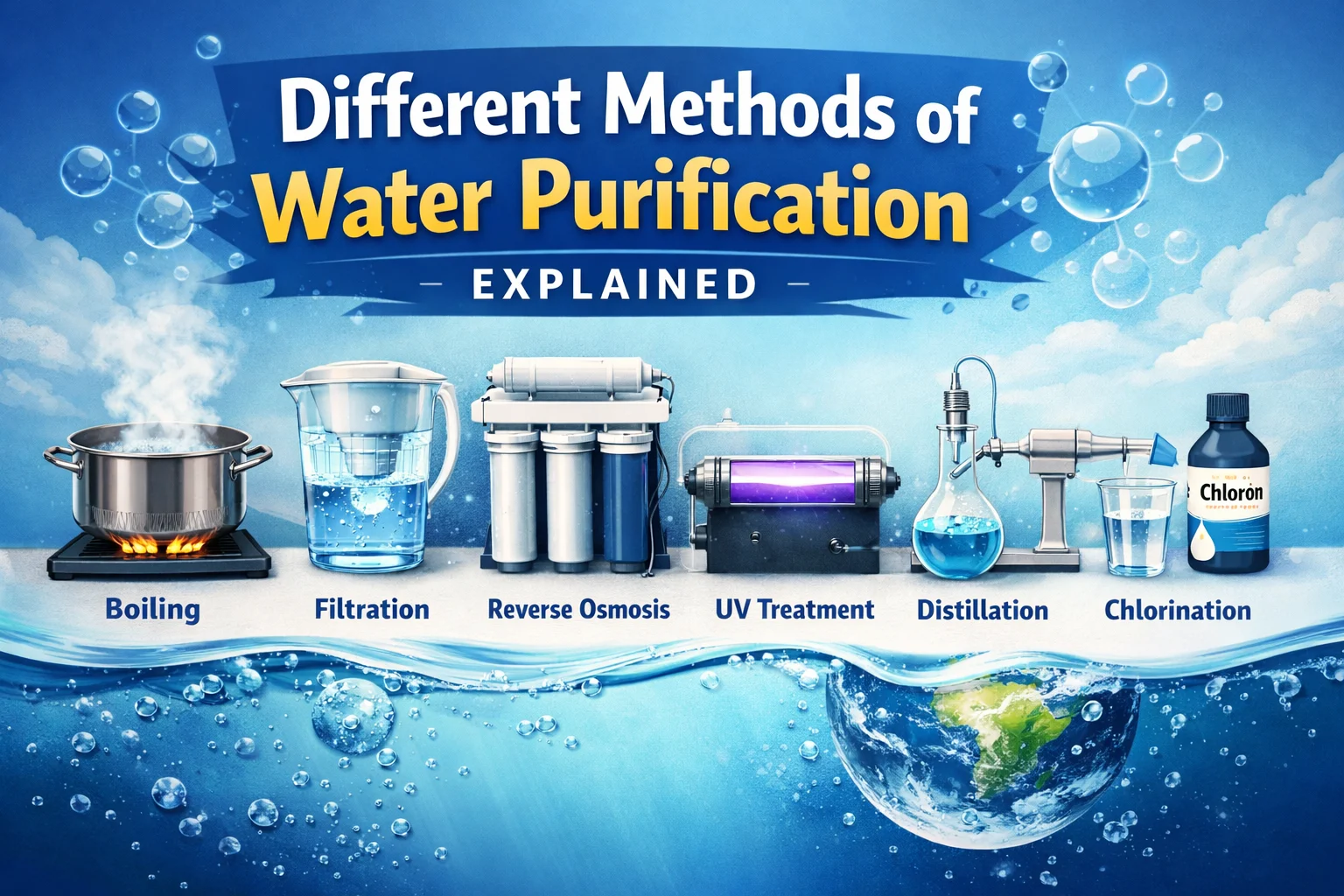
Primo locations typically use multi-step purification (often reverse osmosis) and then add a small mineral blend for taste. Exact steps and targets can vary by plant and retailer—always check your local bottle label or refill-station placard.
Purification Steps (Typical Flow)
| Step | What It Targets | What You’ll Notice |
|---|---|---|
| Sediment filtration | Sand, rust, particulates | Clearer water; protects later filters |
| Activated carbon | Chlorine/chloramine, taste & odor | Less “tap” odor; improved flavor |
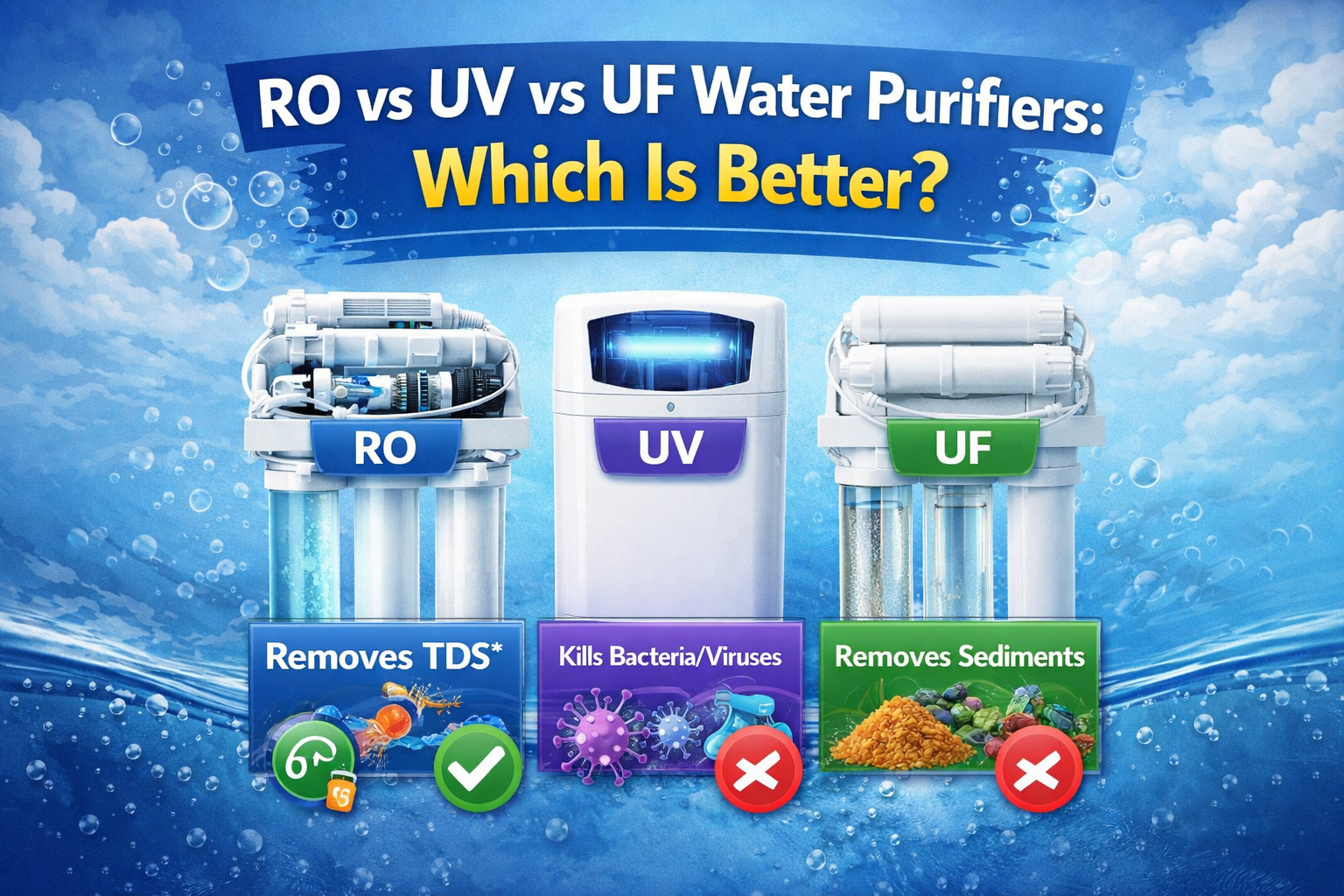
| Reverse osmosis (RO) | Dissolved salts/minerals, many impurities | Low TDS; “clean” base water |
| Polish (UV/ozone) | Microbial control | Meets safety targets before bottling |
| Mineral add-back (taste) | Calcium, magnesium, bicarbonate (small amounts) | Smoother mouthfeel; not “flat” like plain RO |
Reading a Label / Spec Sheet
Conductivity (@25°C): 20–90 µS/cm (example)
Disinfection: UV or ozone
Added minerals: Calcium, Magnesium, Potassium (for taste)
- Appliance manuals may list a max TDS or max µS/cm. If your local label beats that number, you’re good.
- Some bottles say “purified water with minerals added for taste” — this is normal and keeps flavor consistent.
Variation alert: Stations and bottling partners can differ by city. When specs matter (espresso, instruments), confirm numbers on your local label or email support for a current sheet.
Bottles & Dispensers
Pick a bottle size you can lift safely and a dispenser style that fits your space. Primo-compatible 3–5 gal bottles work with top-load, bottom-load, and countertop units.
Dispenser Types — Pros & Cons
| Type | How It Works | Pros | Considerations | Good For |
|---|---|---|---|---|
| Top-Load (Hot/Cold/Room) | Bottle sits on top; gravity feeds reservoir. | Lower cost; simple; easy to see when empty. | Lifting 3–5 gal (~25–42 lb); visible bottle. | Budget households, garages, break rooms. |
| Bottom-Load (Hot/Cold/Room) | Bottle hides in base; pump moves water up. | No heavy lifting to shoulder height; clean look. | Higher price; pump & tubing need periodic cleaning. | Families, offices, anyone avoiding heavy lifts. |
| Countertop | Compact unit on counter; uses small bottle or direct line. | Saves floor space; lighter bottles. | Lower capacity; needs sturdy counter & outlet. | Apartments, dorms, pantries, small offices. |
| Non-electric Crock/Stand | Ceramic or plastic crock with spigot; room-temp only. | No power; simplest; good for events. | No chilling/heating; manual sanitizing essential. | Occasional use, outdoor/picnic setups. |
Bottle Sizes & Weights
- 5 gal (~18.9 L) ≈ ~42 lb when full (water weight only).
- 3 gal (~11.4 L) ≈ ~25 lb when full.
- Choose what you can lift comfortably; use bottom-load if lifting is difficult.
Compatibility: Use Primo-compatible caps/neck sizes. For countertop units, confirm clearance under cabinets and bottle height.
Pricing & Bottle Deposits
Costs depend on service type (refill, exchange, delivery), bottle deposits, and local taxes/fees. Use the table and calculator to estimate your effective price per gallon.
What You Pay For (By Service)
| Service | Core Charge | Extras | When It Applies | Notes |
|---|---|---|---|---|
| Refill (Self-Serve) | Per-gallon price | None (bring bottle) | Every fill | Best per-gallon value; sanitize your bottle to keep taste fresh. |
| Exchange (Prefilled) | Exchange price per 5 gal | Deposit only when you first acquire a bottle (or if you need another) | Each swap (price); deposit at first bottle | Return empties to keep deposits tied to your bottles. |
| Home/Office Delivery | Per 5-gal bottle | Delivery fee / fuel surcharge; cooler rental (if applicable); deposits on bottles | Each delivery; deposits at first set of bottles | Convenience premium; watch for first-month promos/bundles. |
About Deposits
- A bottle deposit is a refundable hold for each reusable bottle. You usually pay it once per bottle; it’s returned when you permanently return the bottle in good condition.
- If you lose/keep a bottle or move without returning it, you may forfeit the deposit.
- Need more capacity? You can add bottles later—expect to pay an extra deposit for each additional bottle.
Heads-up: Prices and deposit amounts vary by retailer/city and can change. Check your local kiosk signage or online account for up-to-date numbers.
When to Choose Which
Match the Primo service to your volume, budget, lifting limits, and storage space. Start with the quick matrix, then use the picker for a personalized nudge.
Quick Decision Matrix
| Scenario | Best Pick | Why | Watch Outs |
|---|---|---|---|
| 1–2 people, 5–10 gal/month, near a kiosk | Refill | Lowest cost/gal; flexible amounts | Sanitize your bottle; kiosk hours |
| Family/office, 15–30 gal/month | Exchange or Delivery | Predictable supply; sealed bottles | Deposits; storage space for extras |
| Can’t lift heavy bottles / accessibility | Delivery + bottom-load | No hauling; bottle slides into base | Higher monthly cost vs refill |
| Need water today (moving/party) | Exchange | Immediate pickup; sealed 5-gal | Requires an empty bottle to swap |
| Budget-first / students | Refill | Cheapest; bring your own bottle | Do the filling & cleaning yourself |
| Irregular use / travel often | Exchange or single Refill | Buy when needed; no subscription | Track cap seals & “fill date” |
Quality note: All three paths typically provide purified (often RO) water. Some labels add minerals “for taste.” For low-TDS devices (CPAP/irons), consider distilled if your manual requires it.
Sustainability & Care
Refill/exchange systems keep heavy bottles in a reuse loop. Get the most from each bottle—store correctly, sanitize regularly, and return empties on time.
Reuse Loop: How It Works
| Step | What You Do | Why It Helps |
|---|---|---|
| Refill/Exchange | Bring clean empties; refill or swap for sealed bottles. | One durable bottle replaces dozens of single-use bottles. |
| Store Right | Upright, cool, away from sunlight/chemicals; avoid hot car trunks. | Prevents taste issues, warp, and microbial growth. |
| Sanitize | Rinse & air-dry bottles; wipe dispenser probe/taps; quarterly deep-clean. | Keeps flavor clean and extends equipment life. |
| Return on Time | Hand back empties with caps; avoid damage. | Keeps the reuse pool healthy; protects your deposit. |
Bottle & Cooler Care (Quick List)
- Bottles: Rinse with warm water; mild soap if needed; air-dry cap-side down. Don’t scratch interiors with brushes.
- Caps/Necks: Before mounting, wipe with a clean towel; avoid touching the mouth of the bottle.
- Cooler: Monthly wipe-down; quarterly sanitize reservoirs/tubing (see steps in Bottles & Dispensers).
- Rotation: Label the fill/exchange date; use older bottles first.
Materials: Reusable 3–5 gal bottles are typically polycarbonate or HDPE. Follow label guidance; never use harsh solvents or near fuel/chemicals.
DIY & FAQs
Quick how-tos for exchanges, priming dispensers, moving your account, and fixing common taste/flow issues.
Quick How-Tos
A) Exchange a Bottle (Retail Kiosk)
- Bring a clean, Primo-compatible empty (cap on).
- Pay the exchange price; inspect the sealed cap and date/lot on the new bottle.
- Transport upright; store cool and out of sunlight.
B) Prime a Dispenser (Top-Load or Bottom-Load)
- Wipe bottle neck/cap. For top-load, invert onto the probe in one smooth motion. For bottom-load, push the suction tube fully onto the cap.
- Open each faucet until water flows steadily (air purge).
- Switch hot/cold to ON; wait 30–60 minutes for temp.
C) Move/Relocate Service
- Empty and cap all bottles; keep your receipt/Deposit info.
- Update address in your delivery account (or return bottles for deposit if canceling).
- Transport bottles upright; avoid trunk heat. Re-sanitize the cooler after the move.
Safety: A 5-gal bottle weighs ~42 lb. Bend knees, keep back straight, or choose a bottom-load cooler.
Written by Jamie Parker
About the Author
Jamie Parker is a U.S.-based writer and product tester focused on large-format bottled water, RO systems, and 3–5 gallon dispensers. Jamie evaluates refill vs exchange vs delivery on real costs, lifting, and sanitation—translating labels and spec sheets (TDS / µS·cm) into simple choices.
- Experience: 6+ years comparing water services and coolers for homes and small offices.
- Method: Field checks at kiosks, bottle labeling reviews, and timed setup/cleaning tests on top/bottom-load units.
- Editorial policy: No paid placements; any samples are disclosed. Guidance is informational, not medical.
Transparency: Availability, pricing, and bottle materials vary by location. Always confirm details on your local label, kiosk signage, or account portal.