
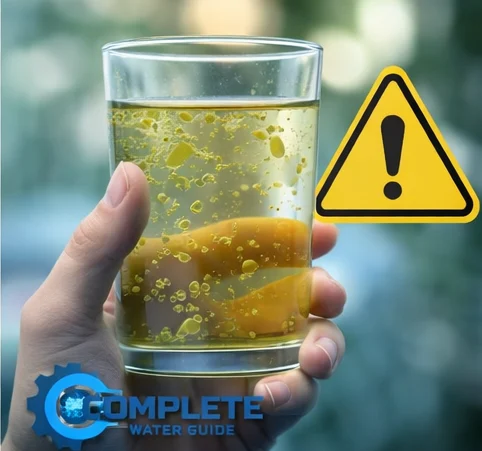

Clean drinking water is essential for maintaining good health, but not all water that looks clear is safe to drink. Contaminated water can contain harmful chemicals, bacteria, viruses, and heavy metals that may pose serious health risks. The challenge is that many contaminants are invisible, making it important to recognize warning signs early. In this complete guide, we’ll explore the signs your drinking water is contaminated, what causes it, and how to fix it effectively.
What Does Contaminated Water Mean?
Contaminated water contains harmful substances such as microorganisms, chemicals, or pollutants that make it unsafe for drinking. These contaminants can enter water through natural sources, industrial waste, agricultural runoff, or faulty plumbing systems.
Main Causes of Water Contamination
- Leaking sewage systems
- Industrial and chemical waste
- Agricultural pesticides and fertilizers
- Old or corroded pipes
- Improper water treatment
Top Signs Your Drinking Water Is Contaminated
1. Unusual Taste
One of the most common signs of contaminated water is a strange taste. Water may taste metallic, bitter, salty, or chemical-like.
- Metallic taste: Possible presence of iron, copper, or lead
- Salty taste: High TDS or dissolved salts
- Bitter taste: Chemical contamination
2. Bad Smell or Odor
Water should ideally be odorless. If your water smells, it may indicate contamination.
- Chlorine smell: Excess disinfectants
- Rotten egg smell: Hydrogen sulfide gas
- Musty smell: Organic matter or algae
3. Cloudy or Milky Appearance
Cloudy water may be caused by air bubbles or suspended particles. While sometimes harmless, persistent cloudiness may indicate contamination.
4. Discoloration
Clean water should be colorless. Any unusual color is a warning sign.
- Yellow or brown: Rust or iron
- Green: Algae growth
- Black: Manganese or pipe corrosion
5. White Residue or Scaling
White deposits on faucets or utensils indicate hard water with high mineral content. While not always harmful, it affects water quality and appliances.
6. Stains on Fixtures and Laundry
Contaminated water may leave stains on sinks, bathtubs, and clothes. These stains often indicate iron, manganese, or other minerals.
7. Health Symptoms
Sometimes the first sign of contaminated water is health-related.
- Stomach pain
- Diarrhea
- Nausea
- Skin irritation
Types of Contaminants in Drinking Water
| Type | Examples | Effect |
|---|---|---|
| Biological | Bacteria, viruses | Diseases |
| Chemical | Pesticides, chlorine | Toxic effects |
| Physical | Sediment, dirt | Cloudiness |
| Heavy Metals | Lead, arsenic | Serious health risks |
How to Test Your Drinking Water
1. Home Testing Kits
These kits detect common contaminants like chlorine, lead, and bacteria.
2. TDS Meter
Measures dissolved solids but does not detect microbes.
3. Laboratory Testing
Provides detailed and accurate results.
How to Fix Contaminated Water
1. Install a Water Purifier
Use RO, UV, or UF systems depending on contamination type.
2. Boil Water
Boiling kills bacteria and viruses but does not remove chemicals.
3. Use Activated Carbon Filters
Removes chlorine and improves taste.
4. Maintain Plumbing
Replace old pipes to prevent contamination.
When Should You Be Concerned?
- Sudden change in water quality
- Persistent odor or taste
- Visible particles or color
- Health issues in family members
Prevention Tips
- Regularly test water
- Use proper filtration
- Clean storage tanks
- Replace filters on time
FAQs
How do I know if my water is contaminated?
Look for unusual taste, smell, or color.
Is cloudy water always unsafe?
Not always, but it should be checked if persistent.
Can boiling make water safe?
It removes microbes but not chemicals.
What is the safest water option?
Filtered water using RO + UV systems.
Conclusion
Recognizing the signs of contaminated drinking water is essential for protecting your health. While some signs are visible, others require testing. Using proper filtration systems and maintaining your water supply can ensure safe, clean, and healthy drinking water for your household.
