What Is Still Water? Complete Guide to Pure, Non-Carbonated Water
Updated on , Everyday hydration explained
Despite being one of the simplest drinks on Earth, many people are unclear about what exactly “still water” means. With sparkling, soda, mineral, alkaline, and flavored waters flooding store shelves, understanding still water is more important than ever.
In this complete guide, we break down what still water is, types of still water, benefits, how it compares with sparkling water, safety tips, and frequently asked questions.
What Is Still Water?
Still water is water that does not contain carbonation. It has no fizz, bubbles, or pressurized carbon dioxide. It is simply water in its most natural, calm state hence the name “still.”
- Flat, non-fizzy water
- Can be naturally sourced or filtered
- No added minerals unless labeled otherwise
- Most common type of drinking water worldwide
Almost all drinking water used at home from cooking, cleaning, and drinking is considered still water.
Types of Still Water
Still water comes in different forms depending on its source and treatment process:
1. Tap Water
The most accessible and affordable type. Treated by municipal systems to meet drinking standards.
2. Spring Water
Naturally sourced from underground springs. Often contains natural minerals and is bottled at the source.
3. Purified Water
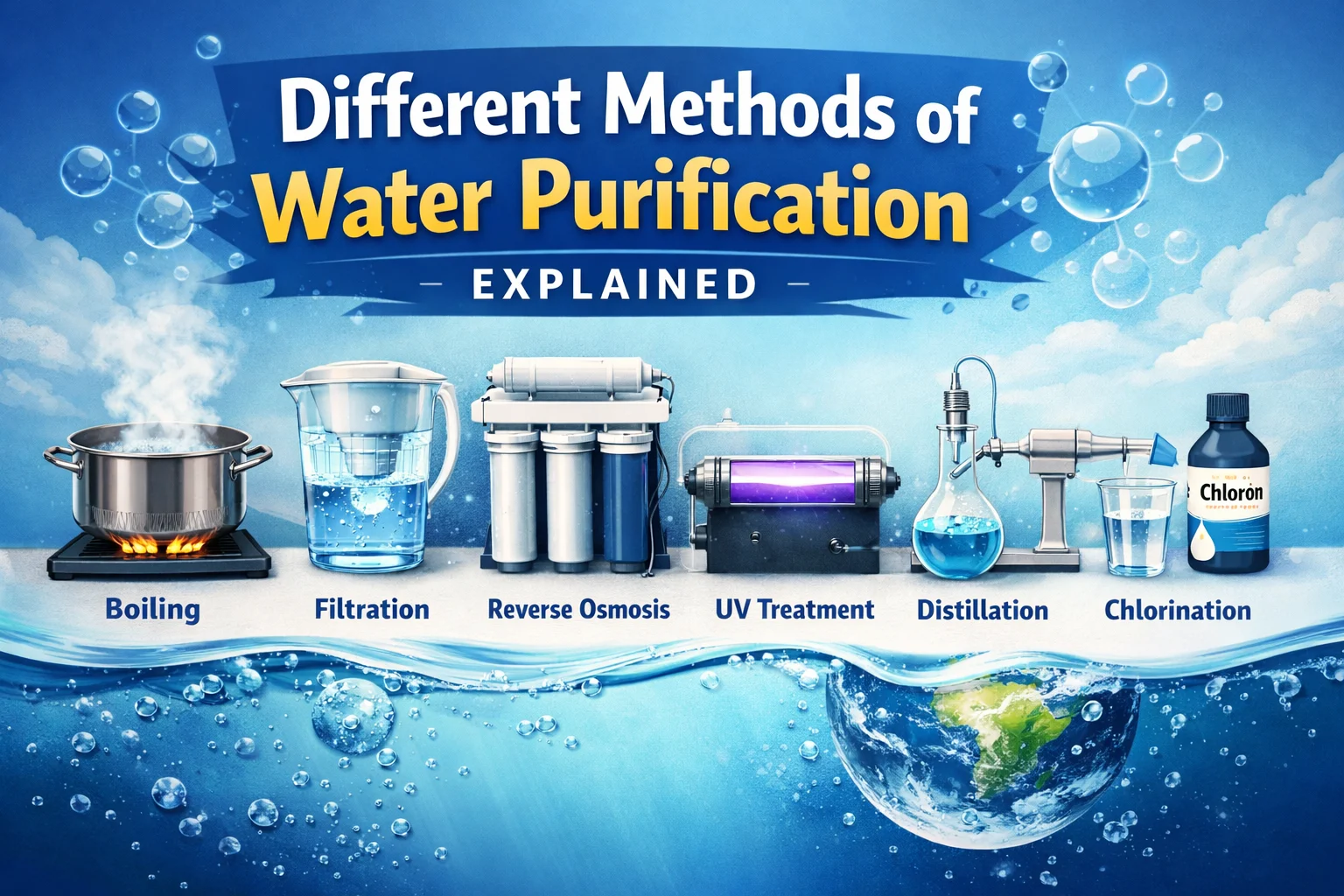
Processed through reverse osmosis, distillation, or carbon filtration to remove impurities and contaminants.
4. Distilled Water
Boiled and condensed to remove minerals. Very pure, but not always ideal for daily consumption due to mineral removal.
5. Mineral Water (Non-Carbonated)
Contains naturally occurring minerals like calcium, magnesium, and sodium. Available in still and sparkling versions.
How Still Water Differs From Sparkling Water
- Still Water: No carbonation, smooth taste, light on stomach.
- Sparkling Water: Contains added CO₂, fizzy bubbles, may taste slightly acidic.
Sparkling water can feel refreshing, but still water is preferred for hydration and sensitive stomachs.
Benefits of Drinking Still Water
- Easier on digestion: No carbonation to cause bloating or gas.
- Best for hydration: Recommended by health experts and physicians.
- Neutral taste: Ideal for people who dislike fizzy sensations.
- Widely available and affordable.
- No acidity: Sparkling water is slightly acidic; still water is pH neutral.
Is Still Water the Same as Regular Water?
Yes. Regular drinking water whether tap, bottled, or filtered is considered still water. The only exception is water with added carbonation.
Is Still Water Always Safe to Drink?
Still water is safe when it meets local and national drinking standards. Bottled still water is regulated, while tap water quality can vary depending on the region.
- Use a filter if you have taste, odor, or mineral concerns.
- Check local water reports yearly.
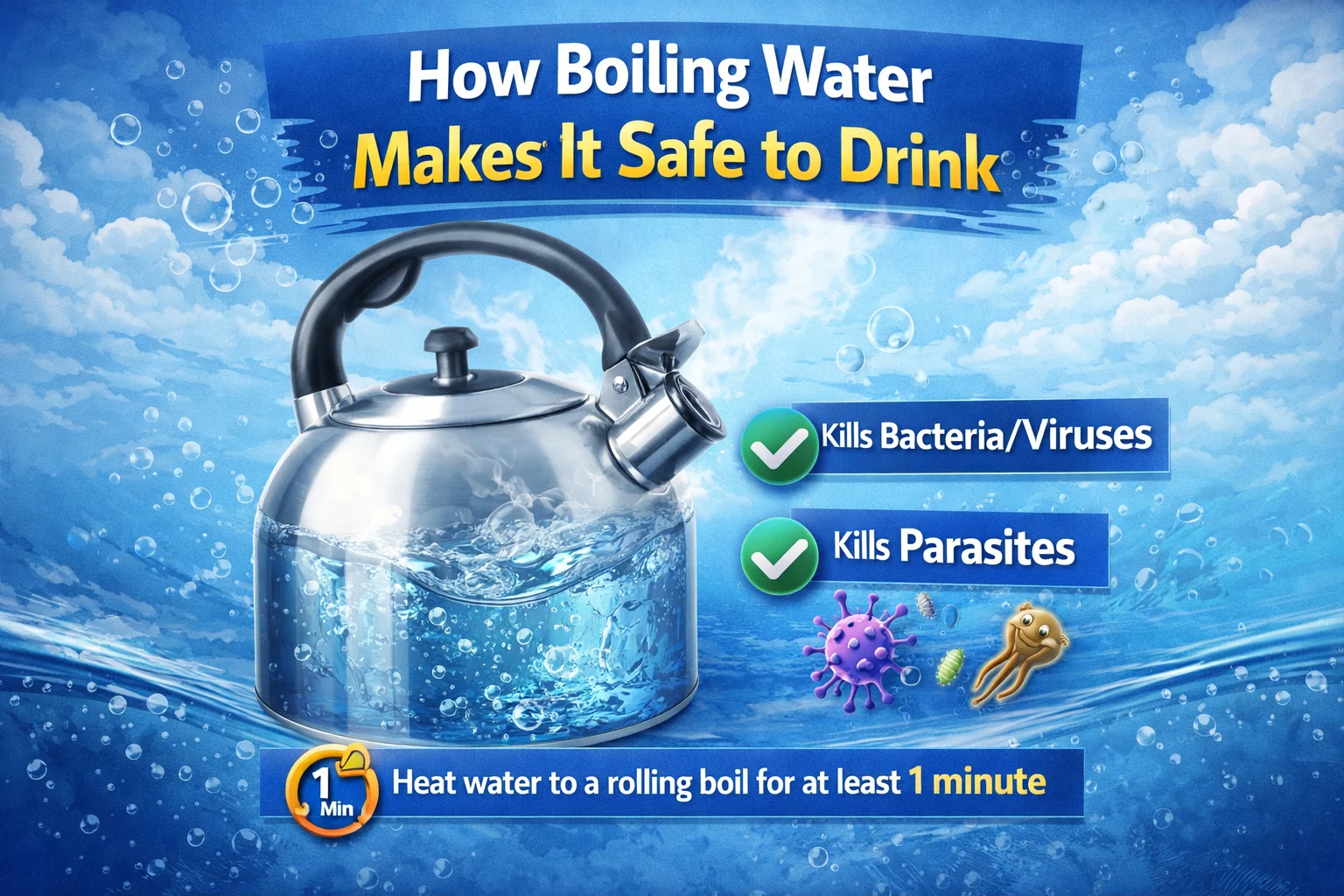
- Boil water during contamination advisories.
Comparing Types of Still Water
| Type | Minerals | Taste | Best For |
| Tap Water | Varies | Neutral | Daily use |
| Spring Water | Natural minerals | Fresh, crisp | Natural hydration |
| Purified Water | Low minerals | Very clean | Sensitive individuals |
| Mineral Water | High minerals | Rich taste | Electrolyte balance |
When to Choose Still Water
- Daily hydration
- During exercise
- For children and seniors
- With meals
- If you have acid reflux or bloating
Internal Resources for Further Reading
Explore more of our water science guides:
- Is Water Wet? Explained with Science
- How Long Can You Go Without Water?
- Is Sparkling Water Bad for Your Teeth?
- How Much Water Should You Drink Per Day?
FAQs
Is still water the same as flat water?
- Yes both terms mean non-carbonated water with no fizz.
Is still water healthier than sparkling water?
- Both are safe, but still water is easier on digestion and teeth.
Does still water contain minerals?
- It depends on the source spring and mineral waters contain minerals; purified or distilled water contains very few.
Can you drink still water every day?
- Yes it is the best and most recommended form of hydration.
1 Comment
Boiling Point of Water: Science & Everyday Uses
December 1, 2025[…] What Is Still Water? […]