
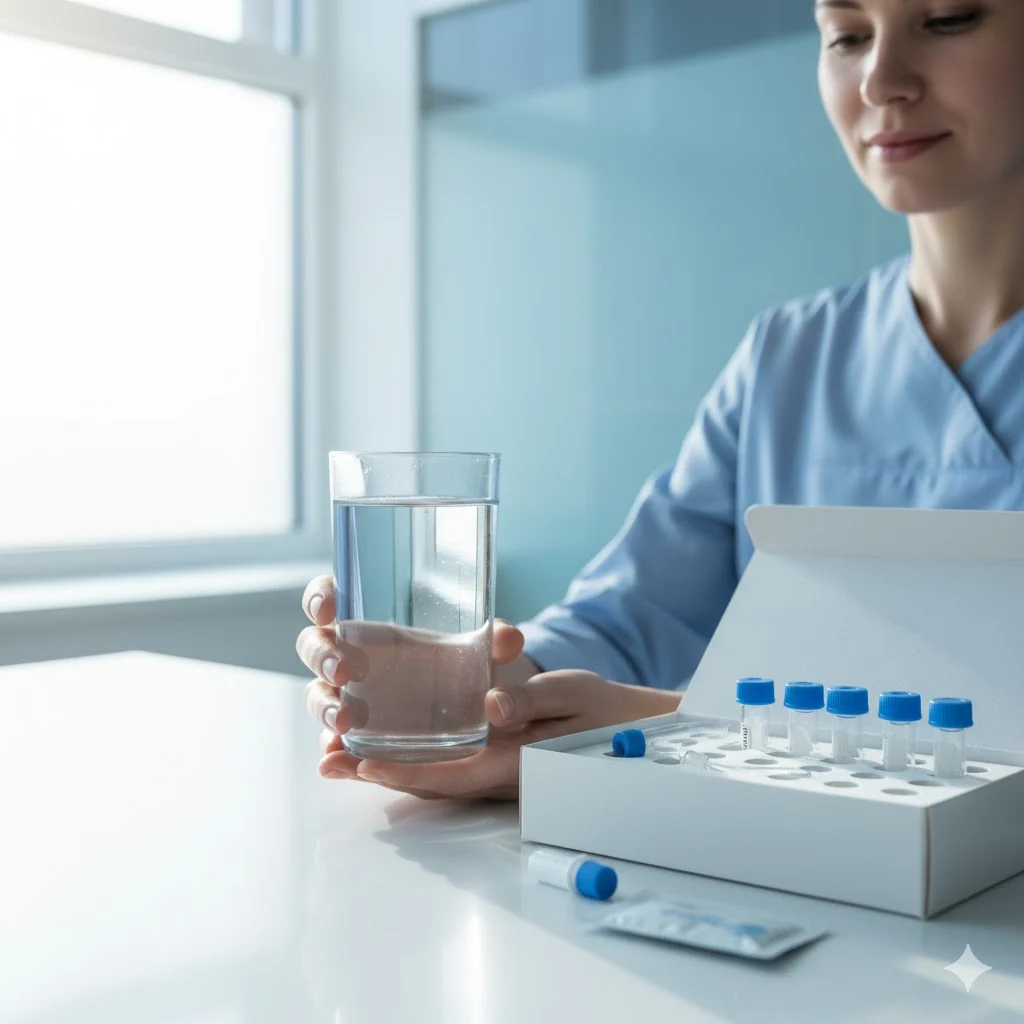

Can I Drink Water Before a Fasting Blood Test?
Updated on , U.S. medical testing guide
Fasting blood tests measure substances in your blood after you have not eaten or drunk anything (except water) for a certain period. Tests like glucose, lipid panels, or metabolic panels rely on accurate fasting results. Learn what you can drink, how long to fast, and how to prepare for the test day.
For more background, see Mayo Clinic’s guide on blood tests.
What “Fasting” Means Before a Blood Test
- Typical fasting window: 8 to 12 hours before your blood draw (overnight for morning tests).
- Purpose: To prevent food or drink from affecting sugar, lipid, or metabolic results.
- Common fasting tests: Blood glucose, lipid panel, basic metabolic panel (BMP), comprehensive metabolic panel (CMP). Reference: Cleveland Clinic fasting guide.
Is Water Allowed Before a Fasting Blood Test?
Yes, water is encouraged. Drinking water keeps your veins more visible and prevents dehydration, which can make it harder to collect your sample. It does not affect blood sugar or fat levels, so it is safe to drink in moderation before your test.
According to Harvard Health, proper hydration can improve blood flow and test accuracy.
- Plain still water: Always allowed.
- Sparkling water: Allowed only if unflavored and unsweetened (no minerals, sugar, or sodium added).
- Flavored or infused water: Avoid, as natural flavors can trigger digestive responses that skew results.
Drinks to Avoid Before Fasting Tests
- Coffee or tea: Even black coffee contains caffeine that can alter results.
- Juice, milk, or soda: Add sugars and calories that interfere with glucose or cholesterol tests.
- Alcohol: Can lower or raise blood sugar and liver enzyme readings. See CDC Alcohol and Health facts.
- Chewing gum: May trigger digestion and release insulin, affecting accuracy.
Tips to Prepare for a Fasting Blood Test
- Schedule your test early in the morning so the fasting period is mostly overnight.
- Drink a glass of plain water before leaving home to stay hydrated.
- Take regular medications only if approved by your doctor, as some may need timing adjustments.
- Bring a snack or meal for after your blood draw to re-energize safely.
Why Following the Rules Matters
Even small deviations, such as sipping coffee or chewing gum, can impact sensitive tests. For example, glucose or lipid readings may appear falsely high.
Learn more about fasting and lab accuracy from LabTestsOnline.org.
At-a-Glance Guide: What You Can Drink
| Drink | Allowed Before Test? | Reason |
|---|---|---|
| Plain water | Yes | Keeps you hydrated; no effect on results. |
| Sparkling water (unflavored) | Maybe | Safe if no added sodium, minerals, or flavors. |
| Coffee / tea | No | Caffeine and compounds affect sugar and lipid levels. |
| Juice / milk / soda | No | Contain sugar and calories that distort fasting data. |
| Alcohol | No | Alters glucose and liver readings. |
FAQs
Can I drink water before a fasting blood test?
- Yes. Plain water is encouraged, it helps veins stay hydrated and does not affect blood test results. See Mayo Clinic for confirmation.
What if I accidentally had coffee or juice?
- Tell your lab technician. Some tests may need rescheduling if food or caffeine was consumed. Reference: Healthline – Fasting Before Blood Test.
How long should I fast before a blood test?
- Usually 8 to 12 hours without food or drink except plain water. Always follow your doctor’s specific instructions. MedlinePlus Fasting Guide.
