
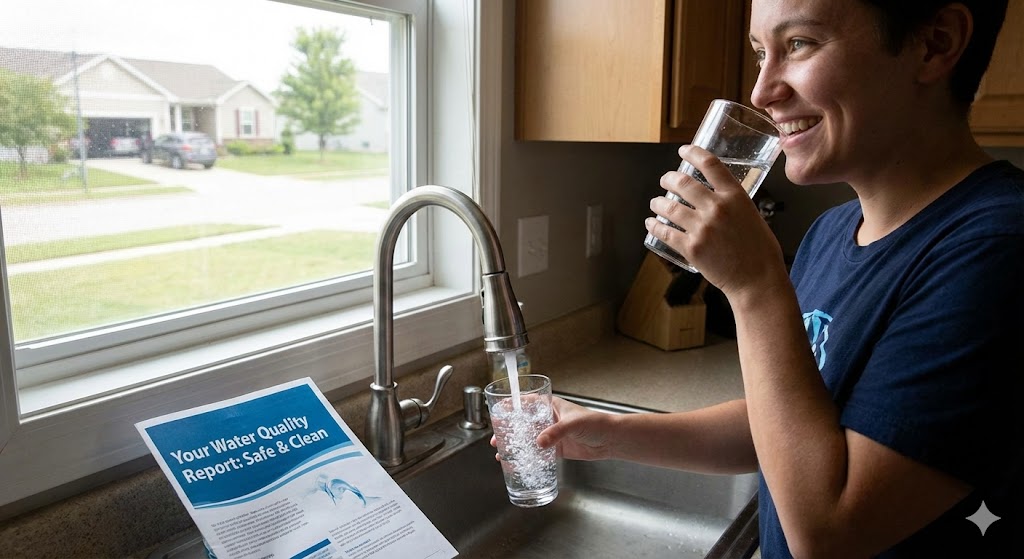

Is Tap Water Safe to Drink in the USA? What Most People Don’t Know
Updated on
Yes, tap water in the United States is generally safe to drink and regulated by the EPA. However, safety can vary by location due to aging pipes, local contaminants, or home plumbing conditions.
- Federal regulation: Yes (EPA)
- Local variation: Common
- Filtration needed: Depends on location & plumbing
Tap water is the primary source of drinking water for most Americans. While the U.S. has one of the most advanced water treatment systems in the world, concerns about lead pipes, chemical disinfectants, and aging infrastructure have made many people question whether tap water is truly safe to drink.

Who Regulates Tap Water in the United States?
Public drinking water systems in the U.S. are regulated by the Environmental Protection Agency (EPA) under the Safe Drinking Water Act. The EPA sets enforceable limits for more than 90 contaminants, including bacteria, heavy metals, and chemicals.
Local utilities are required to test water regularly and publish an annual Consumer Confidence Report (CCR) that details local water quality.
Why Tap Water Quality Varies by Location
Even with federal standards, tap water quality can differ widely across cities and neighborhoods. Factors such as water source, treatment methods, and pipe age all influence final water quality.
- Old lead or galvanized pipes
- Disinfection chemicals like chlorine or chloramine
- Agricultural or industrial runoff
- Naturally occurring minerals (hard water)

Common Contaminants Found in Tap Water
Most U.S. tap water meets legal safety standards, but trace contaminants may still be present. These usually remain below regulatory limits but can affect taste, odor, or sensitive populations.
- Chlorine and chloramine
- Lead from plumbing
- Nitrates from fertilizers
- Hard water minerals
Should You Filter Tap Water?
Not everyone needs a water filter, but filtration can improve taste and reduce specific contaminants. Homes built before 1986, pregnant women, and families with infants may benefit the most.
Basic carbon filters reduce chlorine taste, while reverse osmosis systems remove a broader range of contaminants.
How to Check If Your Tap Water Is Safe
- Review your local Consumer Confidence Report (CCR)
- Watch for boil-water advisories
- Notice unusual taste, smell, or color
- Consider professional water testing
You may also find these guides helpful:
daily water intake and
sparkling water safety.
FAQs
Is U.S. tap water safe to drink?
- Yes, it is generally safe, but quality can vary by location.
Is tap water safer than bottled water?
- Often yes, because tap water is tested more frequently.
Does boiling tap water remove chemicals?
- No, boiling kills microbes but does not remove chemical contaminants.

2 Comments
Is It Safe to Drink Water From Plastic Bottles Daily?
December 19, 2025[…] a deeper dive into municipal water safety, read our guide: Is Tap Water Safe to Drink in the USA?. If your tap water is hard (leaving scale deposits), it might taste bad but is usually safe. You […]
What Is the Best Water to Drink? Ranked Guide
December 28, 2025[…] Tap water in the US is strictly regulated by the EPA (often more than bottled water). However, older pipes can introduce lead. Using a carbon filter removes bad tastes and contaminants while keeping healthy minerals. Check your local safety with our Tap Water Safety Guide. […]