Chlorine is commonly added to tap water to kill bacteria and make it safe for consumption. However, it can leave an unpleasant taste and smell. If you want cleaner and better-tasting water, removing chlorine is a great step. This guide explains how to remove chlorine from tap water effectively.
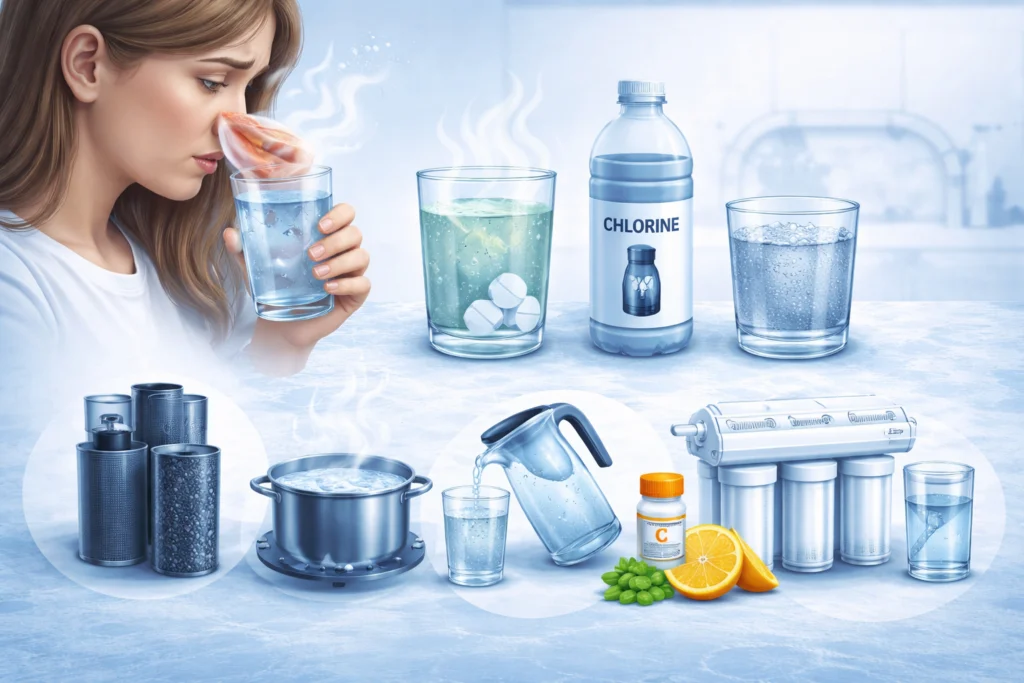
You can remove chlorine from tap water using activated carbon filters, boiling, aeration, vitamin C treatment, and RO purification. Activated carbon filters are the most effective and commonly used method.
Why Is Chlorine Added to Water?
Chlorine is used in water treatment to disinfect and kill harmful bacteria and viruses. While it helps make water safe, it can affect taste, smell, and overall quality.
Problems Caused by Chlorine in Water
- Unpleasant taste and odor
- Dry skin and hair
- Potential formation of by-products
- Impact on cooking and beverages
Best Ways to Remove Chlorine from Tap Water
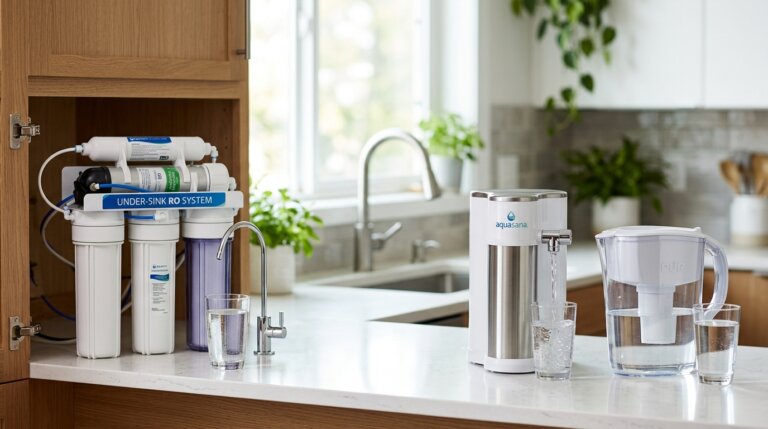
1. Activated Carbon Filters
Carbon filters absorb chlorine and improve water taste and smell effectively.
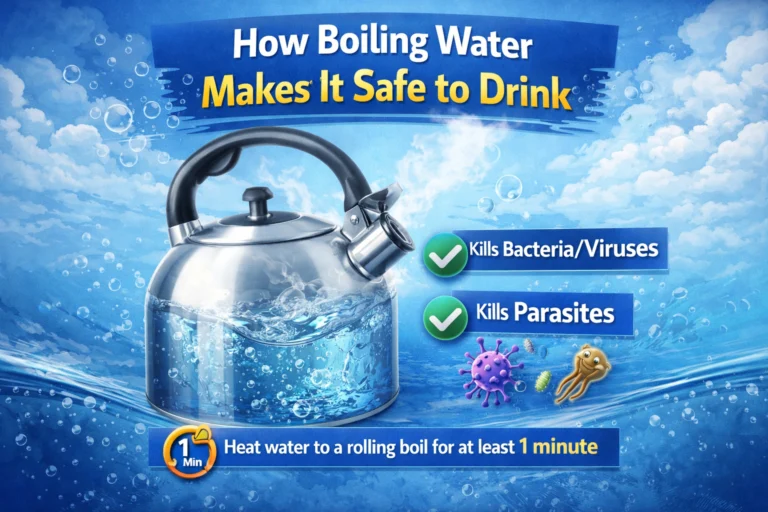
2. Boiling Water
Boiling water for 10–15 minutes helps evaporate chlorine.
3. Aeration
Letting water sit exposed to air allows chlorine to dissipate naturally.
4. Vitamin C Treatment
Adding vitamin C (ascorbic acid) neutralizes chlorine quickly.
5. Reverse Osmosis (RO)
RO systems remove chlorine and other contaminants for purified water.
Comparison of Chlorine Removal Methods
| Method | Effectiveness | Ease of Use |
|---|---|---|
| Carbon Filter | High | Easy |
| Boiling | Moderate | Easy |
| Aeration | Moderate | Easy |
| Vitamin C | High | Moderate |
| RO System | High | Moderate |
Which Method Is Best?
Activated carbon filters are the most practical solution for everyday use. For complete purification, RO systems provide the best results. Simple methods like boiling and aeration are useful for short-term solutions.
FAQs
Is chlorine in tap water harmful?
It is safe in small amounts but can affect taste and smell.
What is the easiest way to remove chlorine?
Using a carbon filter is the easiest and most effective method.
Does boiling remove chlorine?
Yes, boiling helps evaporate chlorine from water.
Can RO remove chlorine?
Yes, RO systems effectively remove chlorine and other impurities.
Conclusion
Removing chlorine from tap water improves taste, smell, and overall water quality. Using methods like carbon filters, RO systems, or simple home techniques ensures clean and fresh drinking water for your household.