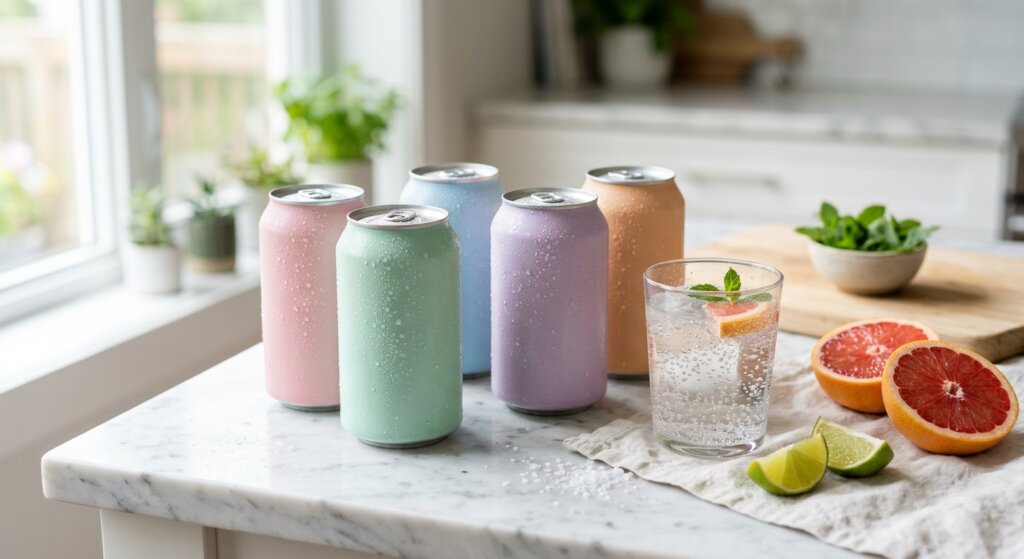
LaCroix did not invent sparkling water, but it invented the modern sparkling water aisle. The pastel cans became a cultural shorthand for the entire category — and the brand every competitor gets measured against.
In this review we look past the branding: what is actually in a can of LaCroix, whether it is healthy to drink daily, which flavors are worth it, the famous “tastes like nothing” complaint, and how it holds up against Bubly, Spindrift, Waterloo, and Topo Chico.
What Is LaCroix?
LaCroix (pronounced “la-CROY”) is an American sparkling water brand owned by National Beverage Corp. It dates back to 1981 in Wisconsin, but its cultural moment came in the 2010s, when the colorful cans became the unofficial drink of offices, wellness culture, and the anti-soda movement.
The product itself is simple: carbonated water flavored with natural essences. No sugar, no sweeteners, no sodium, no calories, no caffeine — a formula the brand has kept unchanged while the category exploded around it.
Today LaCroix remains one of the best-selling sparkling waters in the US, with a large flavor roster spanning citrus classics to more adventurous “Curate” style blends.
Ingredients & the “Natural Essence” Question
A can of LaCroix lists two ingredients: carbonated water and natural flavor (essence). That brevity is exactly what made people suspicious — what is “essence,” really?
Essence is the aromatic compounds naturally extracted from fruit, typically by heating the fruit’s skin or rind and capturing the vapors. It carries the smell and flavor character of the fruit without its juice, sugar, or acid.
Nutritionally, every classic LaCroix is identical: 0 calories, 0 g sugar, 0 g carbs, 0 mg sodium, 0 caffeine. There are no artificial sweeteners in any flavor, which distinguishes it from diet sodas and many “zero” drinks.
Is LaCroix Healthy?
Yes — for what it is, LaCroix is one of the cleanest drinks in the supermarket. With no sugar, sweeteners, or calories, it avoids everything that makes soda a problem, and it hydrates essentially like water.
As a soda replacement, the math is compelling: swapping a daily can of cola for LaCroix removes roughly 140 calories and 39 grams of sugar a day — over 14 kilograms of sugar a year — while keeping the fizzy ritual intact.
The standard sparkling-water caveats apply: mild acidity from carbonation (covered below), and gas that can bother people with reflux, IBS, or bloating. Neither is a reason for most people to avoid it.
For the bigger picture on daily sparkling water, see our guide to the healthiest sparkling water for daily drinking.
The Old “Cockroach Insecticide” Claim, Debunked
In 2018, a lawsuit alleged LaCroix’s natural flavors included compounds “used in cockroach insecticide,” and the headline never quite died on social media. It deserves a clear answer.
The compounds in question — such as limonene and linalool — are naturally occurring flavor and aroma molecules found in citrus fruits, lavender, and countless foods. The fact that a molecule has an industrial use elsewhere says nothing about its safety in food at flavor concentrations; by that logic, water’s use in factories would make it suspicious.
The lawsuit was voluntarily dismissed in 2019, and the plaintiff’s own testing did not support the alarming framing. Regulators classify these flavor compounds as safe for use in food. The scare made great headlines and poor science.
Flavor Rundown: Best & Worst
LaCroix’s roster is large and rotates limited editions, but the core lineup covers the essentials: Lime, Lemon, Grapefruit (Pamplemousse), Tangerine, Passionfruit, Berry, Black Razzberry, Coconut, Peach-Pear, Mango, Key Lime, Limoncello, and the famously divisive Coconut Cola-adjacent experiments.
The consensus standouts: Pamplemousse (grapefruit — the brand’s icon for a reason: bright, slightly bitter, refreshing), Lime (the cleanest all-rounder), and Passionfruit (one of the most convincing tropical essences in the category).
The polarising ones: Coconut (sunscreen to some, beach holiday to others) and Hi-Biscus-style florals. Because essence flavors are subtle, the “worst” flavor is usually just the one whose aroma you personally dislike.
Taste Test: The Subtlety Debate
LaCroix’s taste is the most argued-about topic in sparkling water. The flavors are deliberately faint — an aroma and a suggestion rather than a punch. Critics joke it “tastes like drinking TV static while someone shouts fruit names in the next room.”
That subtlety is a feature, not a flaw, for its core audience. Faint flavor makes LaCroix endlessly sessionable: you can drink cans all day without palate fatigue, pair it with any food, and never feel like you are drinking something sweet.
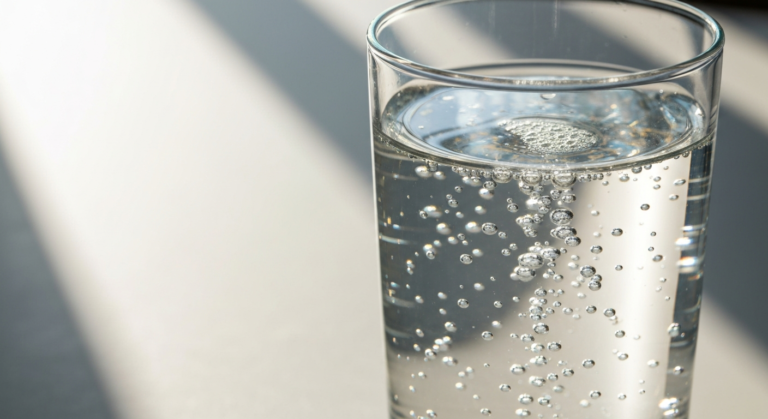
Carbonation is light-to-medium with soft, fine bubbles — noticeably gentler than Topo Chico’s sharp mineral fizz and a touch lighter than Bubly. Served ice-cold, the essences read much clearer; lukewarm LaCroix is where the “tastes like nothing” reputation comes from.
LaCroix vs Bubly, Spindrift & Others
| Brand | Flavor Source | Flavor Intensity | Character |
|---|---|---|---|
| LaCroix | Natural essence | Subtle | Light, sessionable, soft fizz |
| Bubly | Natural essence | Bold | Forward flavor, soft fizz |
| Spindrift | Real fruit juice | Juicy | Real fruit, slight calories |
| Waterloo | Natural flavor | Vivid | Aromatic, fuller fizz |
| Topo Chico | Mineral water base | Mineral | Sharp bubbles, mineral bite |
The decision tree is simple. Want subtle, all-day fizz? LaCroix. Want the same clean formula with louder flavor? Bubly or Waterloo. Want real fruit? Spindrift. Want mineral character and aggressive bubbles? Topo Chico.
Does LaCroix Hydrate You?
Yes. Unsweetened sparkling water hydrates essentially as well as still water, so every can counts toward your daily fluid intake.
LaCroix’s subtlety is actually an advantage here: because it is so light, people comfortably drink more of it than heavier or sweeter alternatives, which raises total daily fluid intake in practice.
If fizz makes you feel full before you have drunk enough, alternate cans with still water — a limitation of carbonation generally, not LaCroix specifically.
Teeth, Acidity & Daily Drinking
Like all sparkling water, LaCroix is mildly acidic because dissolved carbon dioxide forms carbonic acid. It is far less acidic than soda, juice, or sports drinks, but not as neutral as still water.
For typical consumption — a few cans a day — the enamel impact is minor, and the absence of sugar makes it dramatically gentler than any sweetened drink. Citrus flavors run slightly more acidic than berry or coconut ones.
Heavy all-day sippers can hedge easily: drink it with meals, rinse with plain water after, and do not brush immediately after an acidic drink.
Price & Value
LaCroix sits in the affordable core of the category — typically similar to Bubly, cheaper than Spindrift and Topo Chico, and widely discounted in 8- and 12-packs at almost every grocery chain.
Given identical “zero everything” nutrition across the essence brands, value comes down to taste preference and multipack pricing in your local store. LaCroix’s ubiquity means it is usually the easiest to find on sale.
Where it lands against the whole field is in our roundup of the top zero-calorie sparkling waters.
Who Should (and Shouldn’t) Drink LaCroix Daily
Great fit: all-day sippers who want something more interesting than plain water but never sweet, soda quitters who need the can-cracking ritual, and anyone who finds bold flavored waters cloying by the third can.
Think twice: people who want real flavor payoff (you will be happier with Bubly, Waterloo, or Spindrift), people with reflux or IBS aggravated by carbonation, and anyone expecting juice-like taste from essence water.
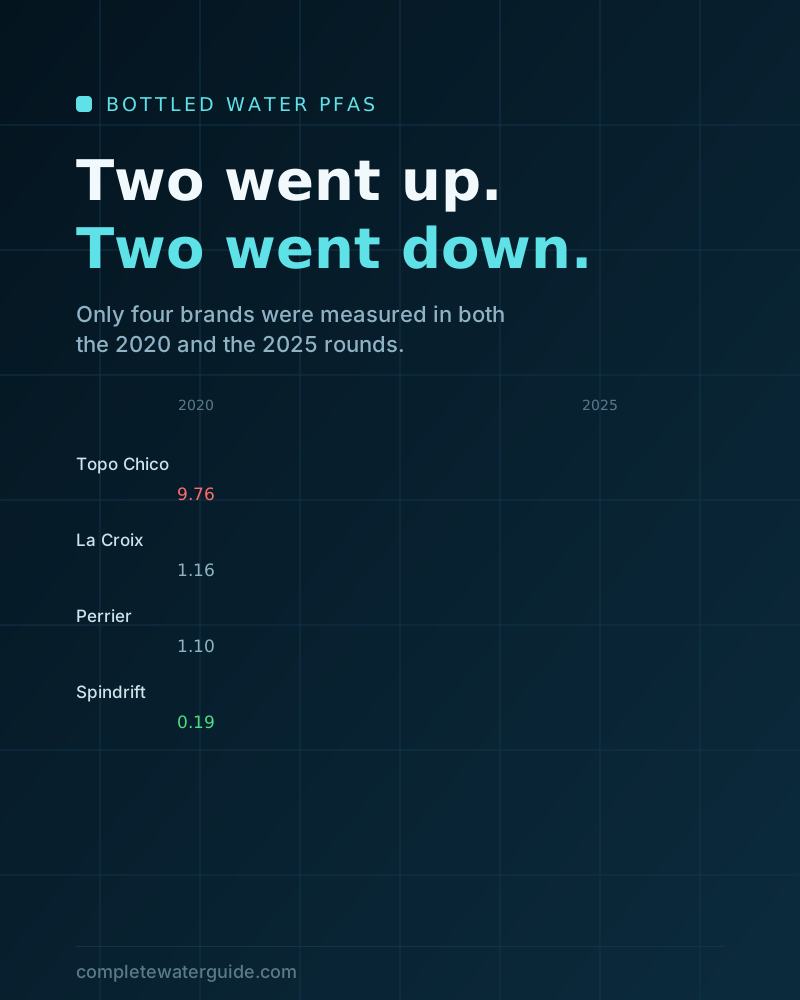
One more note: if you have seen discussion about PFAS testing in bottled and sparkling waters, our report on LaCroix PFAS testing covers what independent tests have found and what the results actually mean.
Pros & Cons
Pros
- Two-ingredient formula: carbonated water + natural essence, nothing else
- Zero calories, sugar, sweeteners, sodium, and caffeine — every flavor
- Extremely sessionable; subtle taste never fatigues the palate
- Huge availability and frequent multipack deals
- Large flavor roster with genuine standouts (Pamplemousse, Lime, Passionfruit)
Cons
- Flavors are faint — bold-flavor drinkers will call it watery
- No real juice and no mineral character
- Some flavors (Coconut, florals) are strongly love-or-hate
- Needs to be served cold to taste like anything at all
Frequently Asked Questions
Is LaCroix good for you?
Yes. LaCroix contains only carbonated water and natural essence — zero sugar, sweeteners, calories, and sodium — making it one of the cleanest drinks available and an excellent soda replacement. The only caveats are mild carbonation acidity and possible bloating for sensitive stomachs.
What does “natural essence” in LaCroix mean?
Essence is the aromatic compounds extracted from real fruit, usually captured as vapor from heated fruit skins. It provides smell and flavor character without juice, sugar, or acid — which is why LaCroix tastes of fruit while containing no fruit juice.
Does LaCroix have artificial sweeteners?
No. No LaCroix flavor contains artificial or natural sweeteners of any kind. The entire lineup is unsweetened — the flavor comes purely from natural fruit essence.
Was LaCroix really found to contain insecticide ingredients?
No. A 2018 lawsuit highlighted that some natural flavor compounds in LaCroix, like limonene, also have industrial uses. These are safe, naturally occurring molecules found in citrus and many foods. The lawsuit was voluntarily dismissed in 2019 and the claim did not hold up.
Does LaCroix count as water intake?
Yes. Unsweetened sparkling water hydrates essentially as well as still water, so LaCroix counts fully toward your daily fluid intake. Its light taste often helps people drink more fluid overall.
Is LaCroix bad for your teeth?
LaCroix is mildly acidic from carbonation but contains no sugar, making it far gentler on enamel than soda or juice. Moderate daily drinking is fine for most people; having it with meals and rinsing with water afterward minimises any effect.
Why does LaCroix taste so weak to some people?
Because it uses essence rather than juice or added flavor compounds at high doses, LaCroix is intentionally subtle. Temperature matters too: served ice-cold the essences read clearly, while a warm can genuinely does taste like very little.
Which LaCroix flavors are best?
Pamplemousse (grapefruit) is the icon — bright with a pleasant bitter edge. Lime is the cleanest all-rounder, and Passionfruit is one of the most convincing tropical essences in the category. Coconut and the floral flavors are the most polarising.
Related Guides
- The Healthiest Sparkling Water for Daily Drinking
- LaCroix PFAS Testing: What Independent Tests Found
- Bubly Sparkling Water Review
- Spindrift Sparkling Water Review
- Top Zero-Calorie Sparkling Waters Ranked
References & Sources
- LaCroix — Official Product Information
- U.S. FDA — Overview of Food Ingredients & Flavors
- CDC — Water and Healthier Drinks
The Bottom Line
LaCroix earned its place at the top of the category with a genuinely clean formula and a subtle, sessionable character no competitor has quite matched. As an everyday water upgrade or a soda exit ramp, it works exactly as promised.
Just buy it for what it is: gentle fizz with a whisper of fruit, best served ice-cold. If your palate wants volume, Bubly and Waterloo turn the flavor up; if it wants real fruit, Spindrift delivers it. For quiet, all-day refreshment, the pastel can still rules.