⚡ Quick Picks — jump to full buying guide ↓
Topo Chico Glass (12-Pack)
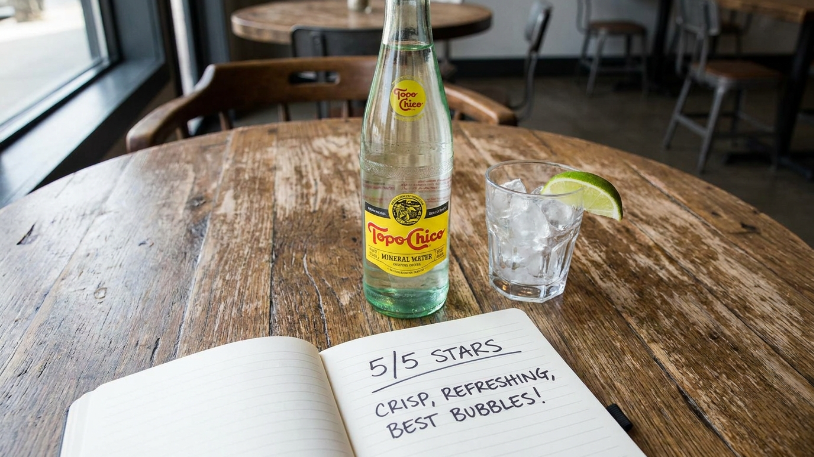
Aggressive carbonation, mineral profile. The bartender’s pick, best in glass.
Check Price
Spindrift Variety Pack
Cleanest tested PFAS (0.19 ppt, vs Topo Chico’s 3.9 ppt retest average), real squeezed fruit.
Check Price
What Topo Chico Actually Is
Topo Chico is not purified water with CO2 added — it is a natural mineral water from the Cerro del Topo Chico spring in Monterrey, Mexico. That distinction matters: natural mineral waters carry real minerals from the geological formations the water passes through. Topo Chico’s slightly salty, sharp taste comes from the calcium, magnesium, potassium, and sodium naturally present in its spring — not from added ingredients.
The brand has been bottled commercially since 1895 and spent most of its history as a regional product — beloved in northern Mexico and the American Southwest, particularly Texas, but largely unknown elsewhere. Coca-Cola acquired it in 2017 for approximately $220 million, recognizing the opportunity to scale a cult sparkling water nationally — the same trajectory that La Croix, Spindrift, and Waterloo had ridden earlier that decade.
Since the acquisition, Coca-Cola has expanded Topo Chico’s distribution significantly, invested in production infrastructure including new filtration systems, launched a Hard Seltzer line, and added flavored varieties. The brand now sits between premium European imports (Perrier, San Pellegrino) and mass-market domestic sparkling waters (La Croix, Waterloo) in positioning and price.
Mineral Content — What Makes It Different
Topo Chico’s flavor is distinctive because of its real mineral profile. Unlike La Croix (purified water plus natural flavors) or Waterloo (purified water plus natural essences), Topo Chico contains dissolved minerals from its spring source. Here’s how it compares:
| Mineral Factor | Topo Chico (per 12oz) | La Croix | Perrier |
|---|---|---|---|
| Sodium | 15mg | <5mg | ~12mg |
| Calcium | 40mg | None significant | Present |
| Magnesium | Present (natural) | None significant | Present |
| Calories | 0 | 0 | 0 |
| Sugar | 0g | 0g | 0g |
| Sweeteners | None | None | None |
Topo Chico values per 355mL / 12 fl oz, from Coca-Cola’s published nutrition panel.
Topo Chico’s sodium — 15mg per 12 fl oz bottle, per Coca-Cola’s published nutrition panel — is often described as high, but it sits at roughly a tenth of the FDA’s 140mg-per-serving threshold for a “low sodium” label. What actually distinguishes Topo Chico from the purified sparkling water crowd is the overall mineral load: calcium, magnesium and potassium alongside that sodium, where most La Croix flavors have essentially none. That mineral content gives Topo Chico its signature slightly salty, earthy finish and is precisely why it works so well in cocktails — the mineral salinity amplifies flavor complexity in the way a pinch of salt elevates food.
The PFAS Story — The Numbers and Their Basis
In September 2020, Consumer Reports’ independent bottled water testing delivered bad news: at 9.76 parts per trillion total PFAS in a single sample, Topo Chico was the highest of all 47 products tested — nearly twice the IBWA’s 5 ppt voluntary limit. The announcement spread quickly and damaged the brand’s image significantly, especially as PFAS awareness was growing among health-conscious consumers.
What happened next is important, but it needs care. Coca-Cola invested in filtration upgrades at Topo Chico’s production facilities, and a later Consumer Reports retest reported an average of 3.9 ppt. Note the difference in basis: 9.76 ppt was a single sample, while 3.9 ppt is an average across samples. Because the two rest on different sampling bases they cannot honestly be expressed as a percentage change or a before-and-after ratio, and no independent retest has confirmed the lower figure. Taking the 3.9 ppt average at face value, Topo Chico sits:
- Below the IBWA’s 5 ppt industry standard ✅
- Below the EPA’s 2024 Maximum Contaminant Level of 4 ppt for individual PFOA/PFOS ✅ — though only narrowly
- Still above La Croix’s 1.16 ppt ⚠️ — if PFAS minimization is a priority
For the full context on what PFAS levels mean for drinking water safety, see our La Croix PFAS investigation which covers the EPA’s 2024 rule and FDA’s April 2025 bottled water testing in detail. For the full sparkling category ranked by tested PFAS, see our guide to the healthiest sparkling water brands.
Topo Chico Varieties — What to Try First
Original Mineral Water — Start Here
Two ingredients: spring water and carbon dioxide. The purest expression of the Cerro del Topo Chico spring’s mineral character — stronger carbonation than any comparable mainstream sparkling water, a slight salinity on the finish, and a clean but distinctly mineral profile. The foundation for every Ranch Water cocktail. If you haven’t had Topo Chico, this is the one to try first.
Twist of Lime — The Most Popular Variant
Natural lime flavor added to the mineral base. Works exceptionally well because Topo Chico’s mineral salinity naturally complements citrus. Unlike La Croix Lime (which tastes like lime-scented air), Topo Chico Lime has enough mineral backbone that the flavors actually land. The most ordered option wherever the flavored line is carried.
Twist of Grapefruit — The Underrated One
Natural grapefruit flavor with Topo Chico’s mineral base. The mineral salinity adds a savory dimension that most grapefruit sparkling waters lack. If you like citrus that pushes slightly savory, this is your best option in the lineup.
Tangerine — The Bold Move
The most adventurous flavor. Tangerine’s sweetness plays unusually well against Topo Chico’s sharp carbonation. Less widely distributed than Lime and Grapefruit — check regional availability before expecting to find it consistently.
Topo Chico Hard Seltzer — The Separate Product
A distinct alcoholic product (4.7% ABV) — not mineral water. Available in Strawberry Guava, Lime, Tangerine, Tropical Mango. Increasingly common in search results, which can cause confusion. If you want the non-alcoholic mineral water, make sure you’re looking at the right product.
Glass Bottle vs Aluminum Can — Does It Actually Matter?
Topo Chico is available in both glass bottles and aluminum cans, and most enthusiasts insist the glass tastes better. This isn’t entirely brand mythology.
Glass is completely inert. The mineral water has zero interaction with the packaging — what comes from the spring is what you taste, unchanged. Glass also maintains carbonation more consistently through temperature fluctuation during transit and storage.
Aluminum cans have an interior food-safe lining that acts as a barrier between the mineral water and the metal. Most people can’t distinguish the taste difference in blind tests, but a subset of regular Topo Chico drinkers — especially those who drink it weekly — notice a subtle difference they associate with the can lining interacting faintly with the mineral character.
Practical recommendation: glass for drinking straight, in cocktails, or when flavor is the priority. Can for on-the-go, outdoor use, gym bags, or anywhere glass is impractical. The mineral water inside is identical.
Topo Chico vs Other Premium Sparkling Waters
| Brand | Source | Carbonation | Sodium | PFAS Level | Price Tier |
|---|---|---|---|---|---|
| Topo Chico | Natural spring (Mexico) | Very High | 15mg/12oz | 9.76 ppt single sample (2020); 3.9 ppt retest average | Mid-premium |
| Perrier | Natural spring (France) | High | ~12mg/12oz | ~1.1 ppt (2020) | Premium |
| San Pellegrino | Natural spring (Italy) | Medium-High | ~11mg/12oz | 0.31 ppt (2020) | Premium |
| La Croix | Purified water | Medium | <5mg | 1.16 ppt (2020) | Standard |
| Waterloo | Purified water | Medium | <5mg | No published data | Standard |
San Pellegrino’s label figure is 31.2 mg/L, which works out to roughly 11mg per 355mL serving.
Topo Chico’s position is clear: highest carbonation, real mineral profile, price below European imports but above domestic purified sparkling waters. Sodium is not what separates these brands — all five sit far below the FDA’s 140mg “low sodium” threshold. If you’re choosing between mineral waters, Topo Chico competes directly with Perrier and San Pellegrino — at a lower price and with higher carbonation, but with the weakest PFAS record of the three.
The Cocktail Case — Why Bartenders Choose Topo Chico
Topo Chico has become the preferred cocktail sparkling water for a growing number of professional bartenders in the US, particularly in the Southwest and in craft cocktail circles. Three things drive this:
Carbonation endurance. Topo Chico’s aggressive carbonation holds up better than lighter sparkling waters after mixing. When you pour La Croix into a spirit, the bubbles die relatively fast. Topo Chico maintains its bubble structure longer, giving cocktails better texture and a livelier finish.
Mineral salinity as flavoring. The mineral content — 15mg of sodium per bottle alongside calcium and magnesium — acts as a flavor amplifier in cocktails, the same reason a pinch of salt improves food. It lifts other flavors without being obviously salty, adding complexity that plain sparkling water can’t provide.
The Ranch Water effect. The Topo Chico Ranch Water cocktail (blanco tequila + Topo Chico + fresh lime) became a national phenomenon in 2020-2021 and is now a menu staple at bars across the US. Its emergence proved that sparkling water brand identity could become a cocktail identity — a position Topo Chico now owns.
The Tooth Enamel Question — How Much Risk?
Carbonated water is slightly acidic (pH approximately 4.5-6.0) due to dissolved CO2 forming carbonic acid. With sustained frequent exposure, acidic liquids can contribute to tooth enamel erosion. Topo Chico’s higher carbonation means slightly more acidity than softer sparkling waters.
The critical context from a 2016 British Dental Journal study: plain sparkling water is approximately 100 times less damaging to tooth enamel than regular soda and significantly less harmful than citrus juices. For most people drinking 1-2 bottles per day alongside still water and maintaining normal dental hygiene, the risk is negligible.
If you drink Topo Chico heavily: drink it with meals rather than sipping constantly, rinse with still water afterward, don’t use it as a mouth rinse, and don’t replace all still water intake with sparkling. The Topo Chico mineral content may actually provide some protective calcium buffering effect, though this hasn’t been specifically studied.
Who Should Drink Topo Chico (and Who Shouldn’t)
✅ Drink It If You…Love aggressive carbonation. Want real mineral water character instead of purified-water sparkling. Use sparkling water as a cocktail mixer. Live in Texas or the Southwest and love the brand. Want premium mineral water character without European import pricing.
⚠️ Be Cautious If You…Want the lowest available PFAS — La Croix, Perrier and San Pellegrino all test lower, and Topo Chico’s record is the weakest in the category. Have active dental sensitivity — higher carbonation means slightly more acidity.
❌ Skip It If You…Prefer subtle, neutral sparkling water — La Croix or Waterloo are better. Need a strictly zero-sodium water — 15mg per bottle is low, but not zero. Are sourcing specifically based on lowest PFAS tested — other brands come in lower.
Pricing & Where to Buy
Topo Chico is widely available at grocery stores, Target, Walmart, 7-Eleven, bars, and restaurants across the US. Approximate 2026 pricing:
- Glass bottle (11.5 oz) — $1.50-2.50 at retailers, $3-5 at bars
- Aluminum can (12 oz) — $1.00-2.00
- 12-pack aluminum cans — $12-18
- 4-pack glass bottles — $7-10
Our pick on Amazon (As an Amazon Associate we earn from qualifying purchases.)
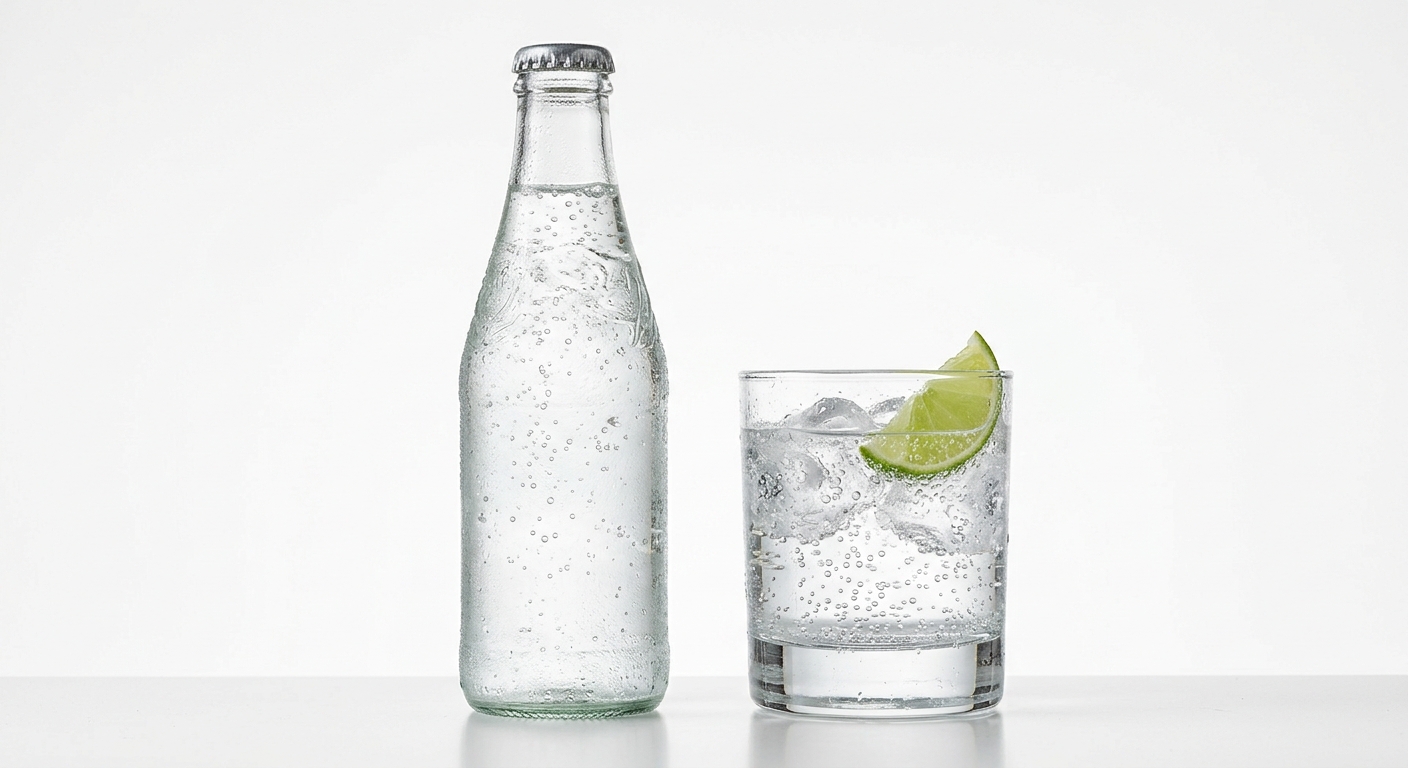
Topo Chico Mineral Water — Glass (12-Pack)
The original mineral water in glass — the format enthusiasts and bartenders prefer. Inert glass preserves the mineral character and aggressive carbonation exactly, ideal straight over ice or for Ranch Water.
Frequently Asked Questions
Is Topo Chico bad for you?
No, Topo Chico is not bad for you for most people. It has zero calories, zero sugar, and zero sweeteners, plus natural minerals from its spring source. The thing to weigh is PFAS: its 2020 Consumer Reports result of 9.76 ppt was a single sample and the highest of the 47 products tested, while a later CR retest reported an average of 3.9 ppt — different sampling bases, and no independent retest has confirmed the lower figure. Sodium is 15mg per 12 fl oz bottle, per Coca-Cola’s published nutrition panel, well under the FDA’s 140mg “low sodium” threshold. For moderate daily drinking alongside still water it is a reasonable choice.
Does Topo Chico contain PFAS?
Yes, at detectable levels. Consumer Reports’ 2020 testing found Topo Chico at 9.76 ppt in a single sample — the highest of the 47 products tested. A later Consumer Reports retest reported an average of 3.9 ppt, below the IBWA industry standard and below the EPA’s 2024 MCL of 4 ppt for individual PFAS compounds. The two figures use different sampling bases and no independent retest has confirmed the lower one.
Is Topo Chico safe to drink daily?
Yes for most adults based on current data. On the reported retest average, PFAS levels fall within regulatory safety thresholds — though that record remains the weakest of the sparkling waters tested. Sodium is 15mg per 12 fl oz bottle per Coca-Cola’s panel, roughly a tenth of the FDA’s 140mg “low sodium” threshold. The other consideration is slightly higher acidity from aggressive carbonation for those with dental sensitivity.
Where does Topo Chico water come from?
From the Cerro del Topo Chico spring near Monterrey, Mexico, bottled since 1895. Coca-Cola acquired the brand in 2017 for approximately $220 million. Unlike most sparkling waters using purified water plus added CO2, Topo Chico is natural mineral spring water reflecting its geological source.
Is Topo Chico better than Perrier?
Depends on preference. Topo Chico has stronger carbonation and is less expensive than Perrier; their sodium figures are close (15mg versus roughly 12mg per 12oz) and both are far below the FDA’s 140mg “low sodium” threshold. Perrier has moderate carbonation and a lighter profile, and tests lower on PFAS at 1.10 ppt versus Topo Chico’s 3.9 ppt retest average. For cocktail mixing, most bartenders prefer Topo Chico. For standalone drinking or food pairing, Perrier’s lighter character suits some better.
Does Topo Chico damage teeth?
Risk is minimal for normal consumption. Carbonated water is mildly acidic (pH ~5-6) but research shows it’s roughly 100 times less damaging than sodas or juices. Higher carbonation means slightly more acidity than La Croix, but for typical use alongside still water and normal dental hygiene, the risk is negligible.
Does Topo Chico have sugar or sweeteners?
No. Original and all Twist flavored varieties contain zero calories, zero sugar, and zero sweeteners. Only natural flavors are added to the Twist line. Topo Chico Hard Seltzer is a separate alcoholic product with different nutritional content.
What minerals does Topo Chico contain?
Calcium, magnesium, potassium, and sodium from the Cerro del Topo Chico spring. Coca-Cola’s published nutrition panel lists 15mg sodium and 40mg calcium per 12 fl oz bottle, with zero calories. That is higher in sodium than purified seltzers but roughly a tenth of the FDA’s 140mg “low sodium” threshold, and the overall mineral load gives Topo Chico its characteristic slightly salty, mineral finish.
Is Topo Chico good for cocktails?
Yes — it’s the preferred cocktail sparkling water for many bartenders, particularly for tequila and mezcal. Its aggressive carbonation holds up better after mixing, and mineral salinity amplifies flavor complexity. The Topo Chico Ranch Water (tequila, Topo Chico, lime) is now a national menu staple.
Why is Topo Chico so carbonated?
From naturally higher dissolved CO2 in the source spring water, supplemented by added CO2 for consistency through packaging and distribution. This combination creates sharper, longer-lasting bubbles than brands using only added carbonation in purified still water.
Glass bottle vs aluminum can — which is better?
Glass is preferred for taste — completely inert, preserves the mineral character exactly. Aluminum cans have a food-safe interior lining that some regular drinkers notice subtly affects taste. For cocktails or straight drinking, glass wins. For on-the-go, the can is more practical. The mineral water inside is identical.
Who owns Topo Chico?
Coca-Cola, which acquired the brand in 2017 for approximately $220 million from Arca Continental in Mexico. Coca-Cola has expanded distribution, launched the Hard Seltzer line, and invested in production upgrades including filtration improvements; Consumer Reports’ 2020 single sample measured 9.76 ppt and a later CR retest reported an average of 3.9 ppt.
Topo Chico vs La Croix — which is healthier?
Both have zero calories, zero sugar, zero sweeteners. La Croix uses purified water with natural flavors; Topo Chico uses natural mineral spring water. La Croix has near-zero sodium; Topo Chico has 15mg per 12 fl oz bottle, per Coca-Cola’s published nutrition panel — both far under the FDA’s 140mg “low sodium” threshold, so sodium is not a meaningful reason to pick between them. The real difference is PFAS: La Croix tested at 1.16 ppt, while Topo Chico was the highest of the 47 products Consumer Reports tested in 2020 at 9.76 ppt in a single sample, with a later CR retest averaging 3.9 ppt. On that record La Croix has the stronger case. For mineral character and cocktail use, Topo Chico wins.
Related Reading
- Healthiest Sparkling Water for Daily Drinking — 8 Brands Ranked by PFAS
- Is Topo Chico Bad for You? PFAS & Sodium Breakdown
- La Croix and PFAS — What Independent Testing Shows
- Perrier PFAS Testing — 1.10 ppt Explained
- Spindrift Sparkling Water Review
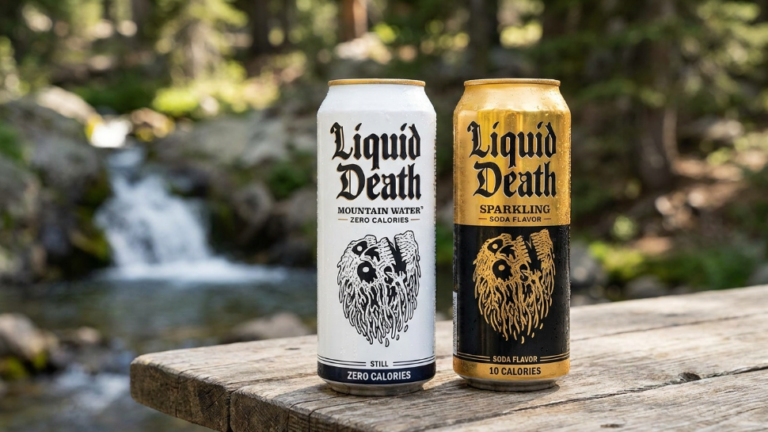
- Liquid Death Sparkling Water Review
- Sparkling Water vs Seltzer vs Club Soda — Differences Explained
- Best Water Filters That Remove PFAS
References & Sources
- Consumer Reports — Bottled Water PFAS Testing (2020)
- EPA — Final PFAS National Primary Drinking Water Regulation (April 2024)
- Topo Chico — Official Product Information (nutrition panel: 15mg sodium, 40mg calcium, 0 calories per 355mL)
- FDA — Sodium in Your Diet (“low sodium” = 140mg or less per serving)
- British Dental Journal — Sparkling Water and Dental Health (2016)
- Mamavation — Sparkling Water PFAS Retest (2025)
The Bottom Line
Topo Chico earned its cult following honestly — the carbonation is real, the mineral character is real, and the cocktail utility is real. The 2020 PFAS result was also real: 9.76 ppt in a single sample, the highest of the 47 products Consumer Reports tested. A later CR retest reported an average of 3.9 ppt, below the IBWA standard and below the EPA’s 2024 drinking water limits — but that figure rests on a different sampling basis than the original and no independent retest has confirmed it. If you love aggressive carbonation, natural mineral character, and cocktail use, Topo Chico remains one of the best options on the market. If you want the lowest possible PFAS profile, La Croix, Perrier or San Pellegrino test lower. If you want the best cocktail sparkling water, nothing in this category beats a cold glass-bottle Topo Chico over ice. Sodium is not the catch some coverage suggests: 15mg per 12 fl oz bottle, per Coca-Cola’s published nutrition panel, against an FDA “low sodium” threshold of 140mg per serving. The PFAS record is the thing to weigh.