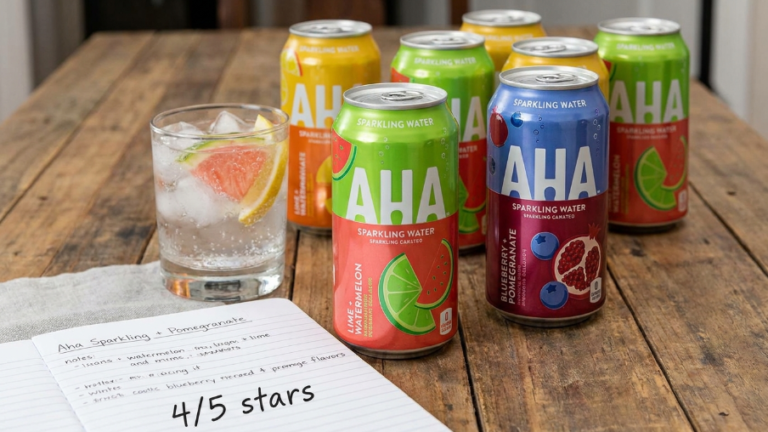

Quick answer: No, plain sparkling water is not bad for your bones. The myth comes from studies on cola — whose phosphoric acid and caffeine were linked to lower bone density — not from carbonation itself. Plain sparkling water contains no phosphoric acid and does not leach calcium from bones. Mineral-rich sparkling waters may even provide small amounts of bone-supporting calcium and magnesium.
You may have heard that fizzy drinks weaken your bones. It’s a persistent myth — and like many myths, it has a grain of truth buried in it. The confusion has stopped plenty of people from enjoying a perfectly healthy drink. Here’s what the science actually says about sparkling water and bone health, and where the fear came from in the first place.
Where the myth comes from
The concern traces back to research on cola, not sparkling water. Some observational studies found that people who drank a lot of cola tended to have lower bone mineral density, particularly in women. Researchers pointed to two ingredients in cola: phosphoric acid and caffeine. The leading theory is that high phosphoric-acid intake, combined with displacing calcium-rich drinks like milk, was the real issue — not the bubbles, a point echoed by Harvard Health. Somewhere along the way, “cola may affect bones” got simplified into “fizzy drinks are bad for bones,” and plain sparkling water got unfairly lumped in with soda.
Why plain sparkling water is fine
Plain sparkling water is just water and dissolved carbon dioxide. It contains no phosphoric acid and usually no caffeine. The carbonation itself — the CO2 that makes it fizzy — does not leach calcium from your bones or interfere with how your body uses it. Studies that specifically looked at carbonated water without phosphoric acid found no negative effect on bone density. In other words, the fizz is not the problem; the specific additives in cola were.
Mineral sparkling water may even help
Here’s the twist most people don’t expect: some sparkling waters are actually good for bones. Naturally carbonated mineral waters — think San Pellegrino, Perrier, and other European mineral brands — often contain meaningful amounts of calcium and magnesium, both of which support bone health. Research on calcium-rich mineral water has found the calcium is absorbed about as well as calcium from dairy. So a mineral-rich sparkling water may be mildly beneficial rather than harmful. Compare popular options in our Perrier vs San Pellegrino guide.
What to actually watch for
The real considerations with sparkling water aren’t about your bones:
- Teeth: Sparkling water is slightly acidic (the carbonation forms weak carbonic acid), but it’s far less acidic and erosive than soda, juice, or sports drinks. It’s fine in moderation; plain is gentler on enamel than flavored or citrus versions. Drinking it with meals rather than sipping all day reduces any acid exposure.
- Added sugar and flavorings: The thing to avoid is sugary soda and sweetened sparkling drinks. Choose zero-sugar options, and be aware that some flavored sparkling waters add citric acid, which is more erosive than plain.
- Colas specifically: If bone health is genuinely a concern for you, these are the drinks to limit — not plain sparkling water. Getting enough dietary calcium, vitamin D, and weight-bearing exercise matters far more for your bones than whether your water has bubbles.
The bottom line
Plain sparkling water is not bad for your bones. The myth is a case of cola’s reputation rubbing off on all fizzy drinks. If you enjoy sparkling water, drink it freely — choose plain or unsweetened versions for the best dental and overall health, and consider a mineral-rich brand if you want a small calcium bonus. What actually protects your bones is enough calcium and vitamin D, weight-bearing exercise, and going easy on cola and alcohol.
Curious about other sparkling water questions? Read whether sparkling water hydrates you, our roundup of the healthiest sparkling water for daily drinking, and how mineral water compares to purified water.
Frequently asked questions
Is sparkling water bad for your bones?
No. Plain sparkling water is not bad for your bones. The myth comes from studies on cola, whose phosphoric acid and caffeine were linked to lower bone density. Carbonation itself does not harm bones, and plain sparkling water contains no phosphoric acid.
Does carbonation leach calcium from bones?
No. The carbon dioxide that makes water fizzy does not leach calcium from bones. Research points to the phosphoric acid in colas, not carbonation, as the factor associated with reduced bone density in some studies.
Which drinks are actually bad for bones?
Colas (especially dark, caffeinated ones) are the drinks most linked to lower bone density, due to phosphoric acid and caffeine. Excessive alcohol can also affect bone health. Plain and flavored sparkling waters are not in this category.
Is mineral sparkling water good for bones?
It can help. Naturally carbonated mineral waters often contain calcium and magnesium, which support bone health, and the calcium is absorbed about as well as calcium from dairy. So mineral-rich sparkling water may be mildly beneficial rather than harmful.
Can I drink sparkling water every day?
Yes. Plain sparkling water is fine for daily drinking and hydrates about as well as still water. If you drink flavored versions, choose ones without added sugar or citric acid for the best dental and overall health.
Is sparkling water bad for your teeth?
Plain sparkling water is only mildly acidic and far less erosive than soda or juice, so it’s fine in moderation. Avoid sugary or citrus-flavored versions, and drinking it with meals rather than sipping all day further reduces any acid exposure to enamel.
Reviewed by the Complete Water Guide team. This article is for general information and is not a substitute for professional water-quality or medical advice. We may earn a commission from some links on this page.