⚡ Top 3 Quick Picks — for real electrolyte replacement, jump to full picks ↓
LMNT Electrolyte Mix
1,000mg sodium per packet, zero sugar. Keto & heavy sweaters.
Check Price
Nuun Sport Tablets
300mg sodium per tablet at ~$0.70. TSA-friendly, any bottle.
Check Price
Liquid I.V. Hydration
Electrolytes + glucose for faster absorption. Travel & recovery.
Check Price
Who Actually Needs Electrolyte Water (Honest Version)
Before spending money on electrolyte water, it’s worth asking whether you need it at all. The answer is context-dependent — and the marketing industry has a strong financial interest in you answering yes more often than the science supports.
You probably don’t need electrolyte water if: you’re doing a typical 30-45 minute gym workout, working at a desk, walking for general fitness, or going about your day in a climate-controlled environment. Your diet — if it includes any sodium, which virtually all human diets do — replaces electrolyte losses from normal daily activity adequately.
You genuinely benefit from electrolyte supplementation if:
- You exercise for more than 60 minutes, especially at high intensity or in heat
- You’re recovering from illness involving vomiting or diarrhea (electrolyte loss is significant)
- You follow a ketogenic or very low-carb diet, which increases electrolyte excretion through the kidneys
- You sweat heavily and are a “salty sweater” — you notice white residue on skin or gym clothes after exercise
- You’re pregnant or breastfeeding with higher mineral requirements
- You’re an endurance athlete doing multiple sessions per day
If you fall into one of those categories, electrolyte water is genuinely useful. If you’re buying Essentia because you think alkaline water is healthier than filtered tap water for general use, the evidence doesn’t support the premium.
What Electrolytes Actually Do — Without the Marketing
Electrolytes are minerals that carry an electrical charge in your body’s fluids, regulating fluid balance in and around cells, enabling muscle contractions, and supporting nerve signaling. Four matter most for hydration:
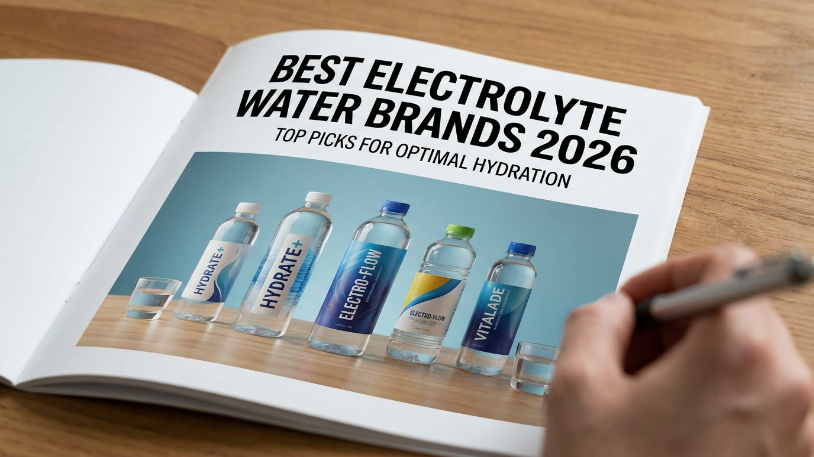
Best Electrolyte Water Brands 2026 — Ranked
1. Bodyarmor SportWater — Best for Athletes
Key electrolytes: Potassium, sodium, magnesium, calcium | pH: 9+ | Price: $2-3/liter
Bodyarmor SportWater leads the ready-to-drink electrolyte category for active users because it combines alkaline pH with a real electrolyte profile designed for performance rather than daily wellness positioning. The wide-mouth 1-liter bottle makes it practical mid-workout. It’s the only mainstream RTD electrolyte water built specifically for athletic use rather than lifestyle consumption.
What it’s not: a complete electrolyte replacement for endurance sports over 2 hours in heat. The sodium content, while higher than most RTD options, still falls short of what very intense or prolonged sweating requires. For most gym sessions, group fitness, and runs under 90 minutes, Bodyarmor SportWater covers it well. For marathon training or long hot sessions, supplement with higher-sodium tablets.
2. Essentia Ionized Alkaline Water — Best Tasting Daily Option
Key electrolytes: Trace sodium, potassium, magnesium, calcium | pH: 9.5 | Price: $1.50-2.50/liter
Essentia is one of the most popular electrolyte waters on the market — and one of the most honestly complicated. The good: purified through reverse osmosis, ionized to pH 9.5, and it has a smooth, clean mouthfeel that many people prefer over flat tap water. For encouraging daily water intake — a real health benefit — Essentia delivers.
The honest caveat everyone should know: Essentia is purified municipal water. Not mountain spring water. Not glacier water. The marketing imagery implies otherwise, but the process starts with tap water that is then extensively purified. That’s not inherently bad — RO-purified tap water is extremely clean — but you’re paying partly for branding rather than uniquely superior source water. The electrolyte amounts are also trace, designed for taste rather than athletic replacement.
3. Smartwater Electrolyte — Best for Casual Daily Use
Key electrolytes: Calcium, magnesium, potassium | Price: $1-2/16.9oz
Smartwater (Coca-Cola) is vapor-distilled municipal water with electrolytes added back for a clean, crisp taste. The electrolyte amounts are modest — Smartwater is essentially a great-tasting purified water rather than a functional electrolyte product. Its biggest strength is availability: in virtually every gas station, convenience store, and vending machine in the US. For grab-and-go daily hydration, it’s consistently reliable and clean.
Smartwater Alkaline adds ionization to pH 9+ for buyers wanting the alkaline positioning. Both products deliver on taste; neither delivers meaningful athletic electrolyte support.
4. Propel Electrolyte Water — Best for Light Exercise
Key electrolytes: Potassium, sodium, magnesium | Added: Vitamins B3, B5, B6, C, E | Sweetener: Sucralose | Calories: 0 | Price: $1-1.50/16.9oz
Propel occupies a useful middle ground — more electrolytes and added vitamins than Essentia or Smartwater, lighter than dedicated sports drinks. For a 45-minute spin class or a moderate outdoor run, Propel’s electrolyte profile is genuinely useful (not just trace minerals), and the flavored varieties help you drink consistently through a session. Zero sugar, zero calories.
The trade-off: Propel uses sucralose for zero-calorie sweetness in flavored varieties. Sucralose is FDA-approved and extensively studied, but if you prefer avoiding all artificial sweeteners, the plain/unflavored Propel version exists but is less widely distributed.
5. Core Hydration — Best Neutral Mid-Range Option
Key electrolytes: Calcium, magnesium, sodium, potassium | pH: 7.4 (matches body pH) | Price: $2-3/liter
Core takes a different approach from alkaline competitors: rather than pushing pH above 9, Core is balanced at 7.4 — matching the body’s natural blood pH range. The philosophy is that neutral-pH water integrates more readily without requiring buffering. Whether this produces measurable physiological difference for typical drinkers is unclear, but Core offers a slightly more complete electrolyte profile than Smartwater at a competitive price — a good daily middle-ground option without the alkaline pitch or artificial sweetener trade-off.
6. Fiji Natural Artesian Water — Best Natural Mineral Source
Key minerals: Silica, calcium, magnesium, potassium, sodium | Price: $2-4/liter
Fiji is sourced from the Yaqara Valley artesian aquifer in Viti Levu, Fiji — genuinely natural water picking up minerals as it filters through volcanic rock. Its mineral content includes silica (a trace mineral linked to skin and connective tissue health in some research), calcium, magnesium, potassium, and small amounts of other minerals. Fiji isn’t a sports hydration product — the mineral amounts are modest — but it’s a premium natural water with authentic mineral provenance and no municipal water sourcing. If natural origin matters to you and you’re willing to pay for it, Fiji delivers.
7. Nuun Sport Tablets — Best DIY Option
Key electrolytes: Sodium (300mg), Potassium (150mg), Magnesium (25mg), Calcium (13mg) per tablet | Sugar: 1g | Price: ~$0.60-0.80/tablet
Nuun Sport tablets solve the core problem with bottled electrolyte waters: fixed formula and high per-serving cost. Drop one tablet in 16oz of any water and you get 300mg of sodium — actual athletic electrolyte replacement rather than trace minerals for taste. This makes Nuun particularly valuable for endurance athletes who need to customize concentration based on workout length and sweat rate, and for travelers who want lightweight electrolyte support without carrying bulky bottles.
Cost per serving (~$0.60-0.80 vs $2-4 for RTD) and portability make it the best overall value for anyone doing regular serious exercise. The slight carbonation when dissolving makes the drink more enjoyable. Only downsides: prep time required and need a reusable bottle — see our comparison of Stanley, Owala, Hydro Flask, and YETI for the best options.
8. Coconut Water — Best Natural Potassium Source
Key electrolytes: Potassium (400-600mg), Sodium (45mg), Magnesium, Calcium | Sugar: 6-15g (natural) | Price: $2-4/11oz
Coconut water is the most natural electrolyte drink on this list and genuinely excellent for potassium replacement at 400-600mg per cup — comparable to a banana. The natural sugar in pure, unsweetened versions is minimal and comes with trace minerals and enzymes. Its limitation for athletic use is sodium: at roughly 45mg per cup, coconut water doesn’t adequately replace sweat-related sodium losses during intense, prolonged sessions. It works best for post-yoga recovery, moderate activity, or as a daily natural mineral source. Always choose unsweetened — sweetened versions can hit 15g+ of sugar, negating the health benefit. Brands like Vita Coco and Amy & Brian are widely available.
All 8 Electrolyte Waters Compared
Every product ranked above, side by side. Sodium is the column that matters most for actual replacement, because it is the electrolyte you lose in the largest quantity through sweat.
| # | Product | Key electrolytes | pH | Price | Best for |
|---|---|---|---|---|---|
| 1 | Bodyarmor SportWater | Potassium, sodium, magnesium, calcium | 9+ | $2 to $3 per litre | Athletes, real replacement |
| 2 | Essentia Ionized Alkaline | Trace sodium, potassium, magnesium, calcium | 9.5 | $1.50 to $2.50 per litre | Daily drinking, taste |
| 3 | Smartwater Electrolyte | Calcium, magnesium, potassium | Neutral | $1 to $2 per 16.9oz | Casual daily, availability |
| 4 | Propel Electrolyte Water | Potassium, sodium, magnesium, plus B and C vitamins | Neutral | $1 to $1.50 per 16.9oz | Light exercise under an hour |
| 5 | Core Hydration | Calcium, magnesium, sodium, potassium | 7.4 | $2 to $3 per litre | Neutral mid-range option |
| 6 | Fiji Natural Artesian | Silica, calcium, magnesium, potassium, sodium | Neutral | $2 to $4 per litre | Natural mineral provenance |
| 7 | Nuun Sport Tablets | Sodium 300mg, potassium 150mg, magnesium 25mg, calcium 13mg per tablet | Neutral | $0.60 to $0.80 per tablet | Best value, DIY strength |
| 8 | Coconut Water | Potassium 400 to 600mg, sodium 45mg, magnesium, calcium | Neutral | $2 to $4 per 11oz | Natural potassium source |
Note also the price comparison this makes visible. A Nuun tablet dropped into your own water costs around $0.70 and delivers 300mg of sodium. A litre of premium bottled electrolyte water costs $2 to $3 and delivers trace amounts. That gap is the strongest argument in this entire guide.
What about the powders: Liquid IV, LMNT, Gatorade and Prime?
Every product ranked above is bottled water with electrolytes added. The things people most often weigh them against are not waters at all, and the sodium gap between the two groups is the whole story.
| Product | Format | Sodium per serving | Sugar |
|---|---|---|---|
| Bottled electrolyte water (the 8 above) | Ready to drink | Trace to low | 0 g |
| Prime Hydration, 500 ml | Ready to drink | 30 mg | 2 g |
| Gatorade Thirst Quencher, 20 oz | Ready to drink | 270 mg | 34 g |
| Nuun Sport | Tablet | 300 mg | 1 g |
| Pedialyte Classic, 12 oz | Ready to drink | 370 mg | 9 g |
| Liquid IV Hydration Multiplier | Powder stick | 500 mg | 11 g |
| LMNT | Powder stick | 1,000 mg | 0 g |
Read the sodium column and the ranking above changes meaning. A bottled electrolyte water carries trace amounts. A single LMNT stick carries 1,000 mg, more than three times what a Nuun tablet provides and many times what any bottled water does.
Prime Hydration is the one worth pausing on. Despite being marketed as a hydration drink, its label lists 30 mg of sodium per 500 ml bottle, which is lower than several of the bottled waters ranked above. It carries 700 mg of potassium and 125 mg of magnesium, so it is not empty, but sodium is the electrolyte lost in quantity through sweat and that is the one it is thinnest on.
Gatorade and Pedialyte sit apart from both groups because they carry meaningful sugar: 34 g in a 20 oz Gatorade, 9 g in a 12 oz Pedialyte. That sugar is deliberate, since glucose aids sodium absorption, which is why Pedialyte is formulated for illness recovery rather than daily drinking. It also makes both poor choices for someone simply trying to drink more water.
The practical read: if you are replacing real sweat losses, a powder or tablet does it at a fraction of the cost per serving, as the comparison below sets out. If you prefer the taste of a mineral-rich water, the bottled options are a beverage choice rather than a hydration strategy.
A note on names, since these brands are written more than one way. Liquid I.V. is the company’s own styling and is commonly typed Liquid IV. Bodyarmor is often written Body Armor, and Smartwater is often written Smart Water. Each pair refers to the same product.
Ready-to-Drink vs Electrolyte Tablets — Which Wins?
| Factor | RTD Electrolyte Water | Electrolyte Tablets |
|---|---|---|
| Electrolyte amounts | Trace to moderate | Moderate to high |
| Convenience | Grab and go | Need water + 30 seconds |
| Cost per serving | $1.50-4.00 | $0.40-0.80 |
| Customization | Fixed formula | Adjustable concentration |
| Travel | Heavy, bulky | Lightweight, TSA-friendly |
| Plastic usage | Per-bottle plastic | Minimal (tube packaging) |
| Best for | Office, casual activity | Athletes, travelers, endurance |
For most gym-goers and casual exercisers, RTD electrolyte water is convenient and more than adequate. For endurance athletes, heavy sweaters, or anyone wanting meaningful electrolyte replacement without paying $3+ per bottle, tablets in a quality reusable bottle deliver better value and higher concentrations. The optimal setup for regular exercisers: a quality reusable bottle + Nuun or LMNT tablets when you actually need electrolytes, plain filtered water for everything else.
Red Flags to Avoid on Electrolyte Water Labels
- More than 5g of sugar for non-endurance activity. Gatorade has 21g per 12oz. You don’t need that for a 40-minute gym session.
- “Electrolyte complex” without specific milligram amounts. If it hides amounts in a proprietary blend, the amounts are too small to be worth claiming.
- Artificial dyes. Red 40, Blue 1, Yellow 5 add color with zero benefit. Premium products don’t need them.
- Claims to “alkalize your blood” or “detox your system.” Beverages don’t change blood pH meaningfully — your kidneys and lungs do that. Pure marketing language.
- Excessive undisclosed caffeine. Some electrolyte waters add 150-200mg caffeine. If you’re not expecting it, that’s a problem at 3pm.
Shop Our Top Electrolyte Picks
The products that deliver real electrolyte amounts (not just trace minerals for taste). As an Amazon Associate we earn from qualifying purchases — it never affects our rankings.
LMNT Electrolyte Mix
1,000mg sodium per packet, zero sugar. The go-to for endurance athletes, keto, and heavy sweaters. Add to any bottle.
Nuun Sport Tablets
300mg sodium per tablet at ~$0.70 a serving. Lightweight, TSA-friendly, drop into any water. Best value for regular exercisers.
Liquid I.V. Hydration
Single-serve packets with electrolytes plus glucose for faster absorption. Popular for travel, illness recovery, and hot days.
Which Electrolyte Water Should You Actually Buy?
Frequently Asked Questions
Do I actually need electrolyte water?
Most sedentary adults don’t need it for daily hydration — plain filtered water and a normal diet replenish any losses. Electrolyte water becomes genuinely useful during exercise over 60 minutes in heat, illness recovery with vomiting or diarrhea, ketogenic diets, or pregnancy. Drinking it at a desk primarily benefits your wallet.
What is the best electrolyte water for athletes?
For endurance athletes or high-intensity training over 60 minutes, Bodyarmor SportWater (RTD) or LMNT (1,000mg sodium per packet) deliver real electrolyte replacement. Standard waters like Essentia or Smartwater contain only trace amounts — not enough for real athletic needs. For gym sessions under 60 minutes, plain water or Propel is sufficient.
Is Essentia Water actually better than regular water?
For most daily drinkers, no. Essentia is purified municipal water ionized to pH 9.5 with small electrolytes added. Your body regulates blood pH tightly regardless of what you drink. The same hydration comes from good filtered tap water at a fraction of the cost. Essentia is clean and tastes good — those are real benefits — but measurable health superiority for daily drinking isn’t well-supported.
What electrolytes should I look for on a label?
Four key electrolytes: sodium (100-500mg for active use), potassium (100-400mg), magnesium (10-60mg), calcium. Sodium matters most. Most “electrolyte waters” for daily wellness have amounts too small for real athletic use. Look for specific milligram amounts listed separately — not “proprietary blend” language hiding the numbers.
Does alkaline water actually do anything?
Limited evidence. Your stomach acid neutralizes alkaline water quickly, and kidneys regulate blood pH tightly regardless of input. Some research shows alkaline water may slightly speed rehydration after intense exercise, but the effect is small. The smoother mouthfeel is real but doesn’t equal a health benefit for everyday use.
Is Propel good for you?
A reasonable choice for moderate exercise hydration — zero calories, zero sugar, light electrolytes, added vitamins B and E. Not enough for endurance athletes but works well for gym sessions under 60-90 minutes. Uses sucralose (FDA-approved artificial sweetener) for flavored varieties — a real trade-off if you avoid artificial sweeteners.
Is coconut water a good electrolyte source?
For potassium yes — 400-600mg per cup. But low in sodium (~45mg), which is the electrolyte most lost through sweat. Best for post-moderate-workout potassium replacement or daily mineral source. Not adequate sodium replacement for intense endurance sessions. Always choose unsweetened versions.
How is Smartwater different from regular water?
Vapor-distilled municipal water with calcium, magnesium, and potassium added back for taste. Very pure and clean-tasting. Electrolyte amounts are modest — designed for taste, not athletic hydration. Smartwater Alkaline adds ionization to pH 9+ for alkaline-water buyers. Both are good-tasting daily options; neither provides meaningful athletic electrolyte support.
What should I avoid in electrolyte water labels?
Added sugar above 5g for non-endurance activity, proprietary blends without specific milligram amounts per electrolyte, artificial dyes, “alkalize your blood” or “detox” claims (physiologically unsupported for beverages), and undisclosed high caffeine additions.
Are electrolyte tablets better than electrolyte water?
For most active users, yes — tablets like Nuun Sport give you higher electrolyte levels (300mg sodium per tablet vs trace in most RTD), lower cost per serving (~$0.60-0.80 vs $2-4), and flexibility to add to any water. RTD wins purely on convenience when you need grab-and-go without preparation time.
Is Fiji Water a good source of electrolytes?
For trace natural minerals, yes — calcium, magnesium, potassium, and notably high silica from the Viti Levu volcanic aquifer. Amounts are modest compared to dedicated electrolyte products, but Fiji is one of the better natural mineral waters for trace mineral content. Its silica level is a distinguishing feature not found in most other bottled waters.
How much electrolyte water should I drink per day?
Sedentary adults: plain water is sufficient at 2-3 liters daily, with electrolytes from food. Active users: add electrolyte supplementation during/after exercise over 60 minutes, in heat, or when sweating heavily. Framework: plain water for daily baseline; electrolyte water during/post-workout; high-sodium options (Nuun, LMNT) for endurance over 2 hours.
Related Reading
- 10 Science-Backed Health Benefits of Drinking Water Daily
- Best Water Bottles 2026: Stanley vs Owala vs Hydro Flask vs YETI
- Best Water Filters That Remove PFAS
- Topo Chico Sparkling Mineral Water Review
- Healthiest Sparkling Water for Daily Drinking
- Why Does My Water Taste Funny? 7 Causes Explained
- Propel Water Review — Is It Actually Good Electrolyte Water?
- Core Hydration Review — Is pH 7.4 Worth Paying For?
References & Sources
- Mayo Clinic — Hydration and Electrolytes Overview
- NCBI — Exercise-Associated Hyponatremia and Sodium Supplementation
- ACSM — Exercise and Fluid Replacement Position Stand
- FDA — GRAS Designation (Sucralose)
The Bottom Line
Electrolyte water isn’t magic — it’s minerals dissolved in water. The question is whether you actually need those minerals, and which product delivers meaningful amounts for your specific situation. For athletes and heavy sweaters, Bodyarmor SportWater or Nuun tablets provide the most real-world value. For daily wellness users wanting clean, great-tasting water, Essentia and Smartwater deliver on taste without delivering on overblown health claims. For natural electrolyte sources, Fiji (trace minerals) and coconut water (potassium) are honest performers. The brands to be skeptical of: anything claiming to “alkalize your blood,” cure chronic illness, or deliver electrolyte benefits without showing specific milligram amounts per serving. The brands to embrace: the ones that tell you exactly what’s in the bottle, how much, and why it matters for your actual hydration situation. The cheapest electrolyte mistake is buying a premium water that’s functionally identical to filtered tap water. The most expensive mistake is not replacing electrolytes at all during serious exercise because you thought plain water was enough.