Can a water softener septic system setup work? Yes, if the softener is set to regenerate efficiently: the studies we found, from the University of Wisconsin-Madison, NSF and Virginia Tech, report no operational harm to septic tanks and no significant loss of drain field drainage. The one clear warning came from the 2012 Virginia Tech study: brine with a lot of excess salt, which is what an inefficient, salt-heavy setting produces, increased the solids sent out to the drain field.
One thing to know up front: these studies were funded by research arms of the water treatment industry, though they were carried out by university and NSF researchers. We give the findings and the caveats below, and what we would do with a softener on a septic system.
Is it okay to use a water softener with a septic system?
In our view, yes, with an efficient softener and a septic system that is sited and working properly. Here is what each study found:
| Study | What it tested | Finding |
|---|---|---|
| University of Wisconsin-Madison (1970s) | Salts in septic effluent and drain field soil | Discharge from a normally operating softener “should not have a significant deleterious effect” on drain field drainage |
| National Sanitation Foundation (1970s) | Regeneration brine in anaerobic and aerobic home treatment units | Softener wastes “caused no operational problems” |
| Virginia Tech, Hogan (2012) | Lab columns and real home case studies | Excess sodium increased solids to the drain field; low-sodium waste often gave better effluent than diverting the brine |
The 1970s results are compiled in a document the Virginia Department of Health keeps on file, and the Virginia Tech work is a 2012 master’s thesis commissioned by the Water Quality Research Foundation. Morton’s softener FAQ says it is “very common” to drain a softener into a standard septic system and “it will not affect the septic system operation or drain field.”
What does softener discharge do to the septic tank?
Three worries come up, and the research answers each one:
- Volume. The 1970s summary puts discharge from a properly installed and maintained softener at “about 50 gallons per regeneration,” added slowly, and says it is lower in volume and rate than the waste from many automatic washers. Our guide to the water softener backwash shows the real gallons per regeneration from one maker’s table.
- Bacteria. NSF found the brine caused no operational problems in typical anaerobic tanks or aerobic units. The Wisconsin authors add that salts from regeneration “should have no deleterious effect” on the microbes, while noting their salt-tolerance studies used media unlike real septic effluent.
- Settling. This is where salt matters. The Water Quality Association’s summary says waste with “large concentrations of excess sodium can hurt the settling of solids,” while the right amount of calcium and magnesium, which the softener also flushes out, can help settling.
What does it do to the drain field soil?
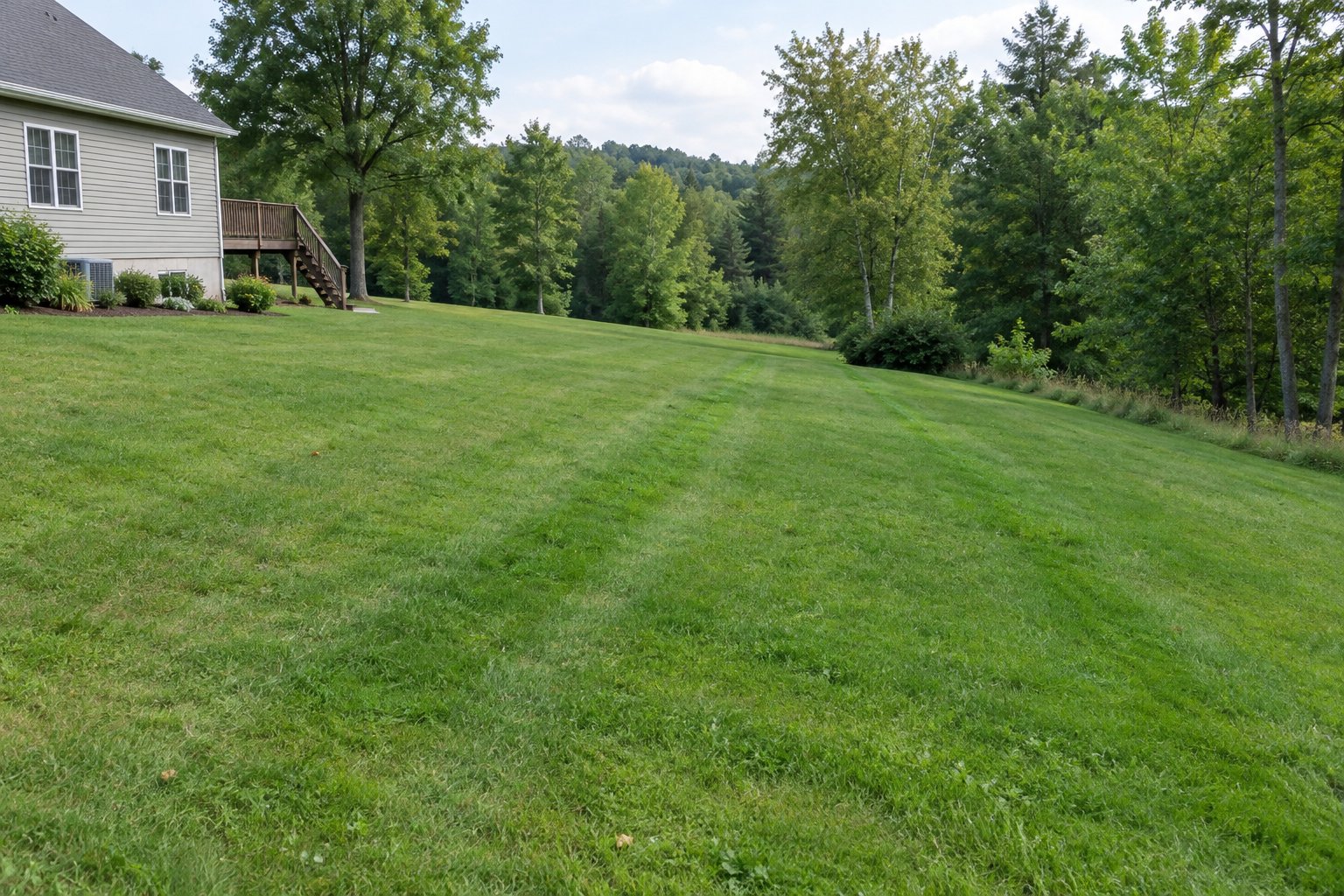
The concern is that sodium makes some clay soils swell and drain more slowly. The Wisconsin researchers calculated that, under the conditions they studied, soil drainage under the field “would not be expected to drop below” 85% of its maximum, and concluded that softener waste “is not believed to be a problem in soils that would meet normal site evaluation criteria.”
The reason is the calcium and magnesium. The summary says septic effluent with softener waste contains “significant amounts of calcium and magnesium, which counteract the effect of sodium and help maintain and sustain soil permeability.” It even found the waste “could, under some circumstances, improve soil percolation particularly in fine-textured soils.”
Two caveats from the same authors. Their soil conclusion rested on “only one actual study with septic tank effluent.” And they warned that softening all of a home’s water while sending the regeneration waste elsewhere might cause clay swelling and lower drainage in the field.
Should water softener discharge be diverted away from the septic?
The studies say no, unless your local code requires it. The 1970s summary concludes “it is better to discharge water softener wastes to septic tank systems than to separate dry wells or ditches.” Virginia Tech’s case studies point the same way: the effluent with the least excess sodium was often “actually more favorable” than the effluent when regeneration waste was diverted.
Rules differ by state and county, so check with your local health department before you install or reroute a softener drain. Whatever the drain goes to, it needs an air gap, which our guide to the water softener drain line covers.
How do you make a water softener septic system work well?
The Virginia Tech result comes down to one thing: less excess salt. These steps get you there:
- Use an efficient salt setting. WQA’s summary says softeners run at “3000 to 4000 grains of hardness per pound of salt” will not harm and could aid septic systems. Our guide to the high efficiency water softener explains the 3,350 grains per pound rating and how the salt dose sets it.
- Set the real hardness. A number that is too high means extra regenerations, extra brine and extra water to the tank. See our guide to the water softener hardness setting.
- Choose demand regeneration. WQA and NOWRA, the onsite wastewater association, suggest demand-initiated or high efficiency units when buying a new softener. Our guide on how often a water softener should regenerate explains how demand units cut regenerations.
- Fix leaks. The same guidance warns that leaking toilet flappers and valves can, over time, overload a septic system.
What is the worst thing for a septic tank?
We cannot rank every cause, but the WQA and NOWRA guidance for homes with softeners and septic systems lists what to avoid: “excessive bleaches & detergents, strong disinfectants, ‘every-flush’ toilet disinfection chemicals, and caustic drain cleaners,” plus excess water from leaks. For the softener itself, the risk to watch is an inefficient, salt-heavy setting.
Frequently asked questions
Is it okay to use a water softener with a septic system?
Yes, with an efficiently set softener and a properly working septic system. Studies by the University of Wisconsin-Madison, NSF and Virginia Tech found no operational harm; the problem case was brine with a lot of excess salt.
Does water softener discharge hurt a septic drain field?
Not in soils that meet normal siting criteria, according to the University of Wisconsin-Madison researchers. The calcium and magnesium in the waste counteract the sodium and help keep the soil draining.
Should a water softener drain into the septic tank?
The studies say it is better than draining to a separate dry well or ditch, unless local rules say otherwise. Check with your county or state health department.
How much water does a softener add to a septic system?
The 1970s research put it at about 50 gallons per regeneration from a properly installed softener, added slowly, which it found lower in volume and rate than many washing machine loads.
Do salt settings matter for a septic system?
Yes. Virginia Tech found that waste with high excess sodium increased solids sent to the drain field. WQA says softeners run at 3,000 to 4,000 grains per pound of salt will not harm a septic system.
Who paid for the softener and septic studies?
Research foundations of the water treatment industry. The work itself was done by researchers at the University of Wisconsin-Madison, NSF and Virginia Tech.
Sources
- University of Wisconsin-Madison Small Scale Waste Management Project, Potential Effects of Water Softener Use on Septic Tank Soil Absorption On-Site Wastewater Systems; and National Sanitation Foundation, The Effect of Home Water Softener Waste Regeneration Brines on Individual Aerobic Wastewater Treatment Plants; as compiled by the Virginia Department of Health (GMP 057 attachment 1).
- Hogan, Patrick Lynn. Changes in Septic Tank Effluent Due to Water Softener Use. Master’s thesis, Virginia Tech, 2012.
- Water Quality Association, Softeners and Septic Performance (Water Treatment Industry Toolkit), with WQA and NOWRA guidance.
- Morton Water Softeners FAQ: discharging to a septic system.