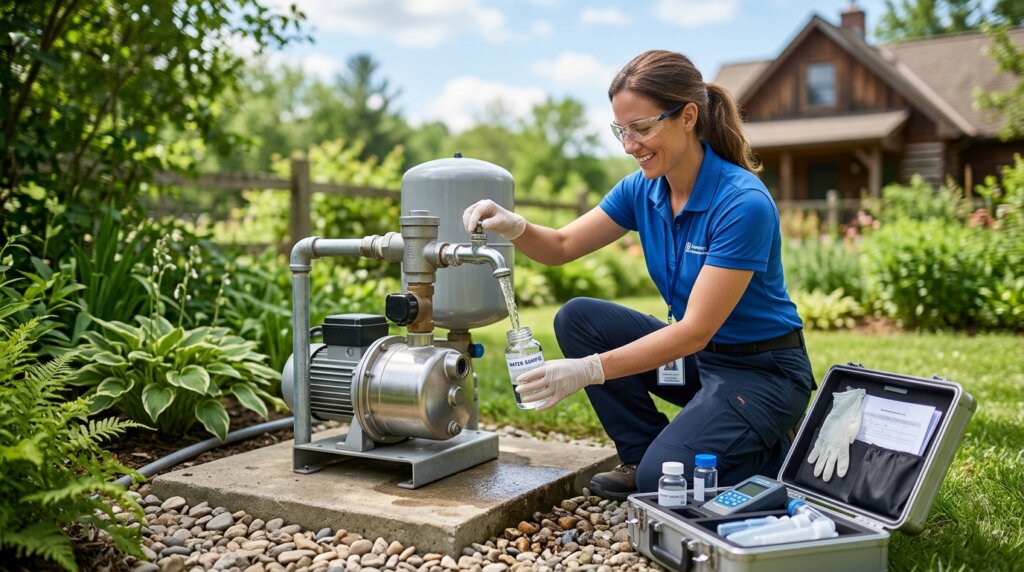
Well Water Testing: When to Call a Professional (2026)
Updated on | Well water testing cost & guide (U.S.)
Quick Answer: DIY well water test kits cost $20-$50 and check for basics like bacteria, pH, and hardness. Certified lab testing costs $150-$600 and is required for detecting bacteria (E. coli, coliform), nitrates, arsenic, and other health-relevant contaminants accurately. The EPA recommends testing well water at least once a year.
Unlike municipal water, well water isn’t regulated
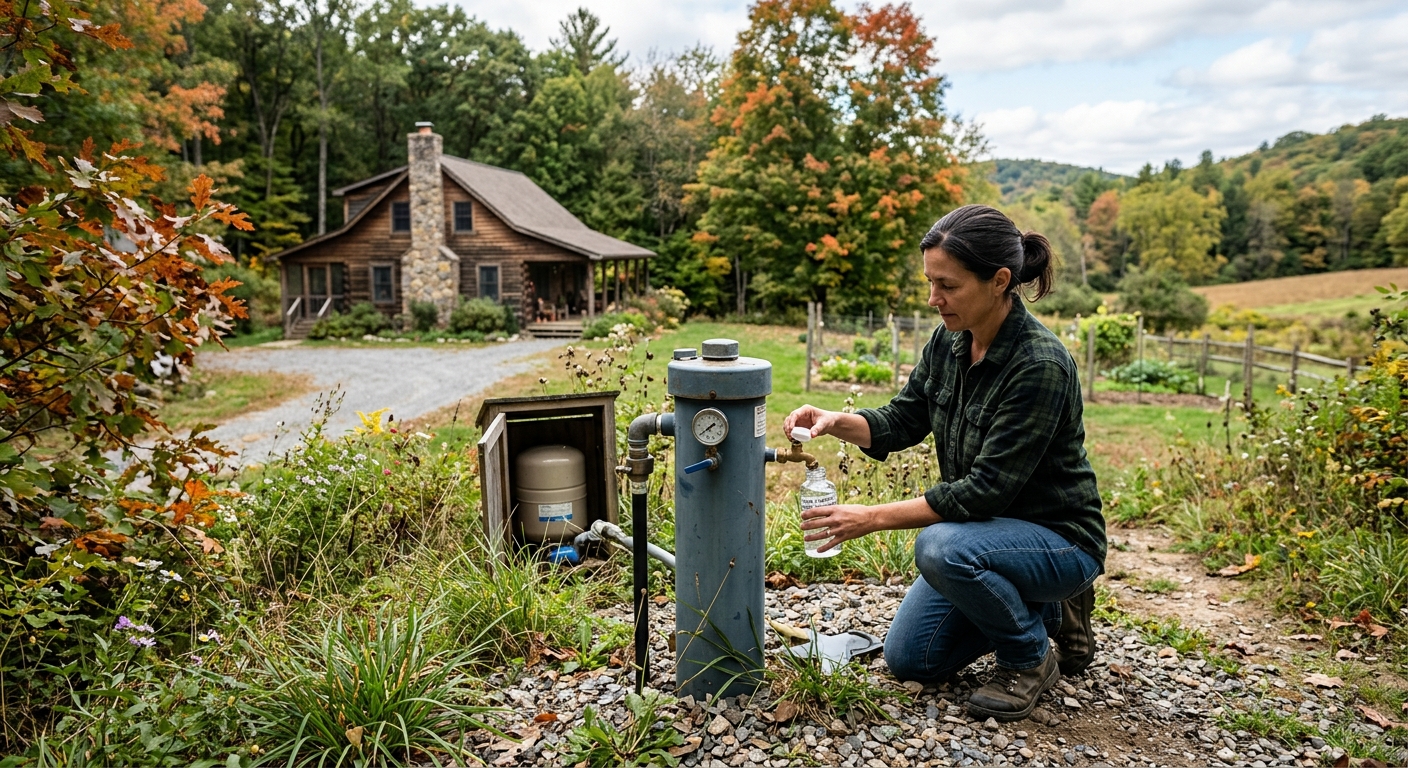
or tested by anyone but you. If you’re on well water, this guide covers exactly what to test for, which option is right for your situation, and when DIY kits simply aren’t accurate enough. If you’re dealing with visible iron staining, see our guide on iron in well water as well.
Want certified testing done right? Talk to a local professional.
Connects you with a local service partner. Mon-Fri 7am-10pm EST | Sat 8am-10pm EST | Sun 7am-9pm EST
DIY Test Kits: What They Cover
DIY test strips and kits
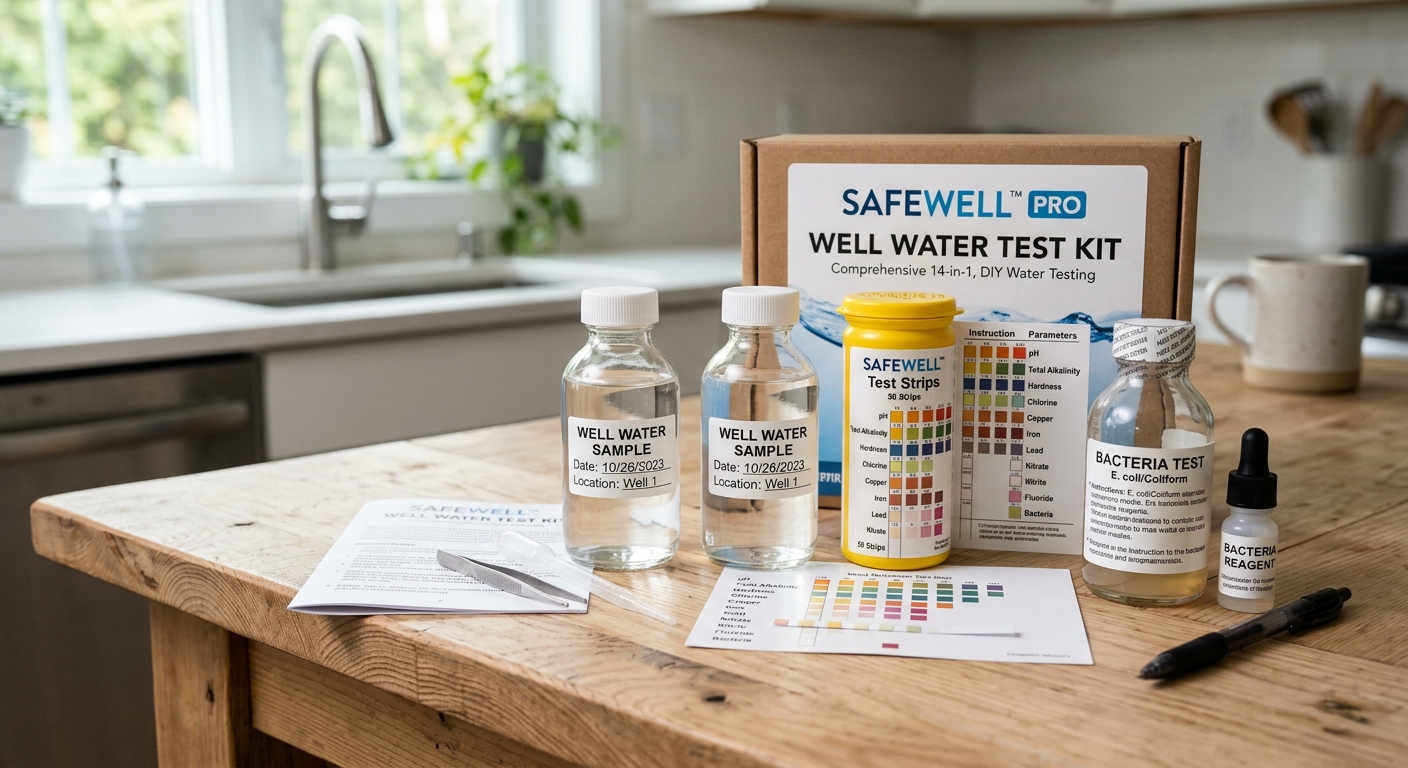
($20-$50) are useful for a quick baseline check of pH, hardness, iron, and chlorine. They’re fast (results in minutes) and cheap, but they’re not accurate enough for anything health-related — particularly bacteria and heavy metals, which require lab-grade equipment to detect reliably.
Certified Lab Testing
A certified lab test involves collecting a sample
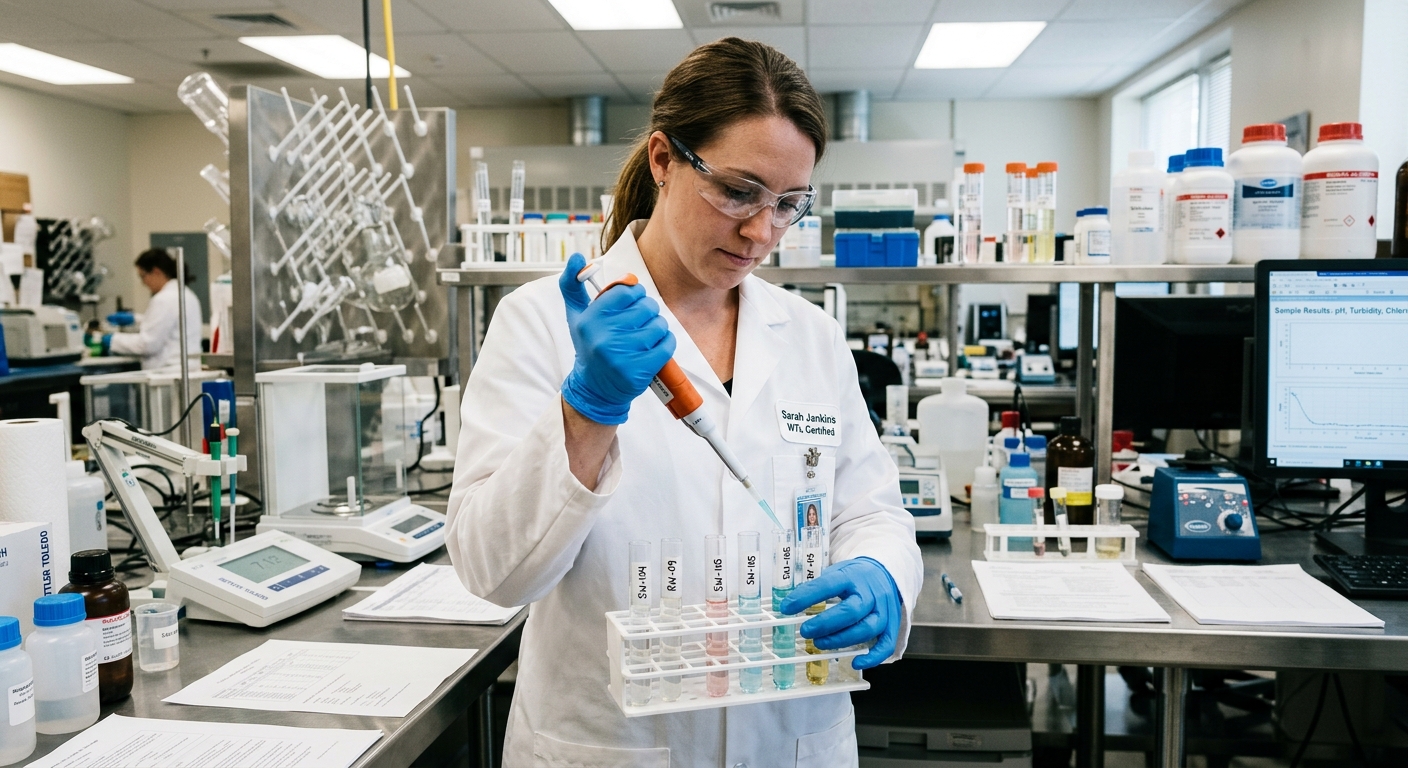
(often with a sterile kit mailed to you) and sending it to an accredited lab. Costs vary by how many contaminants you’re testing for:
| Test Package | Cost | Covers |
|---|---|---|
| Basic bacteria panel | $25-$60 | Coliform, E. coli |
| Standard well package | $150-$300 | Bacteria, nitrates, pH, hardness, iron, common metals |
| Comprehensive panel | $300-$600 | Above plus arsenic, PFAS, pesticides, radon |
DIY vs Lab Comparison
| Factor | DIY Kit | Lab Test |
|---|---|---|
| Cost | $20-$50 | $150-$600 |
| Bacteria detection | Unreliable | Accurate, certified |
| Heavy metals/PFAS | Not detected | Detected with comprehensive panel |
| Results time | Minutes | 3-10 business days |
Need bacteria or PFAS testing? Get connected with a certified lab.
Connects you with a local service partner. Mon-Fri 7am-10pm EST | Sat 8am-10pm EST | Sun 7am-9pm EST
Red-Flag Contaminants That Need Lab Testing
- Bacteria (E. coli, coliform): can cause serious illness; DIY strips are not reliable for this.
- Nitrates: common near agricultural land, dangerous for infants specifically.
- Arsenic: naturally occurring in some regions, requires lab-grade detection.
- PFAS: increasingly common concern; needs specialized lab testing, not home strips.
- Radon: a health risk in certain geological areas, requires specific test kits.
When to Test
- Annually: the EPA recommends testing for bacteria and nitrates every year at minimum.
- After any noticeable change: taste, smell, or color changes warrant immediate testing.
- After flooding or nearby construction: these can introduce new contamination.
- Before buying a home with a well: always get a comprehensive panel as part of due diligence.
- If anyone in the household is pregnant or has an infant: nitrate testing is especially important.
Related Guides
- Iron in Well Water: Signs & How to Remove It
- Best Water Filters for PFAS
- How Much Is a Water Softener? Full Cost Breakdown
FAQs
How often should I test my well water?
- The EPA recommends testing for bacteria and nitrates at least once a year.
Are DIY well water test kits accurate?
- They’re fine for a quick baseline (pH, hardness, iron), but unreliable for bacteria, heavy metals, and PFAS — those need certified lab testing.
How much does professional well water testing cost?
- A standard package covering bacteria, nitrates, and common metals costs $150-$300; comprehensive panels run $300-$600.
What should I test for first if I’ve never tested my well?
- Start with a standard package covering bacteria, nitrates, pH, and common metals — the most likely and most serious issues.