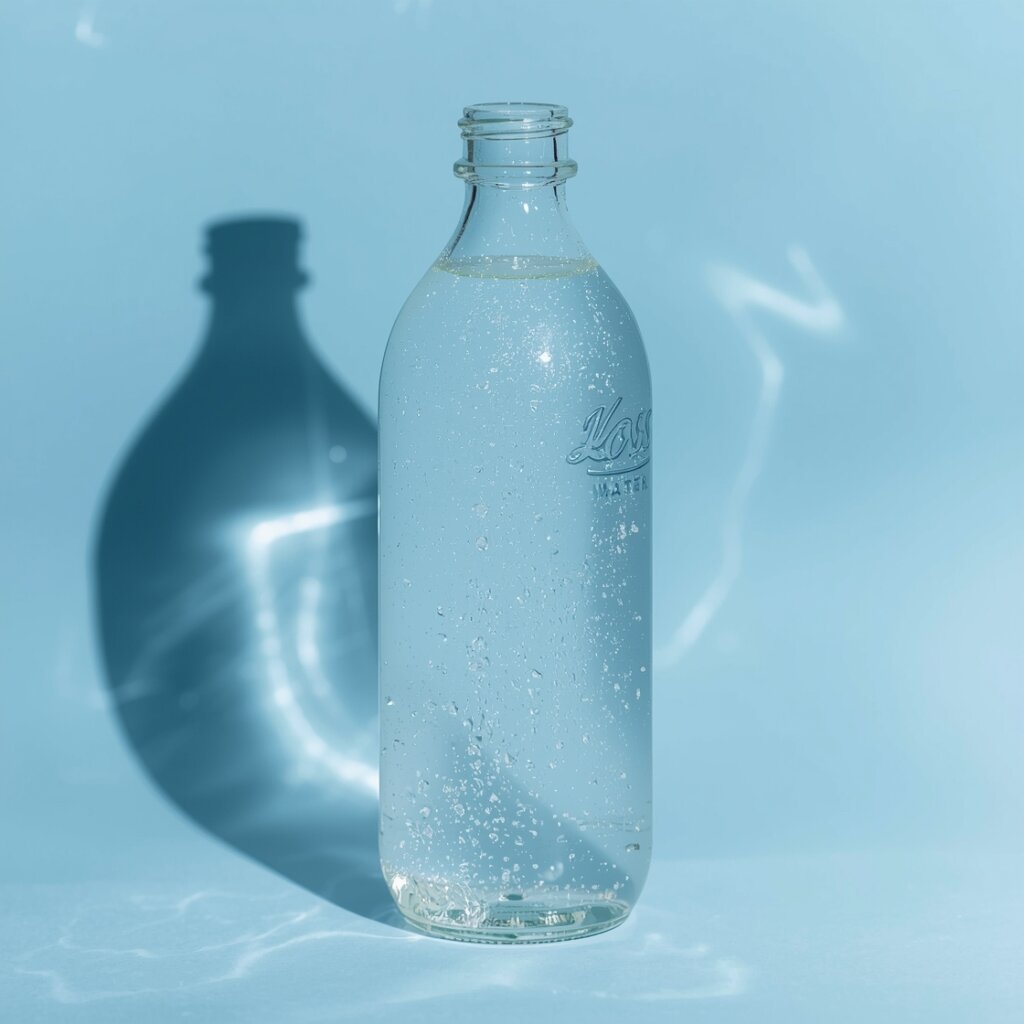
Voss Water Review 2026: Is the Glass Bottle Worth It? (PFAS, Source & Taste)
By David Anderson · Water Systems & Treatment Editor · Reviewed by Emily Carter, Hydration & Nutrition Editor · Updated
We read the published lab data on bottled and sparkling water brands and cross-references every health claim against independent lab data before publishing.
Voss is the water in the tall, minimalist glass cylinder you’ve seen at upscale restaurants and hotel bars. It’s genuinely clean, low-mineral artesian water — but a lot of what you’re paying for is the bottle and the brand. Here’s the honest breakdown: the source, what PFAS testing does (and doesn’t) show, the taste, and whether it’s worth the premium.
Voss and PFAS: What the Testing Actually Shows
Let’s be straight about this: Voss was not included in Consumer Reports’ bottled water PFAS testing, and there’s no widely published independent lab result for it. That means we can’t honestly give it a number like we can for Spindrift (0.19 ppt) or San Pellegrino (0.31 ppt).
What we can say on the evidence: Voss is an artesian water, drawn from a protected aquifer beneath the Norwegian ground and sealed under natural conditions. Protected artesian sources are generally less exposed to surface runoff, which is a common PFAS pathway. But “generally less exposed” is not a lab result — and untested should never be read as automatically clean. Any brand can only be verified by testing.
Bottom line: if a verified low-PFAS number is your top priority, choose a brand that has actually been tested. If you want a clean, neutral artesian water and value the glass packaging, Voss is a reasonable pick — just know the PFAS question is unverified rather than settled. Compare tested options in our safest bottled water ranking.
Source & Profile: What Voss Actually Is
Voss comes in two versions — still artesian and sparkling. The still version is the signature product: an ultra-low mineral water designed to taste like almost nothing, which is the whole point for fine dining.
| Attribute | Voss | Notes |
|---|---|---|
| Type | Artesian water (still & sparkling) | Sourced in Norway |
| TDS | Very low (~44 mg/L) | Among the most neutral bottled waters |
| Minerals | Minimal | Not a mineral-rich water |
| Packaging | Glass (signature) & PET plastic | Glass preserves taste best, no leaching |
| PFAS data | None published | Unverified — not tested by Consumer Reports |
| Calories / sugar | Zero (plain) | Flavored line differs |
Voss’s low TDS puts it in the same “very neutral” bracket as purified waters, even though it’s naturally sourced. Compare against mineral-rich options in our best mineral water ranking.
What It Tastes Like
The still Voss tastes almost aggressively neutral — clean, soft, weightless, with no mineral edge and no aftertaste at all. That sounds like faint praise, but it’s exactly what a dining water is supposed to do: get out of the way of the food and wine. Side by side with a mineral water like San Pellegrino or Gerolsteiner, Voss reads as noticeably “lighter” and less characterful — which some people love and others find a bit boring. The sparkling version has soft, fine bubbles, gentler than Perrier. From the glass bottle the taste is crisp and true; the plastic version is fine but very slightly duller. Chilled, it’s a smooth, premium-feeling pour. This is a water you serve, not one you keep in the gym bag.
Honest note: in a blind taste, most people struggle to tell ultra-low-TDS waters like Voss apart from a good filtered tap. Much of the experience is the bottle.
Is Voss Worth the Price?
Voss is a clean, safe, pleasant water — but it’s priced well above most bottled brands, and a large share of that premium is the iconic glass bottle and the luxury positioning rather than anything measurably different in the water itself. If you want the presentation for a dinner party, an event, or just because you like the bottle, it delivers. If you’re buying purely for hydration or health, cheaper options are just as safe, and a home filter is cheaper still.
What’s good
- Very clean, neutral taste — ideal for dining
- Glass bottle preserves flavor, no leaching
- Low-TDS artesian source
- Premium presentation
Worth knowing
- No published PFAS test data (unverified)
- Expensive — you pay for the bottle & brand
- Minimal minerals (not a mineral water)
- Taste is very close to good filtered tap
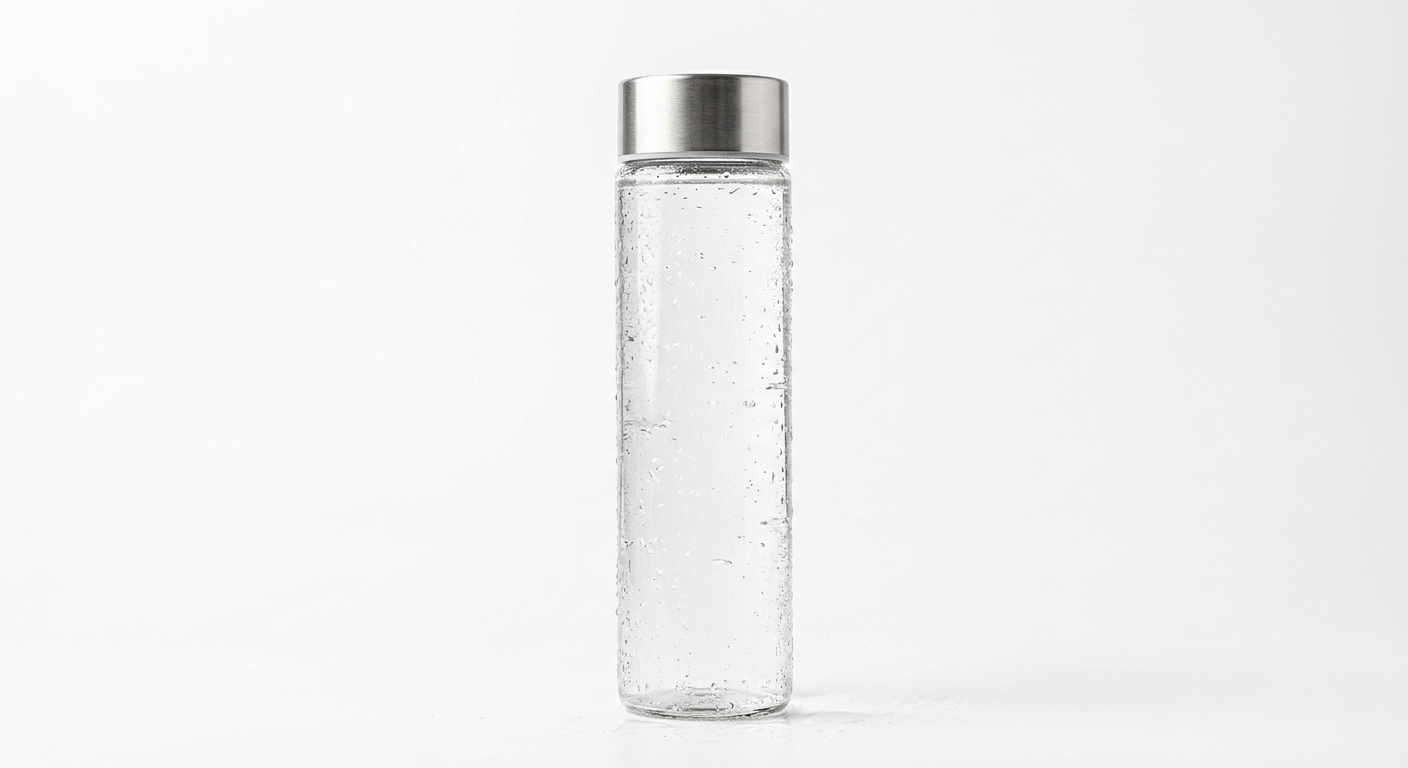
Voss Artesian Still Water (Glass)
Ultra-low TDS Norwegian artesian water in the iconic glass bottle. Flavor-neutral and premium — the classic dining water.
As an Amazon Associate we earn from qualifying purchases.
Frequently Asked Questions
Does Voss water have PFAS?
There’s no published independent PFAS test result for Voss — it wasn’t included in Consumer Reports’ bottled water testing. As an artesian water from a protected Norwegian aquifer it’s likely less exposed to surface PFAS pathways, but “untested” means unverified, not proven clean.
Where does Voss water come from?
Voss is an artesian water sourced in Norway, drawn from a protected underground aquifer. It comes in both still and sparkling versions.
Is Voss water actually better than other bottled water?
Not measurably in terms of the water itself. Voss is very low in minerals with a clean, neutral taste, but so are many cheaper purified waters. Much of its premium comes from the glass bottle and luxury branding rather than a difference you can taste or test.
Why is Voss water so expensive?
The price reflects the signature glass bottle, imported artesian sourcing, and premium positioning far more than any unique property of the water. You’re largely paying for presentation.
Is Voss glass or plastic better?
The glass bottle preserves taste best with no risk of leaching, which is why it’s the signature product. The PET plastic version is more practical and portable but slightly duller in flavor and subject to the usual advice of keeping plastic bottles out of heat.
Sources: Consumer Reports bottled water PFAS testing (2020, Voss not included); EPA PFAS drinking water rule (April 2024). Last updated July 2026.
Affiliate disclosure: as an Amazon Associate we earn from qualifying purchases; commissions never affect our assessments.