San Pellegrino Review 2026: PFAS Tested, Minerals & Is It Actually Healthy?
By David Anderson · Water Systems & Treatment Editor · Reviewed by Emily Carter, Hydration & Nutrition Editor · Updated
We read the published lab data on bottled and sparkling water brands and cross-references every health claim against independent lab data before publishing.
San Pellegrino is the Italian mineral water that shows up at nearly every restaurant table — and it earns its reputation on more than image. It tested second-lowest for PFAS of any bottled water in independent lab analysis, and it carries a genuinely mineral-rich profile. Here’s the full breakdown: the lab numbers, the minerals, the taste, and whether it’s worth the price.
San Pellegrino PFAS Test Results
In Consumer Reports’ independent lab testing of 47 bottled water products, San Pellegrino measured the second-lowest total PFAS of any product tested — a strong result for a natural mineral water, which usually tests higher than purified. Lower is better.
| Brand | Total PFAS (ppt) | Rank |
|---|---|---|
| Spindrift | 0.19 | Lowest tested |
| San Pellegrino | 0.31 | 2nd — lowest mineral water |
| Perrier | 1.10 | Above EWG guideline |
| Topo Chico | 3.9 | Improved after filtration upgrade |
| Polar | 6.41 | Highest tested |
Context for the number
At 0.31 ppt, San Pellegrino sits comfortably below every regulatory and precautionary threshold: the EPA’s 2024 enforceable limit is 4 ppt (PFOA/PFOS individually), the bottled-water industry standard is 5 ppt, and the EWG’s precautionary guideline is 1 ppt. San Pellegrino is one of the few sparkling waters below even the strictest of those. As with any brand, lab results reflect the batches tested rather than a guarantee for every bottle.
It’s worth noting why this result stands out. Mineral waters are bottled close to their natural spring state, so they often carry whatever the aquifer holds — which is why many test higher for PFAS. San Pellegrino’s low number suggests a clean source. See how it compares across the category in our bottled water PFAS brand ranking.
Mineral Profile: What’s In San Pellegrino
San Pellegrino’s character comes from its mineral content — it’s a genuine mineral water, not a purified one with added fizz. The calcium, magnesium and sulfates give it a firm mouthfeel and a slightly savory edge that pairs well with food.
| Attribute | San Pellegrino | Notes |
|---|---|---|
| Type | Natural mineral water | Source: San Pellegrino Terme, Italy |
| Carbonation | Added CO₂ (fine, moderate) | Softer than Perrier or Topo Chico |
| TDS | ~900–1,000 mg/L | High — mineral-rich category |
| Calcium & magnesium | High | Contributes to daily intake |
| Sodium | Moderate | Lower than Vichy or some mineral waters |
| Calories / sugar | Zero | Plain mineral water (flavored line differs) |
The flavored “Sanpellegrino” fruit line (Limonata, Aranciata) is a different product with added sugar — this review covers the plain sparkling mineral water. Compare mineral-rich options in our best mineral water ranking.
What It Tastes Like
San Pellegrino’s carbonation is its signature — fine, tight bubbles rather than the sharp, aggressive fizz of Topo Chico or Perrier. It reads as smooth and almost creamy on the tongue. The mineral content is clearly present: a faint savory, slightly chalky note that gives the water structure and makes it stand up to food far better than a neutral purified water. There’s a clean, dry finish with no metallic aftertaste. Served cold with a slice of lemon it’s genuinely refreshing; at room temperature the minerality becomes more pronounced, which some love and others find heavy. It’s a sipping water for the table more than a chug-it-after-the-gym water.
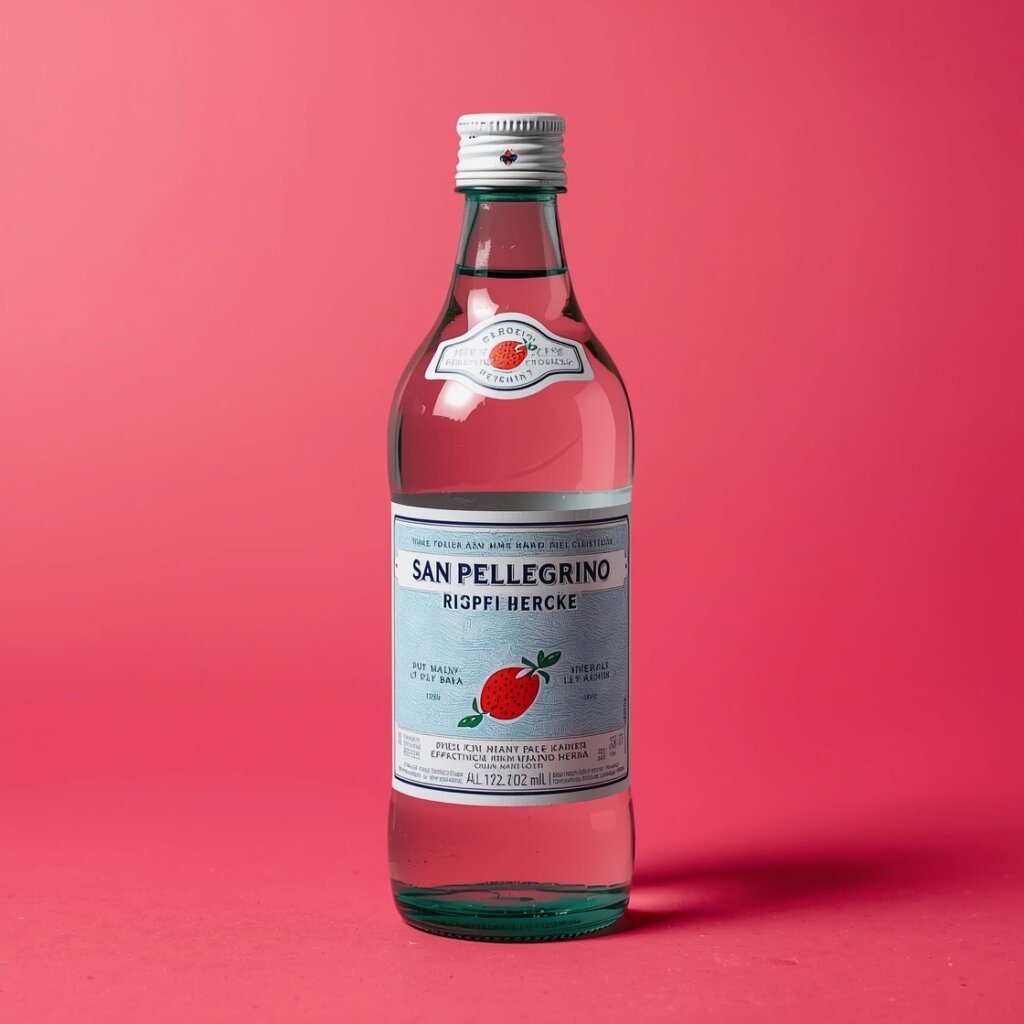
The green glass bottle keeps the taste truest; the plastic version is fine but slightly softer in flavor.
Is San Pellegrino Healthy?
For plain sparkling mineral water, San Pellegrino sits at the healthy end. It has zero calories and sugar, tested very low for PFAS, and its calcium and magnesium contribute modestly to daily mineral intake. The two things worth knowing: it contains moderate sodium (a consideration if you’re on a strict low-sodium diet), and like all carbonated water it’s mildly acidic — fine for teeth in normal amounts, but not something to sip constantly all day.
What’s good
- Second-lowest tested PFAS (0.31 ppt)
- Zero calories and sugar (plain version)
- Meaningful calcium & magnesium
- Clean Italian mineral source
Worth knowing
- Moderate sodium — check if restricting
- Pricier than most sparkling brands
- Mineral-forward taste isn’t for everyone
- Flavored line has added sugar (different product)
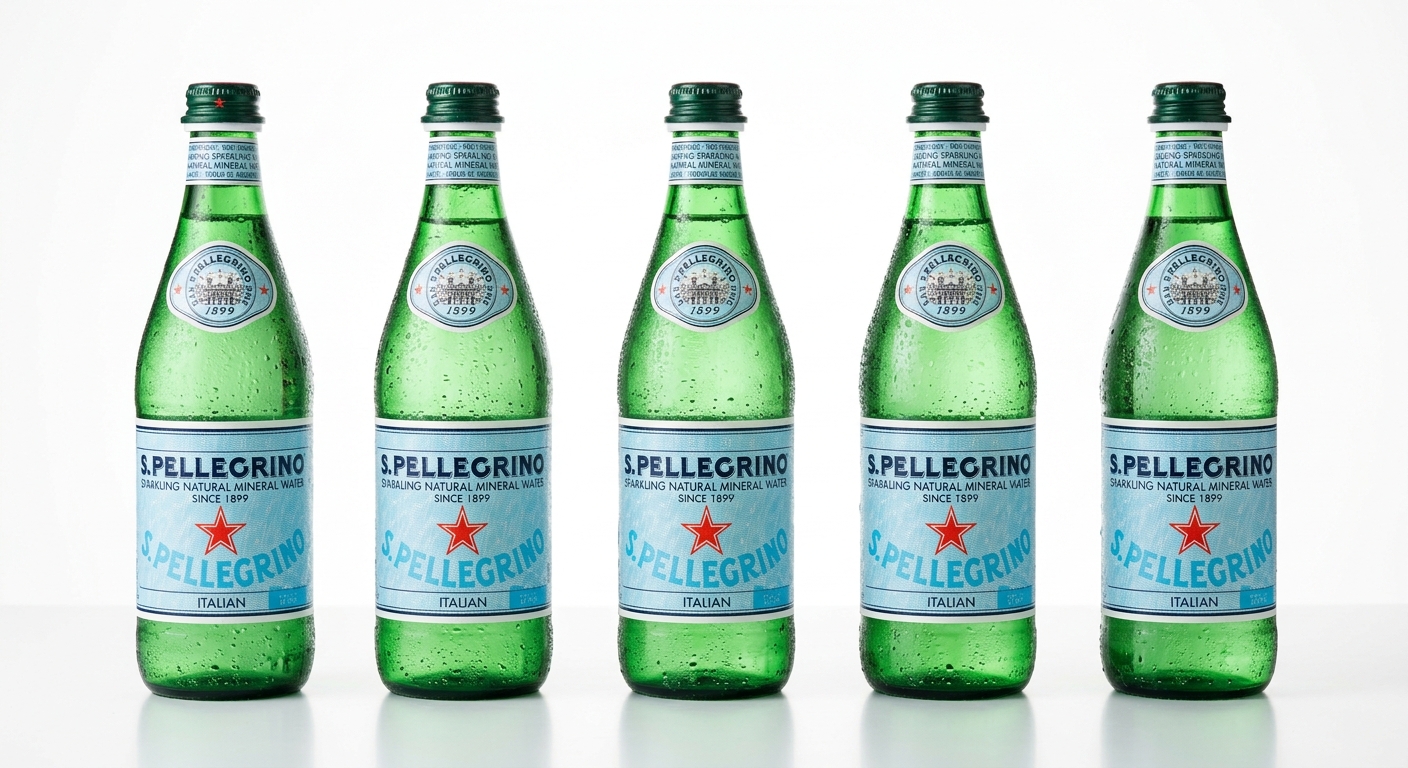 San Pellegrino sparkling mineral water glass bottles” loading=”lazy” style=”max-width:100%;height:auto;border-radius:10px;max-height:260px;object-fit:cover” />
San Pellegrino Sparkling Mineral Water (Glass)
Second-lowest tested PFAS of any bottled water (0.31 ppt). Italian mineral water rich in calcium and magnesium — the classic dining sparkling water in the iconic green glass bottle.
As an Amazon Associate we earn from qualifying purchases.
Frequently Asked Questions
Does San Pellegrino have PFAS?
San Pellegrino tested at 0.31 ppt total PFAS in Consumer Reports’ lab analysis — the second-lowest of any bottled water measured and well below every regulatory and precautionary limit. It’s the lowest-testing natural mineral water in that dataset.
Is San Pellegrino healthy?
Plain San Pellegrino is a healthy choice: zero calories and sugar, very low PFAS, and useful calcium and magnesium. It contains moderate sodium and is mildly acidic like all sparkling water, so it’s best enjoyed in normal amounts rather than sipped constantly.
Is San Pellegrino a mineral water or just sparkling water?
It’s a genuine natural mineral water from San Pellegrino Terme in Italy, high in calcium, magnesium and sulfates, with carbonation added. That mineral content is what gives it its firm, food-friendly taste.
Does San Pellegrino have a lot of sodium?
It has moderate sodium — lower than some heavily mineralized waters but not sodium-free. For most people it’s a non-issue, but those on a strict low-sodium diet should factor it in.
San Pellegrino vs Perrier: which is better?
San Pellegrino tested much lower for PFAS (0.31 vs 1.10 ppt) and has finer, softer carbonation with a more mineral-rich profile. Perrier has sharper, more aggressive bubbles. Choose San Pellegrino for food and minerals, Perrier for a crisper, punchier fizz.
Sources: Consumer Reports bottled water PFAS testing (2020); EPA PFAS drinking water rule (April 2024). Last updated July 2026.
Affiliate disclosure: as an Amazon Associate we earn from qualifying purchases; commissions never affect our assessments.