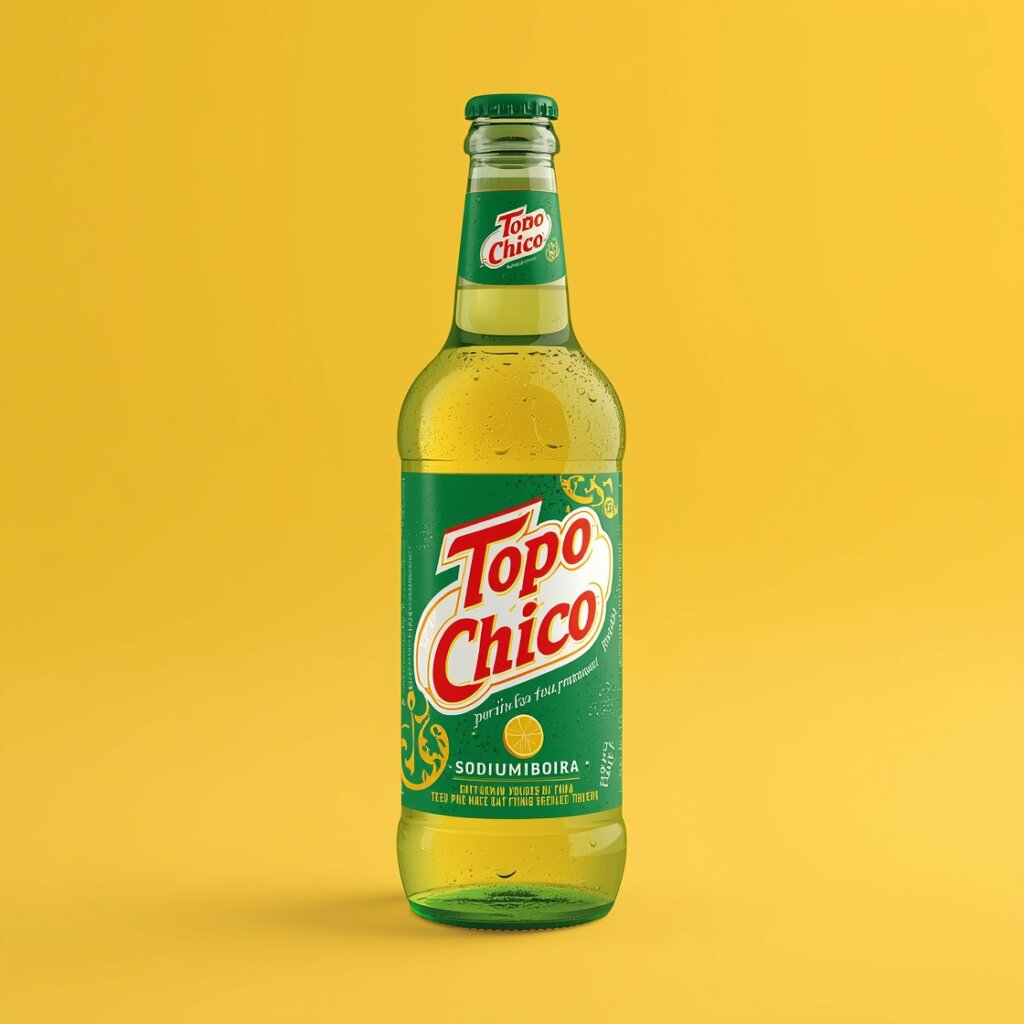
- Topo Chico tested at 9.76 ppt PFAS in 2020 — highest of 47 bottled waters in the Consumer Reports analysis
- Current estimate is ~3.9 ppt after Coca-Cola’s filtration upgrade, below the EPA’s 4 ppt legal limit
- No independent retest has confirmed the improved figure
- ~15mg sodium per 12oz — comparable to other mineral waters and well under any threshold that matters
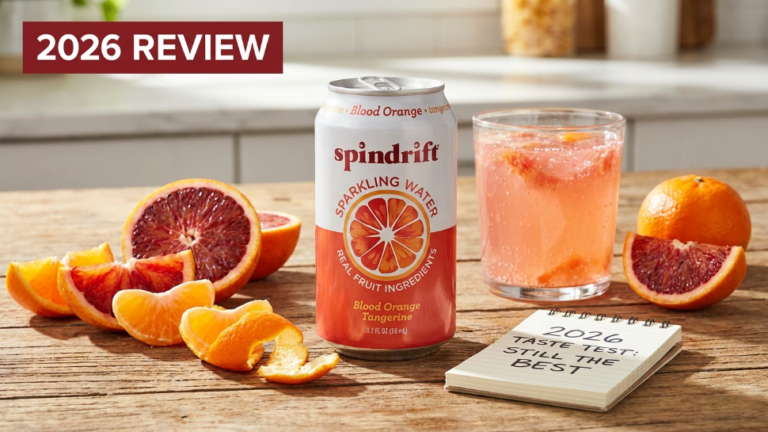
- Spindrift (0.19 ppt) and San Pellegrino (0.31 ppt) tested cleanest
- A certified home filter removes far more PFAS than switching brands
The PFAS Story — What the Testing Actually Found
This is the source of nearly every “is Topo Chico bad for you” search, so it’s worth getting the facts precise rather than relying on headlines.
In late 2020, Consumer Reports tested 47 bottled waters — 35 still and 12 carbonated — for 30 different PFAS compounds. Topo Chico Natural Mineral Water came back with 9.76 ppt total PFAS, the highest reading in the entire study. For context, here is how the tested sparkling waters compared:
| Brand | Total PFAS (ppt) | Above 1 ppt? |
|---|---|---|
| Topo Chico | 9.76 (2020) | Yes — highest tested |
| Polar Natural Seltzer | 6.41 | Yes |
| Bubly Blackberry | 2.24 | Yes |
| Poland Spring Zesty Lime | 1.66 | Yes |
| Canada Dry Lemon Lime | 1.24 | Yes |
| La Croix Natural | 1.16 | Yes |
| Perrier Natural Mineral | 1.10 | Yes |
| San Pellegrino | 0.31 | No |
| Spindrift | 0.19 | No |
| Sparkling Ice Black Raspberry | None detected | No |
What happened next matters as much as the original number. Following the report, Coca-Cola stated it was upgrading Topo Chico’s filtration system. Consumer Reports later retested and published an average of 3.9 ppt. Note that the two figures are not measured on the same basis — 9.76 ppt was a single sample, and 3.9 ppt is an average across a later retest — so the gap between them should not be read as a precisely measured reduction. Our full bottled water PFAS ranking tracks every brand with published data.
The 3 Questions That Actually Decide If Topo Chico Is “Bad”
Rather than a single verdict, the honest answer depends on three separate questions. Work through them in order and you will know where you stand.
One or two bottles a week makes both the PFAS and sodium questions essentially irrelevant. Three or four bottles a day changes the arithmetic on both counts.
Topo Chico is a natural mineral water — it carries calcium, magnesium and bicarbonates that give it its sharp, slightly saline character. Purified seltzers strip all of that out. Neither is healthier; it is a taste decision.
Below the EPA’s 4 ppt legal limit: yes. Below the EWG’s 1 ppt precautionary guideline: no. Both positions are defensible.
Is 3.9 ppt Actually Dangerous?
This depends entirely on which threshold you use, and reasonable people disagree:
- 4 ppt — The EPA’s 2024 legally enforceable limit for PFOA and PFOS individually in drinking water. Topo Chico’s current estimated level sits just under this.
- 5 ppt (single compound) / 10 ppt (multiple) — The International Bottled Water Association’s standard. Topo Chico complies comfortably.
- 1 ppt — The Environmental Working Group’s precautionary guideline. Topo Chico exceeds this, as do most tested sparkling waters including La Croix and Perrier.
It’s also worth noting that in April 2025, the FDA surveyed 197 bottled water products and found zero samples exceeding EPA limits — a reassuring signal for the category broadly.
The practical read, based on how we weigh this data for our own recommendations:
- Occasional drinker (1-3 bottles a week): the PFAS question is unlikely to be meaningful for you.
- Daily drinker (1-2 bottles a day): within the EPA limit, but worth knowing the number is unverified since 2020.
- Heavy drinker (3+ bottles a day): consider Spindrift or San Pellegrino, which tested substantially lower.
- Anyone serious about PFAS: a certified home filter removes far more PFAS than switching brands ever will.
The Sodium Question — Often Overlooked
PFAS gets the headlines, but sodium is the more practically relevant difference for many people. Topo Chico is a natural mineral water, not a purified seltzer — it carries dissolved minerals from its source, including a meaningful amount of sodium.
| Brand | Approx. sodium per serving | Type |
|---|---|---|
| Topo Chico | 15mg / 12oz | Natural mineral |
| San Pellegrino | ~8mg / 250ml | Natural mineral |
| Perrier | ~3mg / 250ml | Natural mineral |
| La Croix | Effectively zero | Purified |
| Bubly | Effectively zero | Purified |
| Waterloo | Zero | Purified |
| AHA | Zero | Purified |
At 15mg per bottle, this is a small number in context. The FDA’s daily sodium guidance is 2,300mg, so one bottle is about 0.65% of it — and even four bottles a day comes to 60mg, under 3%. For comparison, the FDA’s threshold for labelling a product “low sodium” is 140mg per serving; Topo Chico is roughly a tenth of that.
If you are on a physician-directed low-sodium plan and want to eliminate the number entirely, a zero-sodium sparkling water is available — but for most people watching sodium, Topo Chico is not the place that intake is coming from.
Topo Chico vs the Competition: The Most-Searched Comparisons
Topo Chico vs San Pellegrino: Which Is Better?
San Pellegrino wins on PFAS by a wide margin — 0.31 ppt versus Topo Chico’s current ~3.9 ppt. On sodium the two are close: San Pellegrino’s label gives 31.2 mg/L, which works out to roughly 11mg per 355ml, against Topo Chico’s 15mg per 12oz bottle. Neither is a meaningful sodium source. Topo Chico wins on carbonation intensity, which is why bartenders prefer it for cocktails. If you drink it daily and want the cleaner test result, S.Pellegrino is the better choice. Full breakdown in our Topo Chico review.
Topo Chico vs Perrier: Which Tests Better?
Perrier tested at 1.10 ppt in 2020, well under Topo Chico’s original 9.76 ppt and still below its current estimate. Perrier also carries dramatically less sodium (~3mg per 250ml). Topo Chico has a sharper, more mineral-forward taste. On the numbers alone, Perrier is the safer daily pick — see our full Perrier PFAS investigation.
Topo Chico vs La Croix: Mineral vs Purified
These are fundamentally different products. La Croix is purified water with zero sodium and tested at 1.16 ppt; Topo Chico is natural mineral water with 15mg sodium. If you want minerals and bold fizz, Topo Chico. If you want a lighter, more neutral body, La Croix. Our La Croix PFAS investigation covers the testing detail.
Topo Chico vs Spindrift: The Cleanest Option
Spindrift tested lowest of any sparkling water in the 2020 analysis at 0.19 ppt, is zero-sodium, and uses real squeezed fruit rather than “natural flavors.” Topo Chico offers stronger carbonation and mineral character. For a PFAS-conscious daily drinker, Spindrift is the clear winner on data.
Does Topo Chico Damage Your Teeth? A 4-Step Method
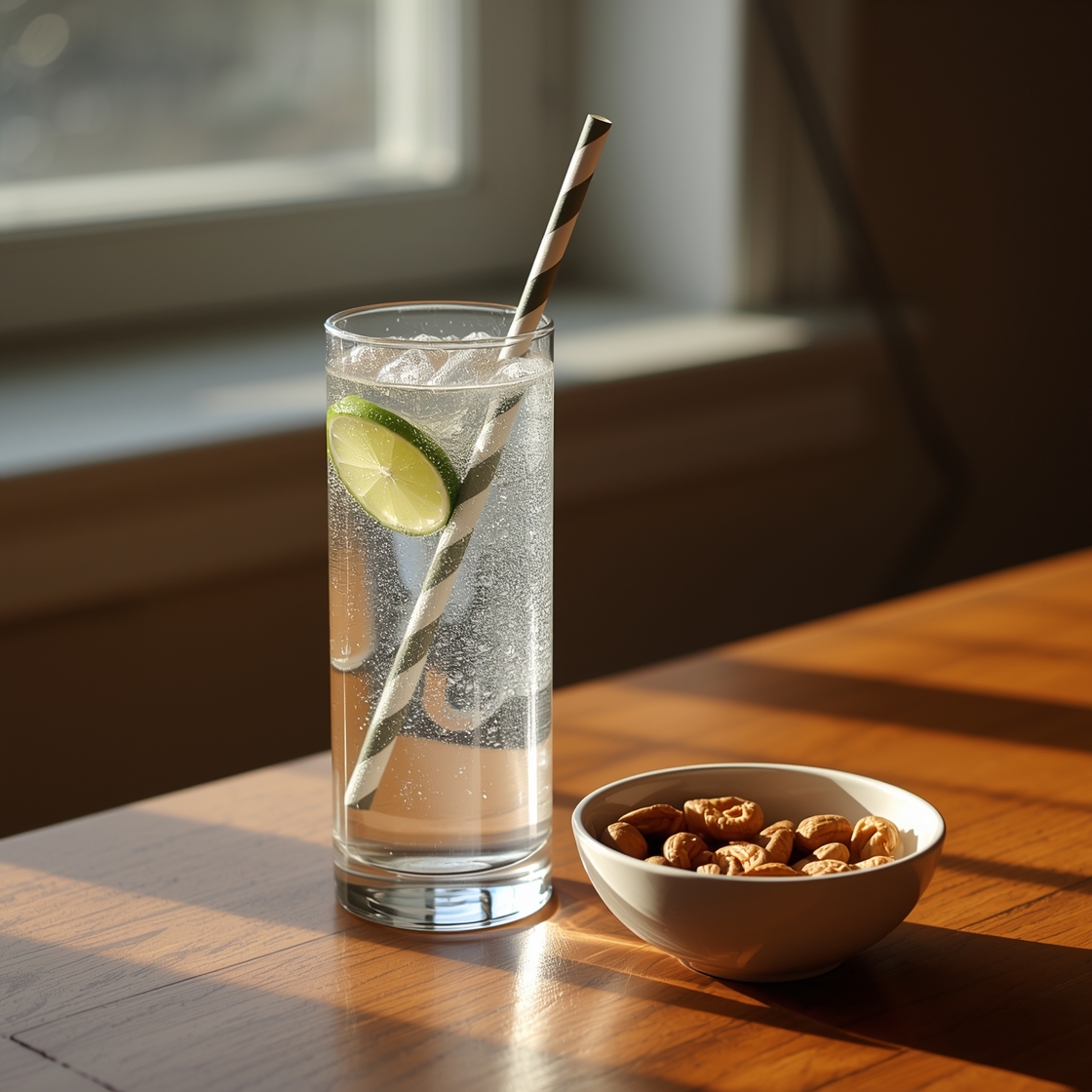
Carbonated water is mildly acidic because dissolved CO2 forms carbonic acid. This applies to every sparkling water, not just Topo Chico. Plain sparkling water is far less erosive than soda or citrus juice, which combine acidity with sugar — a point the American Dental Association makes consistently in its guidance on beverage acidity. Four practical steps:
- Drink it with meals rather than sipping continuously across the day. Saliva production during meals buffers acidity.
- Don’t swish it around your mouth. Prolonged enamel contact is what causes erosion, not the drink itself.
- Choose plain over flavored. Citrus-flavored versions add citric acid, which is more erosive than carbonation alone.
- Wait 30 minutes before brushing. Brushing immediately after any acidic drink can abrade softened enamel.
The Mineral Content — Actually a Benefit
Topo Chico’s minerals aren’t only a downside. Sourced from a spring in Monterrey, Mexico, it contains naturally dissolved minerals that give it its character:
- Calcium — contributes to the crisp mouthfeel and supports bone health in small amounts
- Magnesium — absorbed reasonably well from mineral water, and commonly under-consumed from food
- Bicarbonates — buffer acidity and add to the distinctly sharp, slightly saline taste
- Sodium — the trade-off, at ~15mg per 12oz
These minerals are what make Topo Chico a cocktail-mixer favorite and separate it from neutral seltzers. Nobody should drink it for the minerals — but the mineral content isn’t a health negative for most people. Compare the categories in our guide to mineral vs purified water.
Daily Topo Chico: Pros & Cons
Pros
- Zero sugar, zero calories, zero artificial sweeteners
- Genuine mineral content — calcium, magnesium, bicarbonates
- Current PFAS level below the EPA’s enforceable 4 ppt limit
- Counts fully toward daily fluid intake
- Strong carbonation makes it a satisfying soda replacement
- Glass bottle option avoids plastic entirely
Cons
- PFAS estimate (~3.9 ppt) still above the 1 ppt precautionary guideline
- No published independent retest since Coca-Cola’s filtration upgrade
- More expensive per liter than purified seltzers
- Mildly acidic, like all carbonated water
Who Should Be Cautious
Healthy adults drinking it occasionally or even daily. The PFAS level is below EPA’s enforceable limit and the sodium is modest at normal consumption.
Drink several bottles daily and want to minimize cumulative PFAS, or are pregnant and prefer to minimize any PFAS exposure as a precaution.
Have hypertension, kidney disease, or any condition where sodium and mineral intake are actively managed. This is a general guide, not medical advice.
Where to Buy: Lower-PFAS Alternatives Worth Considering
If the PFAS data pushed you toward switching, these tested substantially lower in the same Consumer Reports analysis. As an Amazon Associate we earn from qualifying purchases; it never affects our rankings.
Spindrift Sparkling Water
Lowest PFAS reading of any sparkling water in the 2020 analysis, made with real squeezed fruit. Zero sodium.
S.Pellegrino (Glass, 24-Pack)
If you want mineral character like Topo Chico but a lower PFAS reading, S.Pellegrino tested at 0.31 ppt with similar food-friendly minerality.
Perrier Sparkling Mineral Water
Roughly 3mg sodium per 250ml and 1.10 ppt PFAS — the mineral water option for anyone specifically watching sodium.
LaCroix Variety Pack
Purified, zero sodium, 1.16 ppt tested. The budget default if minerals aren’t what you’re after.
SodaStream + Filtered Water
Carbonate your own filtered tap water. A certified PFAS filter removes far more than switching brands, and costs a fraction per liter.
Under-Sink RO System
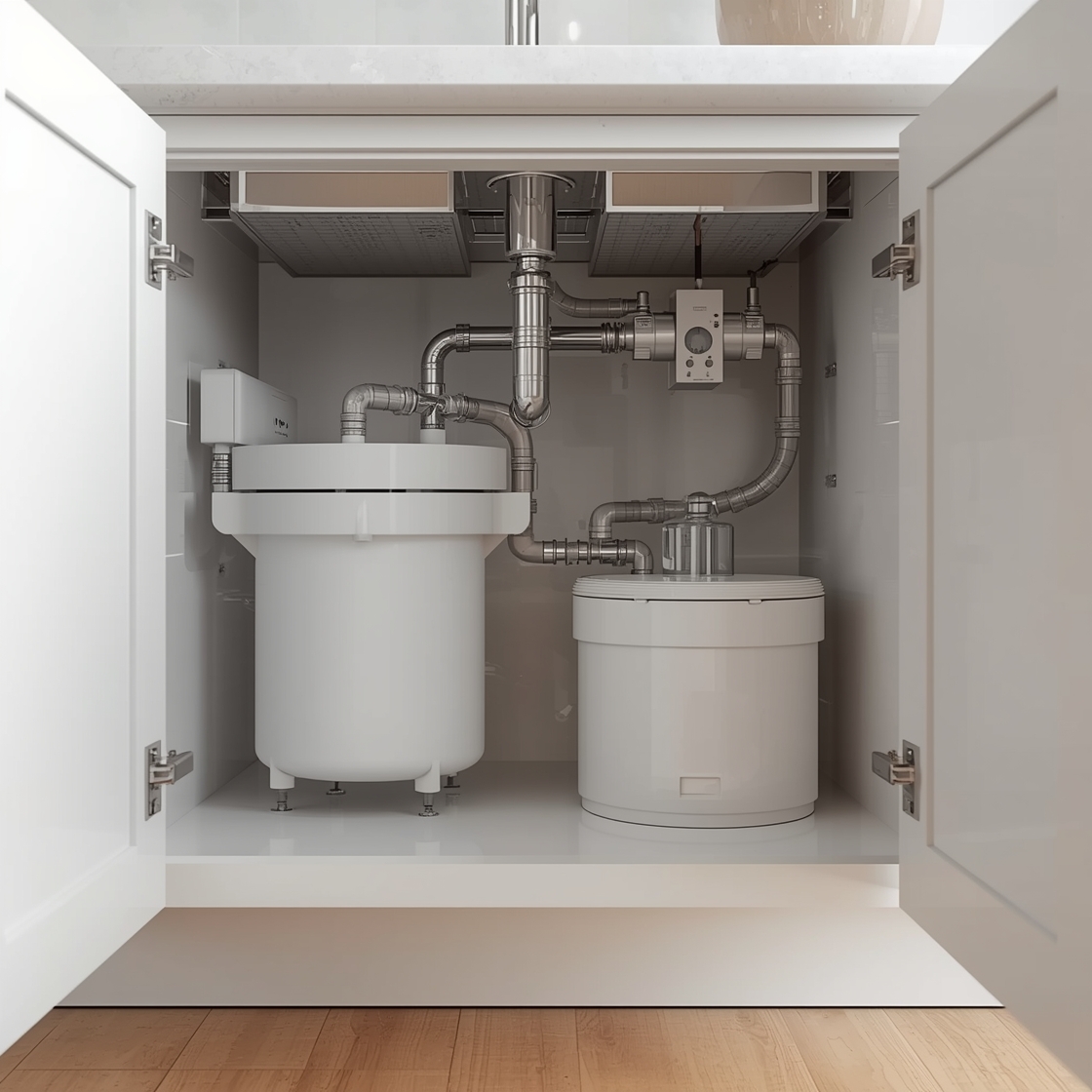
An NSF/ANSI 58 certified reverse osmosis system removes 94-99% of PFAS at roughly $0.05 per liter — far beyond what brand-switching achieves.
Frequently Asked Questions
Is Topo Chico safe to drink every day?
For most healthy adults, yes. Its current estimated PFAS level (~3.9 ppt) sits below the EPA’s 4 ppt enforceable limit, and its 15mg sodium per 12oz is a tenth of the FDA’s low-sodium threshold. Heavy daily drinkers who want to minimise cumulative PFAS may prefer a lower-tested alternative.
How much PFAS does Topo Chico have now?
Approximately 3.9 ppt, down from the 9.76 ppt Consumer Reports measured in 2020, following Coca-Cola’s filtration upgrades. That is below EPA’s 4 ppt limit but above the 1 ppt precautionary threshold favored by some scientists.
Why does Topo Chico have more sodium than La Croix?
Topo Chico is a natural mineral water bottled from a spring in Monterrey, Mexico, so it retains dissolved minerals including sodium. La Croix, Bubly, and Waterloo are purified waters — the treatment process removes essentially all minerals, leaving zero sodium.
Does Topo Chico cause kidney stones?
There is no evidence that Topo Chico causes kidney stones. Adequate fluid intake of any kind generally reduces stone risk. If you have a history of stones or kidney disease, discuss mineral water intake with your doctor, since mineral content is relevant in those cases.
Is Topo Chico worse for you than soda?
No. Topo Chico has zero sugar and zero calories, while soda typically contains 30-40g of sugar per serving. On every conventional health metric, sparkling mineral water is substantially better than sugar-sweetened soda.
Is Topo Chico bad for your teeth?
Plain sparkling water is mildly acidic but far less erosive than soda or citrus juice, which pair acidity with sugar. Drinking it with meals rather than sipping continuously reduces any enamel exposure. Flavored versions with citric acid are slightly more acidic than plain.
Does Topo Chico count toward daily water intake?
Yes. Carbonated water hydrates just as effectively as still water. The carbonation affects mouthfeel and how quickly you drink it, not how your body absorbs the fluid.
Is Topo Chico healthier than San Pellegrino?
On the published data, no. San Pellegrino tested at 0.31 ppt PFAS versus Topo Chico’s current ~3.9 ppt estimate, Their sodium is comparable — roughly 11mg per 355ml for San Pellegrino against 15mg for Topo Chico. Topo Chico’s advantage is stronger carbonation, not health metrics.
Does Topo Chico cause bloating?
Carbonation can cause temporary bloating or gas in some people because you swallow dissolved CO2. This varies individually and is not harmful. Drinking slowly and avoiding a straw reduces it.
Can pregnant women drink Topo Chico?
Plain sparkling water is generally considered fine during pregnancy, and Topo Chico contains no caffeine, sugar, or sweeteners. Some people prefer to minimize any PFAS exposure during pregnancy as a precaution, in which case a lower-tested brand or filtered water is a reasonable choice. Discuss specifics with your doctor.
Is Topo Chico’s high sodium a problem for blood pressure?
No. At 15mg per bottle it is a very small share of the roughly 2,300mg daily limit most guidance uses — about 0.65%. If you are managing hypertension under medical direction, count it like any other sodium source and discuss it with your doctor.
Has Topo Chico been retested for PFAS since 2020?
No independent retest has been widely published since Coca-Cola announced its filtration upgrade. The ~3.9 ppt figure reflects the company’s stated roughly-halved level rather than a new third-party lab result — a genuine limitation worth knowing.
Which sparkling water has the least PFAS?
Spindrift tested lowest at 0.19 ppt, followed by San Pellegrino at 0.31 ppt and Dasani sparkling at 0.37 ppt in Consumer Reports’ 2020 analysis. Sparkling Ice Black Raspberry showed none detected.
Sparkling Water Deep Dives
- Full Topo Chico Review — Taste, Minerals & Value
- Healthiest Sparkling Water for Daily Drinking
- Bottled Water Brands & PFAS — Every Major Brand Ranked
- Low-Sodium Sparkling Water Brands Ranked
- Best Water Filters That Actually Remove PFAS
- La Croix PFAS Testing — Full Investigation
- Perrier PFAS Testing (1.10 ppt)
- Gerolsteiner Review — Minerals, PFAS & Taste
- Poland Spring PFAS Testing (1.66 ppt)
- Spindrift Sparkling Water Review
- Waterloo Sparkling Water Review
- AHA Sparkling Water Review
- Mineral vs Purified Water
- Sparkling vs Carbonated Water
- Best Reverse Osmosis Systems
References & Sources
- Consumer Reports — bottled water PFAS testing (2020), 47 products tested for 30 PFAS compounds
- EPA — PFAS National Primary Drinking Water Regulation (April 2024), 4 ppt limit for PFOA and PFOS
- FDA — bottled water PFAS survey (April 2025), 197 products tested
- Environmental Working Group — 1 ppt precautionary guideline for total PFAS
- International Bottled Water Association — voluntary PFAS standard (5 ppt single / 10 ppt multiple)
- FDA — sodium in your diet, 2,300mg daily guidance
The Bottom Line
Topo Chico is not a health hazard, but it isn’t the cleanest option on the shelf either. Its 2020 PFAS reading of 9.76 ppt was genuinely the worst in a major independent test, and while Coca-Cola’s filtration improvements brought it down to roughly 3.9 ppt — below the EPA’s enforceable limit — that remains higher than most competitors, and no independent retest has confirmed it. Sodium is not the issue it was once made out to be here — at 15mg per bottle it is roughly a tenth of the FDA’s “low sodium” threshold. What remains worth weighing is the PFAS figure if you drink several a day. If you love the taste, keep drinking it. If the numbers bother you, Spindrift and San Pellegrino tested far lower, and filtering your own water at home beats brand-switching by a wide margin.